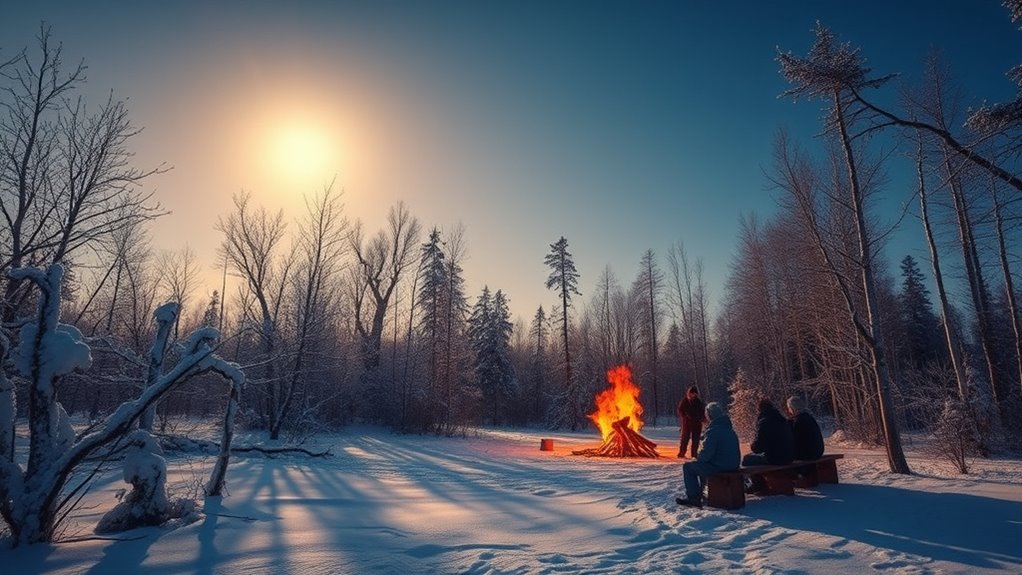

On December 21, 2025, you’ll experience the winter solstice, marking the shortest day of the year when daylight is at its minimum. This celestial event has long inspired celebrations of renewal, hope, and the return of longer, brighter days. Many cultures honor it with rituals like lighting candles, decorating with greenery, or gathering outdoors to reflect. If you’re curious about how different traditions observe this powerful moment, discovering more can deepen your understanding of its significance.

Prime made for students and young adults
- Fast, free delivery for dorm and study essentials
- Prime Video and Amazon Music included
- Member-only deals
Key Takeaways
- The Winter Solstice 2025 occurs on December 21st, marking the year’s shortest day with minimal daylight hours.
- It symbolizes renewal, hope, and the return of longer days, celebrated worldwide with various cultural rituals.
- Ancient traditions honored solar rebirth through festivals like Saturnalia and Yule, emphasizing light overcoming darkness.
- Modern celebrations include lighting candles, decorating with greenery, and outdoor ceremonies to mark the solar event.
- The solstice encourages reflection on seasonal cycles, resilience, and the enduring human connection to cosmic rhythms.
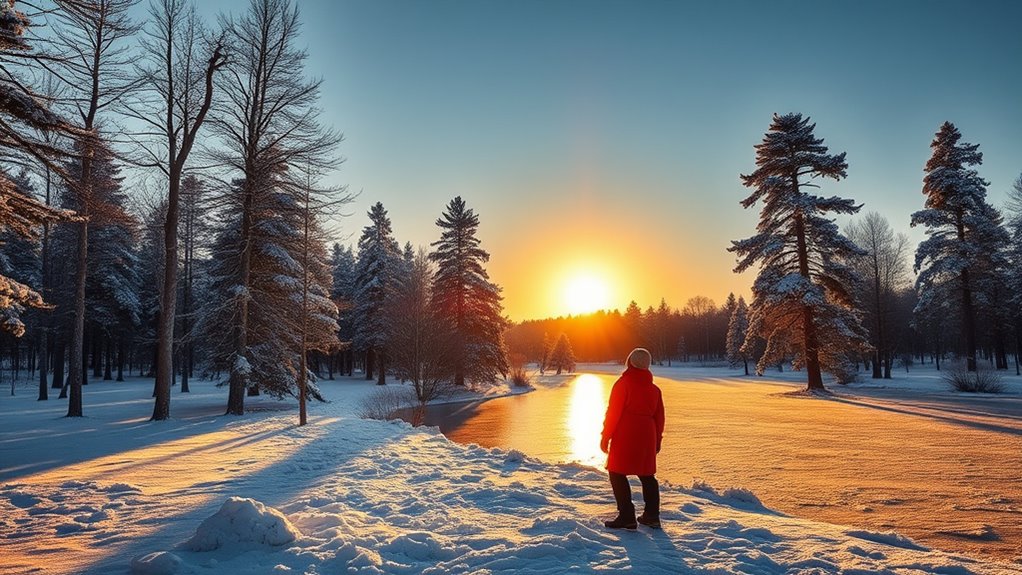
Have you ever wondered when the shortest day of the year occurs? It’s a moment that marks the turning point in the Earth’s orbit—when daylight hours are at their minimum, and the night stretches longest. In 2025, the winter solstice will fall on December 21st, a date that’s celebrated across cultures and traditions worldwide. This event isn’t just about the changing seasons; it’s deeply rooted in solar traditions and cultural celebrations that have persisted for thousands of years. As the sun reaches its lowest point in the sky, many people pause to honor the significance of this celestial event, recognizing it as a symbol of renewal and hope. Throughout history, civilizations have observed the winter solstice with various rituals and festivals. In many ancient cultures, the solstice represented the rebirth of the sun, promising longer days ahead. It’s no coincidence that many holiday traditions—such as the lighting of fires, candles, and lanterns—are connected to this time of year. These solar traditions serve as a reminder that even in the depths of winter, light and warmth will return. For example, the Romans celebrated Saturnalia around this time, a festival dedicated to the god Saturn, involving feasting, gift-giving, and merrymaking to honor the returning sun. Similarly, in Norse tradition, Yule festivities aligned with the solstice, featuring feasts, burning logs, and symbolic rituals to welcome the sun’s return. Today, many people also incorporate solar symbolism into their celebrations, emphasizing the importance of light in overcoming darkness. In contemporary times, many cultures still mark the winter solstice with vibrant celebrations. Some communities gather to observe the shortest day with communal rituals, outdoor ceremonies, or quiet reflection. These cultural celebrations often incorporate elements that pay homage to solar traditions—lighting candles, decorating with greenery, or performing traditional dances. It’s a way to connect with the natural world and honor the cycle of seasons, emphasizing themes of rebirth, resilience, and hope. Modern festivals might also include concerts, art displays, or mindfulness activities that celebrate the return of longer days. No matter how you choose to mark the winter solstice in 2025, it’s a moment that reminds you of the enduring link between humanity and the cosmos. As the shortest day unfolds, you’re participating in a timeless tradition that honors the sun’s journey and the promise of brighter days ahead. It’s a perfect opportunity to reflect on the cycles of nature and to embrace the hope that comes with each returning dawn.
As an affiliate, we earn on qualifying purchases.
Frequently Asked Questions
How Do Different Cultures Celebrate the Winter Solstice?
You can experience how different cultures celebrate the winter solstice through ancient rituals and cultural symbolism. In some traditions, you might light bonfires or candles to symbolize the return of light, while others hold feasts or festivals honoring deities. These celebrations often reflect a universal desire to embrace hope and renewal, using symbols like sun wheels or trees to connect with the cycle of seasons and the enduring power of nature’s rhythms.
What Are the Scientific Reasons for the Solstice’s Occurrence?
The solstice occurs because Earth’s axial tilt causes the Sun’s solar angle to change throughout the year. When your location experiences the shortest day of the year, it’s because the Earth’s tilt is oriented so that the Sun is at its lowest point in the sky. This tilt, combined with Earth’s orbit around the Sun, results in the winter solstice, marking the shortest daylight period and the longest night of the year.
How Does Daylight Duration Change After the Solstice?
After the solstice, daylight length begins to grow like a rising tide, signaling the start of longer days. You’ll notice the seasonal shift as the sun climbs higher, giving you more daylight and brighter evenings. This gradual change continues until the summer solstice, when daylight reaches its peak. Embrace this progression, knowing each day brings you closer to more sunshine and warmth, reversing the darkness of winter.
Are There Any Health Benefits Associated With Winter Solstice Celebrations?
You can experience health benefits from winter solstice celebrations, like boosting your mood and immune system. Celebrating the return of longer days helps combat Seasonal Affective Disorder, reducing feelings of gloom. Engaging in outdoor activities and sunlight exposure during festivities can give your immune system an immunity boost. These traditions encourage mindfulness and social connection, which are essential for emotional well-being and physical health during the darker months.
How Will Climate Change Impact Future Solstice Observations?
Climate change will considerably impact future solstice observations by altering traditional environments and cultural practices. You might notice shifts in seasonal patterns, requiring climate adaptation efforts to preserve celebrations. The environmental impact could lead to less predictable weather, affecting outdoor festivities and natural markers like the position of the sun. To maintain these traditions, communities will need to innovate, ensuring cultural resilience amid changing climate conditions.
Conclusion
As you celebrate the winter solstice of 2025, remember it’s more than just the shortest day—it’s a reminder of nature’s rhythms and your place within them. Embrace the darkness, knowing it’s fleeting, much like a vintage film reel fading into the next scene. This moment invites reflection and hope, urging you to cherish the returning light. So, toast to the season, and look forward to the days ahead, where warmth and new beginnings await.
Fall Picks
fall essentials
As an affiliate, we earn on qualifying purchases.