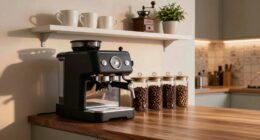
What started as a simple trend has transformed into a lifestyle, inspiring enthusiasts to turn their kitchens into personalized coffee artistry spaces—discover how.
13 Best Educational Science Kits for Adults in 2026
Discover the top educational science kits for adults in 2026. Find the best options for beginners, STEM enthusiasts, and premium experiences in this curated guide.
$965B and Climbing: Anthropic’s Series H Is Really a Compute Bet
Anthropic closes a $65B Series H at a $965B valuation, emphasizing compute capacity over valuation, with strategic investments in memory chipmakers and infrastructure commitments.
When a Content Network Starts Publishing to Itself
A large automated publishing network is unintentionally prioritizing some sites over others, leading to lopsided content distribution and potential SEO issues.
DeepSWE – The benchmark that made the models spread out again
DeepSWE, released May 26, 2026, exposes significant gaps among AI coding models, challenging previous benchmarks that suggested models were nearly indistinguishable.