
Many Orthodox Christians celebrate Christmas on January 7th because they follow the Julian calendar, which is still used by many Orthodox churches instead of the Gregorian calendar most of the world uses. This calendar difference means their Christmas falls about two weeks later. If you want to learn more about why this tradition continues and how it differs from Western celebrations, you’ll find interesting details as you explore further.
Key Takeaways
- Orthodox churches often follow the Julian calendar, which is 13 days behind the Gregorian calendar used for civil dates.
- Orthodox Christmas falls on January 7th in 2026 due to the Julian calendar’s December 25th alignment.
- Many Orthodox communities retain the Julian calendar to preserve traditional liturgical dates and religious customs.
- The calendar difference explains why Orthodox Christmas is celebrated later than Western Christmas on December 25th.
- Celebrating in January reflects longstanding religious traditions rooted in historical calendar systems.
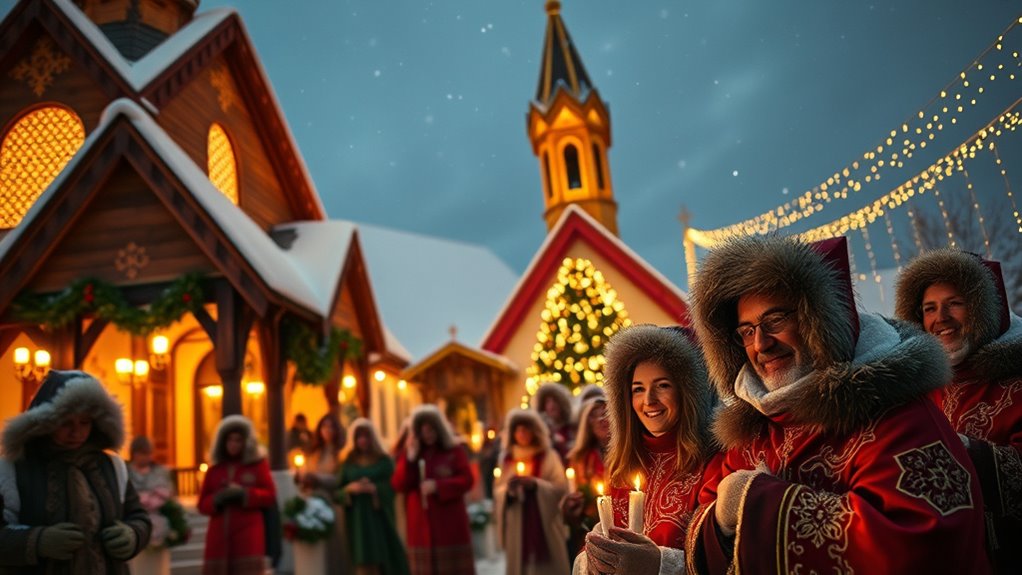
Are you wondering when Orthodox Christmas will be celebrated in 2026? If you’re familiar with the Orthodox Christian tradition, you probably know that most of these communities observe Christmas on January 7th. This date isn’t a coincidence; it’s rooted in the use of the Julian calendar, which many Orthodox churches continue to follow for their liturgical schedules. Unlike the Gregorian calendar, which is used globally for civil purposes, the Julian calendar is slightly behind by about 13 days. As a result, December 25th on the Julian calendar falls on January 7th on the Gregorian calendar, which is what most people recognize as Christmas day. This difference in calendars is central to understanding why many Orthodox Christians celebrate Christmas later than their Western counterparts.
Orthodox Christmas is celebrated on January 7th due to the Julian calendar difference.
The Julian calendar’s origins date back to 45 BCE, and it was widely adopted throughout the Christian world for centuries. However, by the 16th century, its inaccuracies in calculating the solar year led to the development of the Gregorian calendar by Pope Gregory XIII. Despite this, many Orthodox churches, including the Russian, Serbian, and Jerusalem Patriarchates, chose to retain the Julian calendar because of their commitment to religious traditions. They see this adherence as a way to preserve the integrity of their liturgical calendar and uphold centuries-old religious customs that have been passed down through generations. Calendar discrepancies continue to influence how and when these communities celebrate their religious feasts.
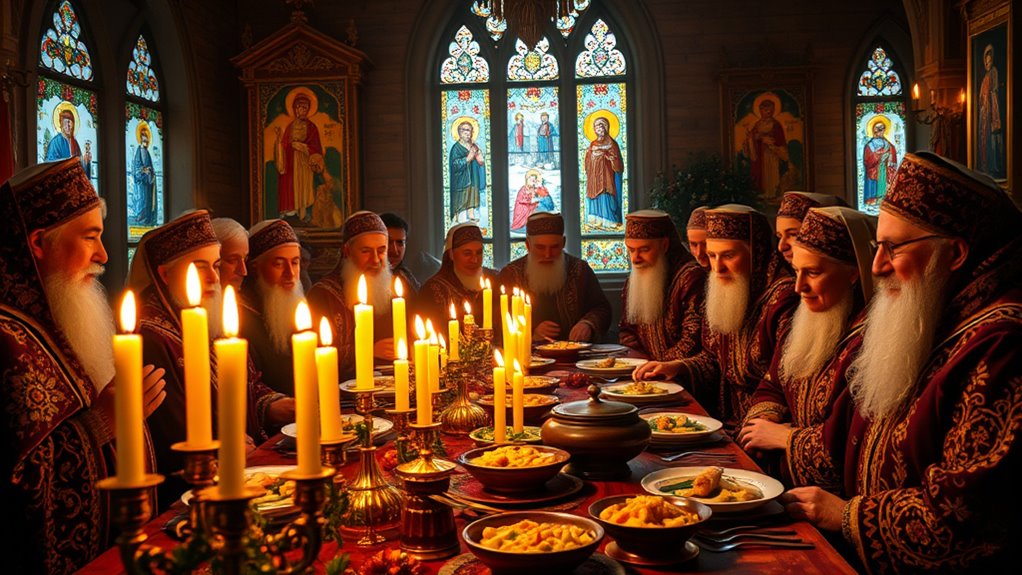
For you, understanding these distinctions offers insight into the rich religious traditions that shape Orthodox Christmas celebrations. While the Western world might be counting down to December 25th, Orthodox communities are preparing for their observances on January 7th. This often means participating in special church services, which feature ancient hymns, prayers, and rituals that emphasize the spiritual significance of Christ’s birth. Many families gather for a festive meal after the midnight liturgy, honoring the tradition that emphasizes community and faith. The celebration also includes unique customs, like the blessing of homes and the giving of small gifts, all rooted in long-standing religious practices.
Knowing the historical and religious reasons behind the date helps you appreciate why Orthodox Christmas remains aligned with these ancient traditions. It’s not just about changing dates; it’s about holding onto a way of marking time that’s deeply intertwined with religious history. Whether you observe the holiday yourself or simply want to understand why others celebrate Christmas on a different day, recognizing the role of the Julian calendar and religious traditions will deepen your understanding of this meaningful holiday.

ZULUF 33 Beeswax Taper Candles Blessed at Holy Sepulchre Jerusalem – 9” Honey Scent Orthodox Church Prayer Candles, Christian Devotional Candles for Liturgy, Easter, Home Altar – 3 Bundles (99 Total)
100% Pure Beeswax Candles from Jerusalem – Handmade and hand-rolled in the Holy Land using natural beeswax with…
As an affiliate, we earn on qualifying purchases.
As an affiliate, we earn on qualifying purchases.
Frequently Asked Questions
How Is Orthodox Christmas Date Determined Annually?
You determine Orthodox Christmas date based on the Julian calendar, which differs from the Gregorian calendar used worldwide. Due to these liturgical differences, Orthodox Christians celebrate Christmas on January 7th, aligning with December 25th on the Julian calendar. Each year, the date shifts slightly in relation to the Gregorian calendar, but it always remains consistent within the Julian system, reflecting traditional liturgical practices.
Do All Orthodox Churches Celebrate Christmas on the Same Day?
No, not all Orthodox churches celebrate Christmas on the same day because of liturgical calendar differences and calendar discrepancies. Some churches follow the Julian calendar, which runs 13 days behind the Gregorian calendar used elsewhere. As a result, you’ll see Orthodox Christians celebrating Christmas on December 25th or January 7th, depending on their church’s adherence to these calendars. These discrepancies reflect how different traditions observe the same holiday uniquely.
What Historical Reasons Led to Different Christmas Dates?
You might think all churches celebrate Christmas on December 25th, but historically, different calendars caused variations. The Julian calendar, used by many Orthodox churches, differs from the Gregorian calendar, adopted in 1582. This shift caused some churches to celebrate Christmas on January 7th. These calendar differences stem from adjustments made to align the calendar year with the solar year, highlighting how history shapes religious traditions today.
How Do Cultural Traditions Vary Across Orthodox Communities?
You’ll notice that cultural diversity shapes how Orthodox communities celebrate Christmas, with customs varying widely. Some communities include unique traditions like special church services, festive meals, or singing carols, reflecting their rich cultural heritage. These celebration customs often differ based on regional history and local influences, making each Orthodox Christmas celebration distinct and meaningful. Embracing these differences highlights the vibrant tapestry of Orthodox Christian traditions worldwide.
Are There Any Recent Changes to Orthodox Christmas Calendar?
Imagine the clock striking midnight, and you see the faint glow of candles flickering. Recent changes to the Orthodox Christmas calendar haven’t happened; the calendar differences remain rooted in tradition, reflecting the religious significance of the Julian calendar. These traditions stay steady, honoring centuries-old practices. While some Orthodox communities celebrate in January, others follow different dates, emphasizing the rich diversity within the faith. The calendar remains a symbol of faith and history.
Hymns of The Church: 12 Piano Arrangements from The Church of Jesus Christ of Latter-day Saints
As an affiliate, we earn on qualifying purchases.
As an affiliate, we earn on qualifying purchases.
Conclusion
As the icy dawn of January unfolds, Orthodox Christmas whispers its ancient song, filling your heart with timeless warmth. While others celebrate in December, you’re part of a sacred dance through history, where traditions shimmer like stars guiding you home. Embrace this unique rhythm, knowing you’re connected to a rich tapestry of faith and culture. Celebrate not just a date, but a legacy that lights your spirit, shining brighter than any calendar ever could.

Brilucky Handmade Wood Greek Christian Orthodox Icon of Virgin Mary, Catholic Icon for Christmas Day Gift (5.1 X 3.5 in)
Package:You will receive 1pc wooden greek orthodox Icons of Virgin Mary.
As an affiliate, we earn on qualifying purchases.
As an affiliate, we earn on qualifying purchases.

Home Blessing Kit Bottles, Cross & Candles from Holy Land Jerusalem
Sacred Contents: Includes 1 bottle of Bethlehem olive oil, 2 Jerusalem holy incense, 3 Jerusalem holy soil, 4…
As an affiliate, we earn on qualifying purchases.
As an affiliate, we earn on qualifying purchases.