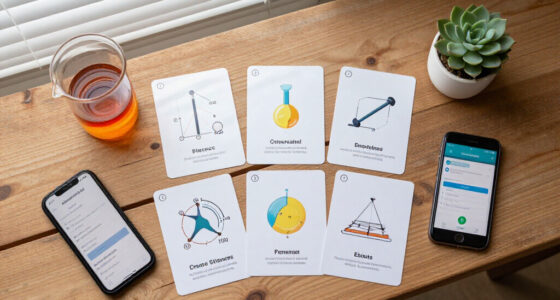

The best science activity kit for most kids is the Doctor Jupiter Ultimate Science Experiments Kit, which balances experiment variety, clear instructions, and independent play for ages 8 and up. Younger children get a better start with the Doctor Jupiter My First Science Kit (Ages 4+), while the National Geographic Earth Science Kit stands out for kids who prefer geology and earth science over classic chemistry reactions. The main tradeoffs in this category come down to experiment count versus experiment quality, single-use consumables versus reusable equipment, and whether your child wants a guided lab experience or an open-ended build project like the VATOS circuit kit or 3D Circuit Puzzle. Some kits wow on day one and fade fast; others keep kids engaged for months. Read on for the full breakdown of all 15 kits and which one fits your child’s age, interests, and attention span.

Prime made for students and young adults
- Fast, free delivery for dorm and study essentials
- Prime Video and Amazon Music included
- Member-only deals
Key Takeaways
- Experiment-count claims are often padded — the UNGLINGA 150-experiment and 220+ experiment kits repeat variations of the same reaction, while the National Geographic sets deliver more genuinely distinct activities despite similar headline numbers.
- Single-build kits like the BeAndge fiber optic lamp and the karaoke machine kit trade variety for a deeper, more rewarding build experience — better for focused kids than for ones who crave novelty.
- Preschoolers need a dedicated kit: the Doctor Jupiter Ages 4+ set is the only option here designed around safe, simple reactions, and chemistry kits rated 8+ are genuinely too complex for younger siblings.
- Tools beat consumables for longevity — the BEBANG and 1000X handheld microscopes outlast any one-time experiment kit and grow with the child, but require more self-directed curiosity to stay in rotation.
- The GobiDex gemstone dig kit is the shortest-lived pick in the lineup (a single dig session) but offers the highest excitement-per-dollar for party gifts and rainy-day surprises.
| Doctor Jupiter Ultimate Science Experiments Kit for Kids Ages 8+ |  | Best Overall | Recommended Age: 8 years and up | Number of Experiments: 135+ | Bonus Experiments: 90+ using household items | VIEW LATEST PRICE | See Our Full Breakdown |
| UNGLINGA 150 Experiments Science Kit for Kids – Chemistry Lab STEM Toys | 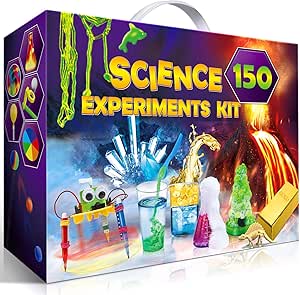 | Best Value Variety Pick | Brand: UNGLINGA | Number of Experiments: 150 | Age Range: 8 years and up | VIEW LATEST PRICE | See Our Full Breakdown |
| BeAndge 7-Pack Fiber Optic Lamp STEM Science Kit for Kids |  | Best for Classrooms and Group Activities | Brand: BeAndge | Model Number: BA1021 | Number of Packs: 7 complete building sets | VIEW LATEST PRICE | See Our Full Breakdown |
| VATOS Space Science Circuit Kit for Kids – 31-Piece Electronics Exploration STEM Kit with 100+ Projects |  | Best for Young Circuit Builders | Pieces: 31 | Projects: 100+ | Recommended Age: 6+ | VIEW LATEST PRICE | See Our Full Breakdown |
| National Geographic Earth Science Kit with 100+ Activities for Kids 8-12 |  | Best for Earth Science Discovery | Brand: Blue Marble (National Geographic) | Model Number: NGMEGAEARTH | Age Range: 8 years and up | VIEW LATEST PRICE | See Our Full Breakdown |
| National Geographic Amazing Chemistry Set – 100+ Science Experiments for Kids Ages 8-12 |  | Best Real-Lab Feel | Brand: Blue Marble (National Geographic) | Age Range: 8 years and up | Experiments: 15 included, 85+ bonus with household items | VIEW LATEST PRICE | See Our Full Breakdown |
| BEBANG Kids Digital Microscope with Detachable Stand – STEM Science Kit |  | Best for Young Explorers | Brand: BEBANG | Magnification: Up to 1000X | Screen: Built-in 4K display | VIEW LATEST PRICE | See Our Full Breakdown |
| National Geographic Science Magic Kit with 100+ Experiments for Kids 8-12 |  | Best for Performers | Brand: Blue Marble (National Geographic) | Age Range: 8 years and up | Included Experiments: 20 magic experiments with materials | VIEW LATEST PRICE | See Our Full Breakdown |
| Doctor Jupiter My First Science Experiments Kit for Kids Ages 4+ |  | Best for Preschoolers | Recommended Age: 4 years and up | Number of Experiments: 50+ | Safety Certification: ASTM F963-17 | VIEW LATEST PRICE | See Our Full Breakdown |
| Stem Projects DIY Karaoke Machine Kit: Build Your Own Bluetooth Speaker & Microphone |  | Best Build-It Project | Brand: choopheme | Age Range: 8-12 years (manufacturer lists 5+) | Educational Objective: STEM / Electronics | VIEW LATEST PRICE | See Our Full Breakdown |
| 1000X Handheld Digital Microscope for Kids with 2.0″ IPS Screen |  | Best for Young Explorers | Magnification: 1000X (optical + digital) | Camera: 2MP with photo/video capture | Screen: 2.0-inch IPS | VIEW LATEST PRICE | See Our Full Breakdown |
| GobiDex 15 Gemstones Dig Kit – Space Science STEM Toy for Kids Ages 6+ |  | Best Paleontology-Style Dig Experience | Brand: GobiDex | Age Range: 6-18 years | Gemstones Included: 15 across 3 dig blocks | VIEW LATEST PRICE | See Our Full Breakdown |
| SMILESSKIDDO Science Kit for Girls – 100+ Experiments STEM Toy, 270 Pieces |  | Best Build-It-Yourself Engineering Pick | Brand: SMILESSKIDDO | Recommended Age: 5-10 years | Number of Experiments: 100+ | VIEW LATEST PRICE | See Our Full Breakdown |
| Science Kit with 220+ Science Lab Experiments for Kids Ages 3-12 |  | Best Value for Experiment Count | Experiments: 220+ | Pieces: 47 | Included Items: Goggles, beakers, test tubes, flasks, funnels | VIEW LATEST PRICE | See Our Full Breakdown |
| 3D Circuit Puzzle STEM Kit with 60 Challenges |  | Best for Spatial and Logic Puzzlers | Brand: VkotaVkoty | Age Range: 8-14 years (listing also cites 16+ manufacturer guidance) | Challenge Cards: 60 | VIEW LATEST PRICE | See Our Full Breakdown |
| science activity kits for kid | Brand | Age Range |
|---|---|---|
| Doctor Jupiter Ultimate Scienc | — | — |
| UNGLINGA 150 Experiments Scien | UNGLINGA | 8 years and up |
| BeAndge 7-Pack Fiber Optic Lam | BeAndge | — |
| VATOS Space Science Circuit Ki | — | — |
| National Geographic Earth Scie | Blue Marble (National Geographic) | 8 years and up |
| National Geographic Amazing Ch | Blue Marble (National Geographic) | 8 years and up |
| BEBANG Kids Digital Microscope | BEBANG | — |
| National Geographic Science Ma | Blue Marble (National Geographic) | 8 years and up |
| Doctor Jupiter My First Scienc | — | — |
| Stem Projects DIY Karaoke Mach | choopheme | 8-12 years (manufacturer lists 5+) |
| 1000X Handheld Digital Microsc | — | 3+ years |
| GobiDex 15 Gemstones Dig Kit | GobiDex | 6-18 years |
| SMILESSKIDDO Science Kit for G | SMILESSKIDDO | — |
| Science Kit with 220+ Science | — | — |
| 3D Circuit Puzzle STEM Kit wit | VkotaVkoty | 8-14 years (listing also cites 16+ manufacturer guidance) |
More Details on Our Top Picks
Doctor Jupiter Ultimate Science Experiments Kit for Kids Ages 8+
This option stands out for sheer breadth: 135+ core experiments plus 90+ bonus activities using household items, which gives it more total runway than even the UNGLINGA 150 Experiments Kit once the extras are counted. The illustrated instruction guide is clear enough that confident 8-year-olds can lead many activities themselves, and the leak-proof chemical bottles genuinely matter — compared with kits like the National Geographic Earth Science Kit, which pours from loose packets, this design keeps leftovers usable across months of weekend experiments. The tradeoff is that chemistry-heavy experiments skew toward adult-supervised fun rather than independent play, and the bonus experiments assume you have a stocked pantry. For a single kit that keeps a curious kid busy for a full year, this pick makes the most sense at the top of the list.
Pros:- 135+ experiments plus 90+ bonus activities delivers exceptional long-term value
- Leak-proof bottles preserve chemicals for repeat use and cut down on mess
- Illustrated step-by-step instructions are genuinely kid-readable
- Wide mix of experiment types keeps interest from fading after a few weekends
Cons:- Bonus experiments depend on having household items on hand
- Younger children in the 8+ range will still need adult supervision for most activities
Best for: Parents who want one long-lasting general science kit that mixes chemistry, physics, and creative experiments
Not ideal for: Households wanting fully independent play — many experiments need an adult nearby, and bonus activities require extra supplies
- Recommended Age:8 years and up
- Number of Experiments:135+
- Bonus Experiments:90+ using household items
- Instructions:Step-by-step illustrated guide
- Packaging:Leak-proof bottles for chemical materials
- Educational Focus:STEM learning and imaginative thinking
Our verdict“The strongest all-around pick for families who want maximum experiment variety in a single gift box.”
UNGLINGA 150 Experiments Science Kit for Kids – Chemistry Lab STEM Toys
Matching the Doctor Jupiter Ultimate Kit nearly experiment-for-experiment, this UNGLINGA set distinguishes itself by including kid-friendly lab tools and safety goggles, which Doctor Jupiter omits — so a child actually feels like a scientist, and eye protection comes standard. The 150 experiments span earth science, chemistry, physics, and surface tension, a broader topical spread than most budget kits at this count. The compromises are real, though: unlike the National Geographic Earth Science Kit, there’s no branded full-color learning guide explaining the science in depth, and the manual has occasional typos and minor quality lapses that can trip up independent readers. Like most kits here, some experiments still send kids hunting for vinegar or baking soda. If your priority is the most experiments per dollar with goggles included, this model is better suited than pricier brand-name rivals.
Pros:- 150 experiments cover multiple science disciplines, not just chemistry
- Safety goggles and lab tools are included in the box
- Illustrated manual makes most experiments approachable without prior knowledge
Cons:- Instructions contain typos and minor quality issues
- Some experiments require sourcing additional household items
Best for: Budget-conscious gift-givers who want maximum experiment count plus basic lab gear like goggles included
Not ideal for: Parents who want polished educational documentation — the instruction manual is functional but rough around the edges
- Brand:UNGLINGA
- Number of Experiments:150
- Age Range:8 years and up
- Educational Objective:Creative skills, STEM learning
- Included Components:Experiment tools, materials, goggles, illustrated manual
- Manufacturer Part Number:HZDZKH038
Our verdict“The smart choice when experiment count and included lab gear matter more than brand polish.”
BeAndge 7-Pack Fiber Optic Lamp STEM Science Kit for Kids
Where every other kit in this roundup is built for one child, this one is built for seven. The 7-pack format means a teacher, scout leader, or birthday-party host can run a single building activity for a whole group without rationing parts — something the VATOS Space Science Circuit Kit, with its one shared component set, simply can’t do. Each child assembles a working fiber optic lamp, learning basic circuits and electronics with a visible, glowing reward at the end, which plays better as a take-home party favor than a consumable chemistry experiment. The scope is narrow compared with the Doctor Jupiter Ultimate Kit: this is one project repeated seven times, not a year of varied experiments. Note that AA batteries aren’t included, so factor in a bulk pack, and kids at the younger end of the 8–13 range may need hands-on adult help with assembly.
Pros:- Seven complete sets make group activities affordable and logistically simple
- Kids learn real circuit basics through hands-on assembly
- Finished lamps double as take-home keepsakes or party favors
- Step-by-step instructions support mostly independent building
Cons:- AA batteries are required but not included in any of the seven sets
- Only one project type, so repeat value is limited after the first build
Best for: Teachers, camp counselors, and parents hosting group events who need identical buildable projects for multiple kids
Not ideal for: Families seeking one child’s long-term science engagement — a single repeated project won’t sustain months of interest
- Brand:BeAndge
- Model Number:BA1021
- Number of Packs:7 complete building sets
- Included Components:Fiber optics, light bulb, screwdriver, instructions, assembly parts
- Batteries Required:Yes (AA, not included)
- Recommended Age:8–13 years
- Educational Objective:Problem solving, STEM, circuits and electronics
Our verdict“Purpose-built for group settings where seven kids each get to build, learn, and take something home.”
VATOS Space Science Circuit Kit for Kids – 31-Piece Electronics Exploration STEM Kit with 100+ Projects
This kit earns its spot by dropping the entry age to 6+ years, two years younger than the chemistry-focused Doctor Jupiter and UNGLINGA sets, and by removing every barrier to building: components snap together without tools or soldering. Compared with the BeAndge Fiber Optic 7-Pack, which teaches one circuit project, the VATOS set walks kids through 100+ projects of escalating difficulty — rocket launcher, light-up astronaut, spinning radar — so the learning curve actually grows with the child. The space theme gives the electronics a narrative that keeps reluctant builders engaged. The tradeoffs are durability and depth: the plastic components won’t survive rough handling, and it teaches circuit concepts without any chemistry or earth science variety. Younger six-year-olds will still need an adult nearby for the trickier builds.
Pros:- Accepts kids as young as 6, lower than most kits in this category
- 100+ projects range from easy to advanced for lasting play value
- Snap-together design means no tools, soldering, or complicated wiring
- Low-voltage, child-safe ABS construction with rounded edges
Cons:- Plastic components may not withstand rough treatment
- Younger children still need adult supervision for more complex projects
Best for: Parents of 6- to 8-year-olds who want an electronics-focused kit that scales from easy to challenging builds
Not ideal for: Rough-and-tumble households — the plastic parts can crack under careless handling, and kids wanting chemistry variety should look elsewhere
- Pieces:31
- Projects:100+
- Recommended Age:6+
- Material:Child-safe ABS, low-voltage design
- Assembly:Snap-together, no tools or soldering
- Includes:Astronaut, rocket, radar, blower, LEDs, base plates, wires, switches, illustrated guide
- Theme:Space science
Our verdict“The best entry point for younger kids who want hands-on electronics without safety or complexity headaches.”
National Geographic Earth Science Kit with 100+ Activities for Kids 8-12
Compared with the generalist Doctor Jupiter Ultimate Kit, this set goes deep instead of wide: every one of its 100+ activities is earth science-focused, from dueling water tornadoes and an erupting volcano to crystal growing and two geologic dig kits kids can excavate like paleontologists. The standout difference is the full-color Learning Guide — where the UNGLINGA manual sticks to how-to steps, this one explains the actual science behind each activity, which matters if the goal is understanding rather than just spectacle. It also carries the credibility of an award-winning brand with U.S.-based support. The drawbacks mirror the category: some activities need extra household materials, and younger kids will want supervision for the messier experiments. For a child fascinated by rocks, volcanoes, and weather, nothing else in this lineup matches the thematic depth.
Pros:- 100+ activities all themed around earth science for deep topical focus
- Full-color Learning Guide explains the science, not just the steps
- Includes standout experiences like crystal growing and two dig-brick excavation kits
- Backed by an award-winning brand with U.S.-based customer support
Cons:- Some experiments require additional household materials
- Adult supervision recommended for younger children during messier activities
Best for: Kids ages 8–12 who are specifically drawn to geology, volcanoes, and earth science and want to learn the why behind each activity
Not ideal for: Kids who want chemistry flash or electronics builds — this kit stays firmly in earth science territory
- Brand:Blue Marble (National Geographic)
- Model Number:NGMEGAEARTH
- Age Range:8 years and up
- Educational Objective:STEM / Earth Science
- Activities:100+ experiments and activities
- Highlights:Crystal growing, volcano, rock collection, dig kits, water tornadoes
- Learning Materials:Full-color Learning Guide
- Manufacturer:JMW Sales, Inc.
Our verdict“The clear pick for young earth scientists who want themed depth and real educational context, not just noisy experiments.”
National Geographic Amazing Chemistry Set – 100+ Science Experiments for Kids Ages 8-12
This option stands out for giving kids actual lab equipment — test tubes, beakers, and pipettes rather than toy stand-ins — which makes it feel closer to a genuine chemistry experience than most kits in this roundup. The 15 included experiments lean toward the flashy side: color-changing solutions, glowing test tubes, a crystal tree, and a bouncy ball kids make themselves. Compared with the Doctor Jupiter My First Science Kit, this one targets an older crowd (8+) and expects more careful measuring and cleanup. The tradeoff is that the box only supplies materials for 15 of the 100+ promised experiments — the other 85 come from a bonus guide that assumes you’ll raid your pantry. That’s a fair deal for motivated families, but anyone expecting 100 boxed experiments will be disappointed.
Pros:- Real scientific tools (test tubes, beakers, pipettes) that can be reused after the experiments end
- 85 bonus experiments extend the kit well beyond the initial 15
- Award-winning brand with U.S.-based customer support
- Spectacular marquee experiments like crystal growing and glowing reactions
Cons:- Kit contains materials for only 15 experiments despite the 100+ headline
- Bonus experiments require sourcing household items
- Several activities need adult supervision
Best for: Kids ages 8-12 who want authentic lab tools and parents happy to supply household ingredients for bonus experiments
Not ideal for: Families wanting a fully self-contained kit — only 15 experiments’ materials are in the box, and the rest require pantry staples
- Brand:Blue Marble (National Geographic)
- Age Range:8 years and up
- Experiments:15 included, 85+ bonus with household items
- Educational Objective:STEM / Chemistry
- Model Number:NGMEGACHEMAR
- Included Components:Chemistry kit with test tubes, beakers, pipettes, crystal growing materials
Our verdict“This pick makes the most sense for families who value genuine lab equipment and don’t mind supplementing with household supplies.”
BEBANG Kids Digital Microscope with Detachable Stand – STEM Science Kit
Most kits in this roundup are about running experiments indoors; this one flips the script by getting kids outside collecting specimens. The built-in 4K screen means no phone or computer tether — a real advantage over the 1000X Handheld Digital Microscope with 2.0″ IPS Screen, since younger kids can explore independently. Three modes (handheld, slide stand, bug viewer) give it unusual versatility for the price of one device. Compared with the National Geographic Chemistry Set, this is less about following instructions and more about open-ended discovery, which suits curious kids who chafe at step-by-step activities. The tradeoffs are real: the ~200-photo internal storage fills quickly, and the memory card needed for video recording isn’t included, so budget for one.
Pros:- Up to 1000X magnification with a built-in 4K screen, no phone or computer required
- Three exploration modes: handheld, slide stand, and bug viewer
- Complete accessory bundle with 10 prepared slides, tweezers, and collection tools
- Portable, rechargeable design suited to travel and outdoor use
Cons:- Memory card not included, and it’s needed for video recording
- Built-in storage caps out around 200 photos
Best for: Curious kids ages 6-12 who prefer exploring bugs, leaves, and slides over scripted experiments, including on camping trips or in classrooms
Not ideal for: Families wanting a chemistry-style experiment kit with guided activities — this is an observation tool, not an experiment set
- Brand:BEBANG
- Magnification:Up to 1000X
- Screen:Built-in 4K display
- Recommended Age:6-12 years
- Photo Storage:~200 photos built-in
- Memory Card:Not included (optional for video)
- Accessories:10 prepared slides, 5 blank slides, tweezers, bug viewer, collection box, petri dish, charging cable
- Warranty:1 year
Our verdict“This model is better suited to self-directed explorers who want to examine the world around them rather than follow experiment cards.”
National Geographic Science Magic Kit with 100+ Experiments for Kids 8-12
Where the National Geographic Chemistry Set plays it straight, this sibling kit wraps the same brand’s STEM content in a magic-show format — kids learn the science, then perform it for an audience. That performance angle is the whole point: it’s built for children who love showing off what they’ve learned, and the Toy Association recognition gives parents some confidence in the execution. Only 20 tricks come with materials, though, so the ratio of included-to-bonus activities is even slimmer than the chemistry set’s 15-plus-85 structure, and the 85+ bonus booklet again leans on household items. Compared with the Doctor Jupiter My First Science Kit, it demands more presentation confidence and reading ability, which is exactly why the 8+ rating matters here — younger kids will struggle to sell the trick even if they understand the science.
Pros:- Combines magic performance with genuine chemistry concepts, a rare motivational hook
- Award-winning product recognized by the Toy Association
- 85+ bonus experiments extend value well past the 20 boxed tricks
- Same trusted brand family as the National Geographic chemistry and earth science kits
Cons:- Materials included for only 20 of the 100+ advertised experiments
- Chemistry-based tricks require adult supervision
- 8+ age floor excludes younger children in mixed-age households
Best for: Outgoing kids ages 8-12 who love performing for family and friends and learn best when science has a showmanship payoff
Not ideal for: Shy kids or younger siblings under 8 — the tricks require presentation skills and reading that toddlers and early readers won’t have
- Brand:Blue Marble (National Geographic)
- Age Range:8 years and up
- Included Experiments:20 magic experiments with materials
- Bonus Content:Booklet with 85+ additional experiments
- Model Number:NGMEGAMAGIC
- Manufacturer:JMW Sales, Inc.
Our verdict“The right call for a kid who wants an audience — skip it if your child prefers quiet solo experiments.”
Doctor Jupiter My First Science Experiments Kit for Kids Ages 4+
Most kits in this roundup start at 6 or 8; this one opens the door at age 4, and its design choices back that up. The heavily illustrated, step-by-step manuals are written for a parent-and-child team rather than a solo reader, and the experiment mix — oobleck, underwater volcanoes, perfumes, dinosaur squishies — favors tactile mess over precision. Compared with the National Geographic Science Magic Kit, the activities are shorter, sillier, and don’t require performance or reading skills. It also carries ASTM F963-17 certification and a full money-back guarantee, which lowers the risk for a first STEM purchase. The honest tradeoff: this is a supervised kit, full stop. A four-year-old can’t run these alone, and an eight-year-old who already handles the UNGLINGA 150 Experiments Kit independently will find these activities too simple.
Pros:- Genuinely accessible starting at age 4, one of the youngest entry points in this roundup
- 50+ hands-on, screen-free experiments with strong kid appeal
- Illustrated step-by-step instructions a non-scientist parent can follow
- ASTM F963-17 safety certification and 100% money-back guarantee
Cons:- Requires consistent adult supervision and participation
- Activities are too simple for older siblings
Best for: Parents of ages 4-7 who want a gentle, screen-free introduction to science and are willing to work alongside their child
Not ideal for: Kids 8 and up — the experiments will feel babyish compared with chemistry or circuit kits designed for their age group
- Recommended Age:4 years and up
- Number of Experiments:50+
- Safety Certification:ASTM F963-17
- Includes:Experiment materials, premium equipment, illustrated instruction manuals
- Guarantee:100% money-back satisfaction guarantee
- Educational Objective:STEM / Early science
Our verdict“The clear first-science-kit choice for preschool families; everyone older should look up the age ladder.”
Stem Projects DIY Karaoke Machine Kit: Build Your Own Bluetooth Speaker & Microphone
Instead of consumable experiments that fizzle out in a weekend, this kit produces a durable end product — a working Bluetooth speaker and wireless microphone the family can actually use. That makes it a different animal from everything else here: the National Geographic Chemistry Set delivers volume of activities, while this delivers one deep build with a lasting payoff. The electronics-assembly angle also makes it a closer cousin to the VATOS Space Science Circuit Kit, but with a goal a kid actually cares about after the lesson ends. Assembly is genuinely approachable with clear instructions, though you’ll need your own Phillips screwdriver, and kids at the young end of the 8-12 range may hit frustrating steps that require a parent’s hands. One build also means one afternoon of engagement — there’s little replay value once it’s done.
Pros:- Ends with a functional Bluetooth speaker and microphone kids can keep using
- Teaches real electronics assembly, not just following a recipe
- Clear instructions make it a strong parent-child bonding project
- Portable, non-toxic construction with no sharp raw edges
Cons:- Requires a Phillips screwdriver that isn’t included
- Assembly can frustrate younger kids in the recommended range
- Single-build design offers little repeat engagement after completion
Best for: Hands-on kids ages 8-12 who like building things and families who want a STEM project that ends in a usable gadget
Not ideal for: Kids who want many repeated experiments — this is a single-build project with limited replay value once assembled
- Brand:choopheme
- Age Range:8-12 years (manufacturer lists 5+)
- Educational Objective:STEM / Electronics
- Included Components:Building kit, wireless microphones
- Material:Non-toxic, sturdy, durable
- Model Number:YY-001
- Tools Required:Phillips screwdriver (not included)
Our verdict“This pick makes the most sense for a builder who wants one satisfying project with a keepsake result, not a box of 100 quick experiments.”
1000X Handheld Digital Microscope for Kids with 2.0″ IPS Screen
Most science kits in this roundup are single-session activities, but this handheld digital microscope is a tool a child can use for years. The 1000X magnification and built-in 2MP camera let kids photograph and record what they find outdoors — something the BEBANG Kids Digital Microscope counters with a detachable stand for steadier tabletop viewing. Here, the 200g weight and lanyard make this the pick for backyard expeditions rather than lab-style slide work. The 8 adjustable LEDs with anti-shake design genuinely matter at high magnification, where dim light ruins the view. The tradeoffs: 32MB of storage fills fast, the two-hour battery won’t survive a long outing, and manual focus takes practice for the youngest users. Compared with dig kits like the GobiDex 15 Gemstones Dig Kit, there’s no finite content to finish — but also no structured curriculum, so parents drive the learning.
Pros:- 1000X magnification with a real 2MP camera for detailed capture
- Lightweight 200g design with CE/FCC/CPC safety certifications for ages 3+
- Photos and videos export to Windows and Mac via USB-C
- 8 adjustable LEDs with anti-shake design keep images clear at high zoom
Cons:- 32MB internal storage caps saved images and videos quickly
- Roughly 2 hours of battery per charge limits longer sessions
- Manual focus frustrates very young children without adult help
Best for: Parents of curious kids aged 3-8 who want an open-ended observation tool that gets them outside instead of another one-and-done craft kit
Not ideal for: Families wanting structured, curriculum-style experiments — this is freeform exploration with no guided lessons or project manual
- Magnification:1000X (optical + digital)
- Camera:2MP with photo/video capture
- Screen:2.0-inch IPS
- Weight:200g
- Battery:600mAh (approx. 2 hours)
- Storage:32MB (200+ photos or AVI videos)
- Age Range:3+ years
- Compatibility:Windows XP-11, Mac 11.0+
Our verdict“This makes the most sense for families who want a durable, pocket-sized observation device that outlasts any single activity kit, provided they accept short battery life and limited storage.”
GobiDex 15 Gemstones Dig Kit – Space Science STEM Toy for Kids Ages 6+
Where chemistry-focused options like the National Geographic Amazing Chemistry Set deliver volume, this kit delivers intensity: one immersive, multi-session excavation with a clear payoff — 15 real gemstones pulled from a moon-like plaster block. The included hammer, chisel, brush, goggles, and magnifying glass make it feel like genuine fieldwork rather than a staged craft, and the tool set is more convincing than what typically ships with dig kits. It also works well as a group activity, unlike single-child microscope picks such as the BMDSAE handheld model. The honest tradeoffs: excavation is messy by design, so plan for a tray, newspaper, or outdoor table, and once the gems are out, the kit is finished. Compared with the 220+ experiment lab kit elsewhere in this guide, the content is finite — but the kept gemstones give it lasting display value.
Pros:- Professional-style tool set including hammer, chisel, brush, and goggles
- 15 real gemstones to excavate and keep as a collection
- Works well as a shared sibling or party activity
- Strong blend of geology and space themes for STEM learning
Cons:- Plaster debris creates a noticeable mess during digging
- Small parts and gemstones pose choking risks for younger siblings
- Content is finite — no repeat play once all stones are uncovered
Best for: Parents and gift-givers seeking a focused, satisfying excavation project for kids aged 6-10 who love rocks, space, or hands-on discovery
Not ideal for: Households that hate cleanup — plaster dust gets everywhere — or buyers wanting long-term repeatable experiments
- Brand:GobiDex
- Age Range:6-18 years
- Gemstones Included:15 across 3 dig blocks
- Tools:Hammer, chisel, brush, goggles, magnifying glass
- Theme:Space, Science, STEM
- Dimensions:8.8 x 4.8 x 3.0 inches
Our verdict“A great fit for kids who want the tactile thrill of a real dig with keepsake results, as long as parents accept the dust and the one-time nature of the activity.”
SMILESSKIDDO Science Kit for Girls – 100+ Experiments STEM Toy, 270 Pieces
Unlike the chemistry-heavy kits in this roundup — the UNGLINGA 150 Experiments Science Kit or the National Geographic Amazing Chemistry Set — this option leans toward engineering and construction. Its 270 pieces build into working machines: a vacuum cleaner toy, a mechanical butterfly, a graffiti robot. That’s a different kind of learning outcome — mechanical reasoning over chemical reactions — and closer in spirit to the Stem Projects DIY Karaoke Machine Kit, though with far more variety at 100+ experiments. The fully illustrated manual supports independent play for kids in the middle of the 5-10 range, which parents juggling work will appreciate. The realistic downsides: younger kids near five will need supervision around small parts, and children closer to ten may burn through some projects quickly, since several skew simple. If your child prefers mixing potions to assembling gadgets, the chemistry sets above are the better route.
Pros:- 270 pieces and 100+ experiments deliver unusual variety for a build-focused kit
- Projects result in real working machines, not disposable one-offs
- Fully illustrated step-by-step manual enables independent play
- Develops engineering, logic, and creative skills simultaneously
Cons:- Small parts require adult supervision for children at the younger end
- Some experiments are too simple for kids approaching age 10
Best for: Families with kids aged 5-9 who prefer building working machines and gadgets over classic chemistry experiments
Not ideal for: Kids near age 10 with strong building skills — many projects will feel too simple and be finished fast
- Brand:SMILESSKIDDO
- Recommended Age:5-10 years
- Number of Experiments:100+
- Components:270 pieces
- Projects Include:Vacuum cleaner toy, mechanical butterfly, graffiti robot
- Educational Focus:STEM, critical thinking, problem solving, creative skills
Our verdict“The strongest choice here for hands-on builders who want gadgets that actually work, provided the child is comfortably within the 5-9 sweet spot.”
Science Kit with 220+ Science Lab Experiments for Kids Ages 3-12
This kit’s pitch is simple: 220+ experiments from a 47-piece set of real lab equipment — goggles, beakers, test tubes, flasks, and funnels. That’s more headline experiments than the UNGLINGA 150 Experiments kit or the National Geographic Earth Science Kit, and the manual explains the scientific principle behind each activity, moving from simple to challenging so the kit grows with the child. Compared with the SMILESSKIDDO 100+ Experiments kit, the focus here is classic kitchen-table chemistry: eruptions, rainbow rain, fountains. The wide 3-12 age range is both a strength and a stretch — a three-year-old needs heavy supervision while a twelve-year-old may find early experiments elementary. Also note that common materials like oil and water aren’t included, so expect repeat trips to the pantry. For sheer experiments-per-dollar against every other chemistry option in this guide, though, this stands out.
Pros:- 220+ experiments offer more variety than comparable chemistry kits
- Real lab equipment including goggles, beakers, test tubes, and flasks
- Manual explains both steps and the science behind each experiment
- Difficulty ramps from simple to challenging to grow with the child
Cons:- Common materials such as oil and water are not included
- The 3-12 age span is optimistic — young kids need constant supervision, older kids may outgrow early activities
Best for: Budget-conscious parents who want maximum experiment variety and reusable lab tools for kids roughly 4-10
Not ideal for: Households wanting a fully self-contained kit — many experiments still require pantry staples like oil and water
- Experiments:220+
- Pieces:47
- Included Items:Goggles, beakers, test tubes, flasks, funnels
- Not Included:Oil, water, and other common household materials
- Recommended Age:3-12 years
- Type:DIY STEM Educational Science Kit
Our verdict“The go-to pick when experiment count and reusable lab gear matter most, as long as buyers expect to supply household ingredients themselves.”
3D Circuit Puzzle STEM Kit with 60 Challenges
Most electronics kits in this roundup, like the VATOS Space Science Circuit Kit, are flat boards where kids snap components in sequence. This one builds upward — up to three stacked layers — turning circuit building into a genuine spatial puzzle. The 60 progressive challenge cards give it a structure closer to a logic game than a science kit, while the free-build mode leaves room for open-ended design, a combination none of the other electronics picks here offer. Its eight modules provide lights, sound, mist, and motion feedback, so successful circuits feel rewarding. The caveats are real, though: the listing contains conflicting age guidance, including a manufacturer recommendation as high as 16, so treat the 8-14 label with caution and expect younger kids to need help. Some advertised effects also depend entirely on correct connections, which can frustrate impatient builders. For persistent puzzle-lovers, that friction is the point.
Pros:- Three-dimensional stacking builds spatial reasoning, not just wiring sequence
- 60 progressive challenges plus a free-build creation mode
- Eight interactive modules deliver light, sound, mist, and motion feedback
- Sealed ABS components stand up to repeated assembly and disassembly
Cons:- Conflicting age recommendations in product materials, including a 16+ manufacturer note, create uncertainty
- Advertised effects only appear when circuits are correctly completed, which can frustrate beginners
Best for: Kids aged 9-14 who love logic puzzles and spatial challenges more than mixing chemicals or digging for gems
- Brand:VkotaVkoty
- Age Range:8-14 years (listing also cites 16+ manufacturer guidance)
- Challenge Cards:60
- Functional Modules:8 (lights, sound, mist, motion)
- Stacking Layers:Up to 3
- Modes:Puzzle Mode and Build Mode
- Material:ABS
Our verdict“The clear pick for older kids who think in puzzles and want electronics that reward persistence, but verify the age fit before buying given the muddled guidance.”

How We Picked
I evaluated each kit against four buyer-facing criteria: real experiment variety (how many genuinely different activities, not repackaged versions of the same reaction), age-appropriate independence (whether an 8-year-old could follow the instructions without constant adult help), longevity (consumable one-and-done chemistry versus reusable equipment and rebuildable projects), and instruction quality, which turned out to separate the premium National Geographic sets from the bulk experiment kits more than any ingredient list did.
Ranking also reflected who each kit is actually for. A brilliant single-build project like the karaoke machine kit ranks lower overall than a 100+ activity lab not because it is worse, but because it serves a narrower buyer: a child who wants one satisfying build rather than months of varied experiments. Kits that misstate their effective age range, waste materials on filler experiments, or require heavy parental supervision were penalized, because those are the frustrations buyers report most in this category.
Factors to Consider When Choosing Science Activity Kits For Kids
Before picking a kit by experiment count alone, think about how your child actually plays. The right choice depends less on specs and more on age, attention span, and whether your child wants to follow instructions or invent their own projects.Age Range Is the Biggest Filter
Age labels on science kits are more meaningful than on most toys, because they reflect chemical safety, fine-motor demands, and reading level rather than marketing. A kit rated 8+ typically involves measuring powders, timing reactions, and following multi-step written instructions — a 5-year-old will watch the fizz but cannot run it, leaving the parent doing the experiment. Conversely, giving an 11-year-old a preschool kit leads to boredom within minutes. The common mistake is buying one kit for siblings spanning multiple ages; in that case, a broad lab kit rated 8+ with a parent facilitating works better than splitting the difference with a mid-range option.
Experiment Count Can Be Misleading
Headline numbers like “150 experiments” or “220+ experiments” usually count color or quantity variations of the same core reaction. Twenty distinct, well-designed activities with clear scientific explanations often deliver more engagement than a hundred near-duplicates. When comparing kits, look at how many different scientific concepts are covered — acids and bases, density, circuits, crystals — rather than the total number on the box. The best instruction manuals explain why a reaction happened, which turns a fun fizz into an actual learning moment. Kits that include real scientific context consistently outlast kits that are pure spectacle.
Consumables Versus Reusable Equipment
Most chemistry kits are single-use: once the powders run out, what remains is a plastic test tube set. Decide upfront whether you want a memorable weekend of experiments or a lasting tool. Microscopes, circuit kits, and build-your-own electronics projects cost similar amounts but stay usable for years and can support school projects later. A practical middle path many parents miss: buy one consumable experiment kit and one durable tool per year, rather than stacking three experiment kits that all deplete by spring. Also check whether refill packs exist before buying — some brands offer them, others do not.
Supervision Requirements Differ Widely
Some kits are engineered for independent play; others essentially require an adult lab assistant. Read the manual’s language carefully: phrases like “adult supervision required” on every page signal a kit you will be running, not your child. This is not inherently bad — a supervised chemistry session can be excellent family time — but it changes the value proposition if you were buying the kit to occupy a child while you work. Circuit-building kits like the VATOS and 3D Circuit Puzzle generally allow the most independent play, since mistakes are safe and self-correcting, while powder-based chemistry demands the most oversight.
Match the Kit to the Child’s Actual Interests
A generic “science” kit will flop with a child who already has a specific passion. A kid who collects rocks will get far more from a gemstone dig or earth science kit than from litmus paper and baking soda reactions. Builders and tinkerers gravitate toward electronics and circuit kits, where the payoff is a working device they made themselves. The failure pattern here is parents buying the kit with the biggest number rather than the one matching their child’s obsession of the moment. When in doubt, ask the child whether they would rather mix things, dig things up, build things, or look at tiny things — that single question eliminates half the options instantly.
Watch for Hidden Costs and Mess Factors
Many kits assume household supplies on hand — vinegar, cooking oil, food coloring, batteries — which means the true cost of “100 experiments” includes a grocery run. Check the required-but-not-included list before buying. Mess level matters too: crystal-growing and volcano kits are spectacular but can stain countertops and require dedicated tray space, while circuit kits are nearly mess-free and travel well. Families in small spaces should lean toward contained activities like circuit puzzles or handheld microscopes, and save the big-reaction chemistry kits for weekends when cleanup time exists.
Frequently Asked Questions
Are big experiment kits like the 150 or 220+ count options actually better value?
Not always, and this was one of the clearest patterns in the comparison. Large-count kits often achieve their numbers by repeating one reaction with different colors or quantities, so a child feels they have “done it already” after the first few activities. Smaller kits from brands like National Geographic tend to include more genuinely distinct experiments with better explanations of the science behind them. If your child thrives on novelty and repetition is fine, the big kits deliver plenty of volume. If your child loses interest once a reaction repeats, pay for variety per activity rather than total count.
What is the right science kit for a 4 to 6 year old?
Most chemistry kits in this lineup are rated 8+ for good reason: they involve precise measuring, multi-step instructions, and mild chemicals. For ages 4 to 6, the Doctor Jupiter My First Science Kit is the only option here built specifically for that range, with simpler reactions and visual results that do not require reading. The GobiDex gemstone dig kit also works well from age 6, since digging requires patience rather than chemistry knowledge. Resist the urge to buy an 8+ kit “to grow into” — the consumables often expire or get used up in a single over-supervised session before the child can truly run it.
Should I buy a microscope or an experiment kit?
It depends on whether your child is self-directed or needs structured activities. A microscope like the BEBANG or the 1000X handheld model never runs out of supplies and can support years of curiosity, school projects, and outdoor exploration — but only if the child will independently go find things to look at. Experiment kits provide built-in structure and a clear finish line, which suits kids who need a defined activity. If your child already collects leaves, bugs, or rocks without prompting, the microscope will get used constantly. If they ask “what can I do?” every afternoon, a structured experiment kit is the safer buy.
Do these kits require a lot of adult supervision?
Supervision needs vary more by kit type than by brand. Powder-based chemistry kits generally require an adult present for measuring and safety, especially the first several experiments. Circuit-building kits like the VATOS Space Science Kit and the 3D Circuit Puzzle are the most independent-friendly options, since errors are safe and the child can self-check whether the project works. Dig kits and simple builds fall in between — an adult sets up and helps with frustration, but the child does the activity. If independent play is the main goal, prioritize snap-together circuits and build kits over chemistry labs.
Which kit lasts the longest once the experiments are done?
Anything built around reusable hardware outlasts consumable chemistry. The microscopes, the karaoke machine build, the fiber optic lamp, and both circuit kits all leave the child with a working object or tool after the initial activity ends. Standard chemistry kits leave behind test tubes and a manual — useful, but rarely reused without more chemicals, and only some brands sell refills. The National Geographic crystal-growing sets have partial replay value since grown crystals become display pieces. If longevity is your priority, buy tools and builds first and treat experiment kits as seasonal entertainment.
Conclusion
For most families, the Doctor Jupiter Ultimate Science Kit is the best overall choice, striking the strongest balance between experiment variety, instruction quality, and independent play for ages 8 and up. For best value, the National Geographic Earth Science Kit delivers more genuinely distinct activities per dollar than the bulk-count experiment kits, and the GobiDex gemstone dig kit is the cheapest way to generate real excitement — just know it is a single-session experience. On the premium end, the BEBANG digital microscope is the pick that keeps giving for years.
For beginners and preschoolers, the Doctor Jupiter My First Science Kit (Ages 4+) is the clear entry point — safe, simple, and genuinely designed for small hands rather than a watered-down big-kid kit. For specific needs: builders and tinkerers should get the VATOS circuit kit or the 3D Circuit Puzzle for safe, self-directed electronics play; kids who want one satisfying project should try the karaoke machine build; and children obsessed with spectacle will love the National Geographic Science Magic Kit. Match the kit to the child in front of you, not the number on the box, and you will rarely go wrong.
Fall Picks
fall essentials
As an affiliate, we earn on qualifying purchases.