

Artists fight for fair pay by advocating for transparency in how streaming royalties are calculated and distributed. They push for reforms that ensure revenue from playlist algorithms and streams reflects their contributions. Many band together in industry groups or legal actions to challenge unfair practices, especially as algorithms often favor major labels or popular tracks. If you want to understand how artists are tackling these challenges and seeking justice, there’s more to explore.

Prime made for students and young adults
- Fast, free delivery for dorm and study essentials
- Prime Video and Amazon Music included
- Member-only deals
Key Takeaways
- Artists advocate for increased transparency in royalty calculations and playlist algorithm decisions.
- Independent musicians form collectives and negotiate directly with streaming platforms for fair compensation.
- Legal actions and industry reforms aim to address disparities in royalty distribution and licensing practices.
- Artists leverage social media and public campaigns to raise awareness and pressure platforms for fair pay.
- Transparency initiatives and new licensing models promote equitable revenue sharing among rights holders.
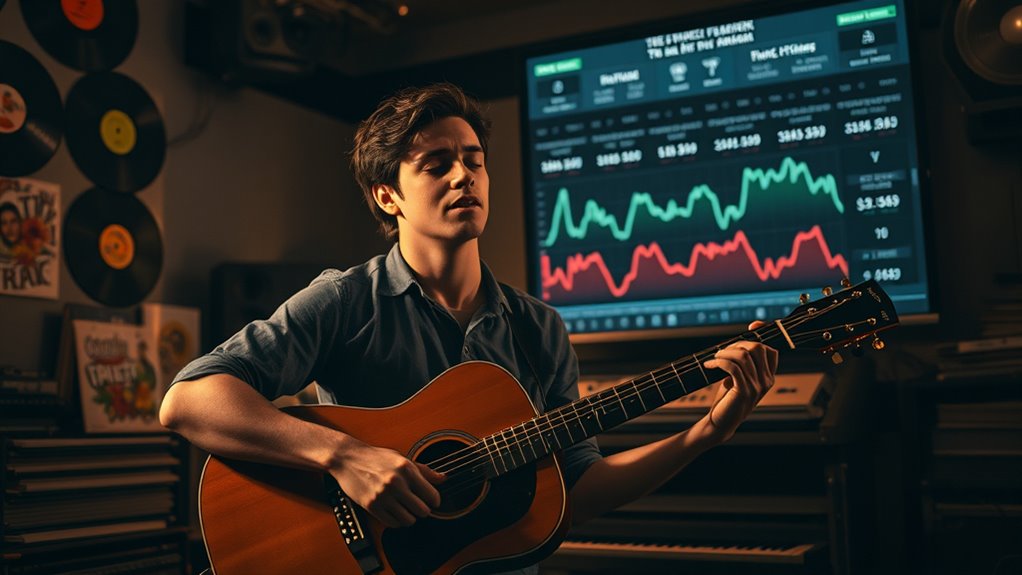
Music streaming royalties are payments made to artists, songwriters, and rights holders whenever their music is played on streaming platforms like Spotify, Apple Music, or YouTube. These royalties are the foundation of how creators earn money in the digital age, but the process isn’t always straightforward. As a listener, you might notice that some songs generate more revenue than others, often influenced by playlist algorithms. These algorithms curate personalized playlists based on your listening habits, promoting certain tracks over others. While this benefits listeners by delivering tailored music, it complicates how royalties are distributed. When a song lands on a popular playlist, it gets streamed more, increasing the artist’s earnings. However, if playlist algorithms favor specific tracks or genres, some artists may find it harder to gain visibility and fair compensation, especially if their music isn’t backed by major labels or prominent playlist curators.
The impact of playlist algorithms extends beyond listener experience; it also shapes the economics of streaming. Artists often rely on their placements in algorithm-driven playlists to reach wider audiences and earn royalties. But the system isn’t perfect. The more a song is promoted through these playlists, the more royalties it generates, yet the process of determining playlist placements isn’t always transparent. This opacity fuels licensing disputes, where rights holders argue over how revenue should be fairly split. Sometimes, disputes arise because streaming platforms use proprietary algorithms that prioritize certain tracks, leading to questions about whether artists are being adequately compensated for the exposure they receive. These disputes can involve negotiations between record labels, publishers, and streaming services, all seeking a fair share of the streaming revenue.
For independent artists, charting licensing disputes and understanding how playlist algorithms work can be especially challenging. They often lack the backing of major labels that have established relationships with streaming platforms, making it harder to secure favorable playlist placements. As a result, they might see their music streamed less, earning fewer royalties despite creating quality content. This situation underscores the importance of transparency and fair licensing practices in the streaming industry. Artists are fighting for more equitable royalty distribution, pushing for reforms that recognize their contributions and ensure they’re compensated fairly for every play. Ultimately, as streaming continues to dominate music consumption, understanding these dynamics becomes essential for artists seeking fair pay in a complex, algorithm-driven landscape.
music streaming royalty calculator
As an affiliate, we earn on qualifying purchases.
As an affiliate, we earn on qualifying purchases.
Frequently Asked Questions
How Do Streaming Royalties Compare to Traditional Album Sales?
When comparing streaming royalties to traditional album sales, you’ll notice streaming typically offers lower per-unit payments, impacting artists’ earnings. In the music industry, royalty distribution for streaming favors volume over profit per sale, unlike album sales, which provide upfront revenue. You might find streaming more accessible, but it often means artists need widespread, continuous streams to make comparable income, highlighting ongoing debates about fair pay in the industry.
What Role Do Record Labels Play in Streaming Royalties?
Think of record labels as gatekeepers in a digital age, much like the Muses guiding creativity in myth. They negotiate licensing agreements and manage digital rights, determining how streaming royalties are split. Record labels hold significant power in setting terms, often taking a sizeable cut before artists see earnings. Your understanding of their role reveals how they influence fair pay, making it essential to scrutinize these licensing agreements for transparency.
Are Independent Artists Fairly Compensated Through Streaming Platforms?
You might wonder if independent artists get fair compensation through streaming platforms. The truth is, direct artist royalty fairness varies, and many struggle to earn enough from streams alone. Streaming services often favor major labels, making it tough for independent creators to receive equitable pay. As a direct artist, you need to advocate for transparent royalty calculations and explore alternative revenue streams to guarantee fair compensation for your work.
How Can Artists Track Their Streaming Revenue Accurately?
Imagine having a superpower that reveals every penny earned from your music—sounds like magic, right? That’s what accurate royalty tracking offers. You can monitor your streaming revenue with tools like Spotify for Artists, Apple Music for Artists, and royalty management platforms such as DistroKid or Tunecore. These give you revenue awareness, helping you spot discrepancies and guarantee you get paid fairly, turning you into your own revenue detective.
What Legal Actions Have Artists Taken to Improve Royalty Rates?
You might wonder what legal actions artists have taken to improve royalty rates. Many have launched legal challenges against streaming platforms, arguing they’re unfairly compensated. These efforts aim for royalty reform, pushing for transparent and equitable payment structures. Artists band together through lawsuits and lobbying, forcing the industry to address royalty issues. Such legal actions help press for fairer compensation, making sure artists get paid more accurately and fairly for their work in the streaming era.
Conclusion
By staying informed about how streaming royalties work, you can better advocate for fair pay. Some believe that streaming giants manipulate payout structures to favor themselves, but evidence suggests that increased transparency could lead to fairer compensation for artists. If you support reforms, you help challenge these skewed systems and push for a more equitable industry. Ultimately, understanding these dynamics empowers you to demand change and ensure artists are truly rewarded for their creativity.
Fall Picks
fall essentials
As an affiliate, we earn on qualifying purchases.