
TL;DR
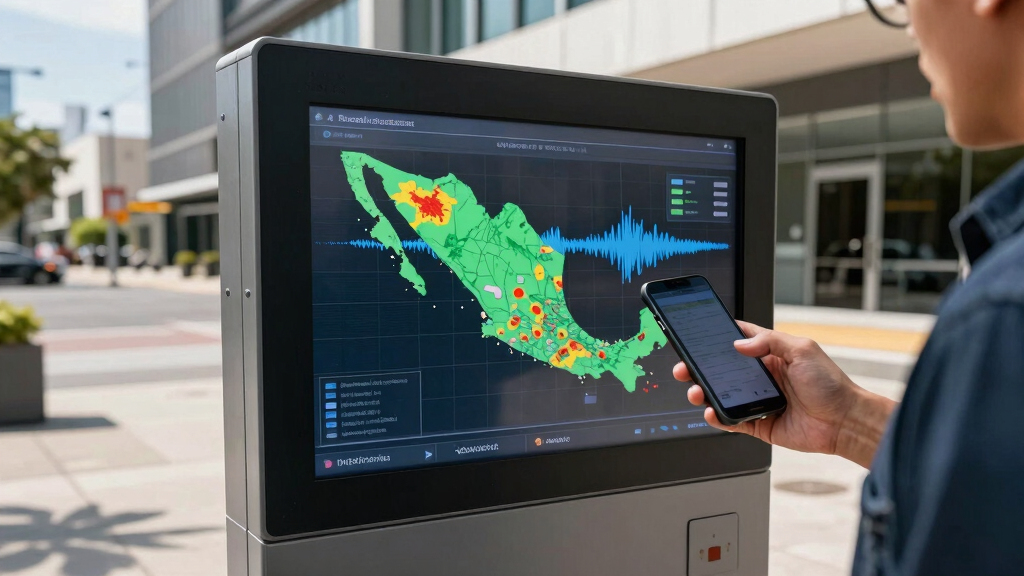
A strong magnitude 6.8 earthquake struck southern Mexico today, prompting evacuations and initial reports of damage. Search and rescue efforts are underway, with the full extent of impact still being assessed.
A magnitude 6.8 earthquake struck southern Mexico early this morning, prompting evacuations and initial reports of structural damage. The event is confirmed by Mexico’s National Seismological Service, and authorities are now assessing casualties and infrastructure impact. This development matters because of the potential for widespread damage and the ongoing risk of aftershocks.
The earthquake occurred at approximately 8:15 a.m. local time in the state of Oaxaca, with the epicenter located about 20 kilometers south of the city of Juchitán. The Mexico City seismic alerts were triggered, and residents reported shaking lasting over a minute in some areas. Initial reports from local officials indicate that several buildings have been damaged, including some in Oaxaca and Chiapas, leading to evacuations of residents from vulnerable structures. The USGS has also issued a tsunami warning for coastal areas.
Emergency services have been mobilized across affected regions, with search and rescue teams dispatched to identify and assist injured individuals. The Mexican government has issued a nationwide alert, urging caution and preparedness for possible aftershocks. No confirmed fatalities have been reported yet, but some injuries have been documented, and hospitals are on high alert. The U.S. Geological Survey (USGS) has also issued a tsunami warning for coastal areas, though authorities in Mexico have not confirmed any tsunami threat at this time.
Why the Mexico Earthquake Is a Major Concern
This earthquake highlights the ongoing seismic vulnerability in southern Mexico, a region prone to frequent tectonic activity due to the complex interactions of the Cocos, North American, and Caribbean plates. The event underscores the importance of preparedness and resilient infrastructure in earthquake-prone areas. It also raises concerns about potential aftershocks and the capacity of local emergency services to respond effectively in the coming hours and days.
For residents, the event serves as a reminder of the need for ongoing safety measures and disaster planning. For authorities, it emphasizes the importance of rapid response and accurate information dissemination to minimize casualties and damage. The event also draws international attention to Mexico’s seismic risks and the need for continued investment in early warning systems and building codes.

Ready America 70280 Emergency 2-Person 3-Day Survival Backpack
- Emergency Kit for Disaster Preparedness: Supports 2 people for 3 days
- Includes 33-Piece First Aid Kit: Treat minor injuries easily
- Food, Water, Emergency Blankets: Contains survival food, water, and blankets
As an affiliate, we earn on qualifying purchases.
As an affiliate, we earn on qualifying purchases.
Recent Seismic Activity in Mexico and Regional Risks
Mexico is situated along one of the most seismically active regions in the world, experiencing frequent earthquakes, some of which have caused significant destruction and loss of life. The last major quake in the region was a magnitude 7.1 event in September 2017 that struck Puebla, resulting in hundreds of casualties. The country has also experienced numerous smaller quakes, often causing damage to vulnerable structures.
Historically, southern Mexico, especially Oaxaca and Chiapas, has been a hotspot for seismic activity due to the subduction of the Cocos Plate beneath the North American Plate. Authorities have implemented early warning systems, but the region remains at high risk for future events. This recent quake is part of a pattern of ongoing seismic activity in the area, with aftershocks likely to continue in the coming days.
“Many buildings suffered damage, and residents have been evacuated from unsafe structures. We are coordinating with emergency services.”
— Local Mayor of Juchitán
Extent of Damage and Casualties Still Unclear
While initial reports confirm structural damage and evacuations, the full extent of casualties and the severity of damage are still being assessed. It is not yet clear whether there are any fatalities, and the number of injured remains unconfirmed. Information from remote or rural areas may take time to reach authorities, and aftershocks could cause further damage.
Ongoing Response and Future Monitoring Efforts
Emergency services continue to search for survivors and assess damage across affected regions. Authorities are expected to release updated casualty and damage reports in the coming hours. Seismologists are monitoring for aftershocks, which could pose additional risks. The Mexican government may also issue further alerts or advisories as the situation develops.
Key Questions
Has there been any loss of life from the earthquake?
As of now, no fatalities have been officially confirmed, but rescue efforts are ongoing, and casualties could still be reported.
Are there risks of a tsunami following this earthquake?
The USGS issued a tsunami warning for coastal areas, but Mexican authorities have not confirmed any tsunami threat at this time. Residents in coastal zones should stay alert for updates.
How strong was the earthquake and where was the epicenter?
The earthquake had a magnitude of 6.8, with its epicenter located approximately 20 kilometers south of Juchitán in Oaxaca state.
What should residents do now?
Residents should stay away from damaged structures, follow official guidance, and remain alert for aftershocks. Emergency services are on high alert and providing assistance.
Source: google-trends