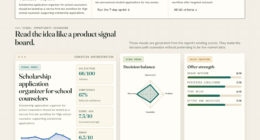

📊 Full opportunity report: The referral. How AI search severs the content-for-traffic contract that funded the open web. on ThorstenMeyerAI.com — validation score, market gap, and execution plan.
TL;DR
AI search results are increasingly providing direct answers, reducing referral traffic to publishers by over 50%. This shift threatens the core revenue model of online publishing, especially for small and niche sites.
Google’s AI Overviews now provide direct answers to search queries, significantly reducing the referral traffic that publishers depended on for revenue, with more than half of Google searches ending in zero clicks. This change marks a decisive break from the longstanding content-for-traffic contract that funded digital publishing.
For nearly two decades, publishers allowed search engines to crawl and index their content in exchange for traffic referrals that monetized their content through ads and subscriptions. Recent data shows that as of early 2026, approximately 58-60% of Google searches result in zero clicks, with AI Overviews contributing to this trend. Studies by Ahrefs and Pew indicate a sharp decline in click-through rates, especially impacting small and medium publishers, which have lost up to 60% of their Google referrals over two years. While AI-generated referrals like ChatGPT grew over 200% in the same period, they still account for less than 1% of publisher traffic. Experts warn that this shift is not merely cyclical but a structural change, transforming the web’s economics from a ‘click economy’ to a ‘citation economy,’ where brand recognition and direct relationships with audiences become more critical for sustainability.The referral.
How AI search severs the
content-for-traffic contract
that funded the open web.
AI Overview · up from 34.5% in 2025
two years · large publishers only −22%
AI Overview appears
despite 200%+ growth
for
traffic
The referral was a contract that was only a custom, severed by the party that always held the power to sever it. What survives is not a new channel but a different asset — the direct relationship with the reader — and the publishers who endure are converting from the rented audience to the owned one before “Google Zero” arrives in full.Thorsten Meyer · The Referral · Post-Wire 03
Implications of the Referral Collapse for Digital Publishing
This structural shift threatens the core revenue model of online publishers, especially smaller and niche outlets, by severing the essential channel—referral traffic—that monetized their content. As AI search answers bypass traditional links, publishers face declining traffic and revenue, risking the survival of independent journalism and niche content. The industry must adapt by building direct relationships with audiences through subscriptions, email lists, and licensing deals, as the old referral-based model diminishes. The change also consolidates power among larger brands, further challenging diversity and competition in digital media.
Integration of AI Tools into Corporate Tax Liability Analysis: A Step-by-Step Roadmap to Automating Tax Compliance, Reducing Penalties, and Transforming Finance Functions with ERP, BI, AutoML & NLP
As an affiliate, we earn on qualifying purchases.
As an affiliate, we earn on qualifying purchases.
Historical Dependence on Search Referral Traffic
For two decades, publishers relied on search engines to send traffic in exchange for indexing their content. This ‘content plus referral’ contract underpinned the digital advertising economy, enabling small, medium, and large publishers to monetize their content through clicks. Recent developments, driven by AI search features like Google Overviews, are disrupting this foundation. Data from Chartbeat shows a 33-38% decline in Google referrals globally since late 2024, with smaller publishers hit hardest. The trend reflects a broader shift from a web where traffic was the currency to one where citations and brand recognition are becoming dominant. This evolution signals a potential end to the open web’s traditional economic model, raising concerns about diversity and sustainability in online publishing.“The referral was the load-bearing contract of the open web — now, AI search is dissolving it, replacing a click economy with a citation economy that favors big brands and endangers small publishers.”
— Thorsten Meyer
Pro Tools Perpetual License NEW 1-year software download with updates + support for a year
Full version, permanent License of Avid Pro Tools. Includes 1-Year of software updates and upgrades.
As an affiliate, we earn on qualifying purchases.
As an affiliate, we earn on qualifying purchases.
Uncertainties Around Long-Term Industry Impact
It remains unclear how publishers will adapt long-term to the declining referral model. While some are shifting to direct relationships and licensing, the overall economic impact on independent and niche publishers is still unfolding. The pace and scale of AI-driven traffic shifts could accelerate or stabilize, but the full consequences are not yet known.
SEO for WordPress: How To Get Your Website on Page #1 of Google…Fast!
As an affiliate, we earn on qualifying purchases.
As an affiliate, we earn on qualifying purchases.
Next Steps for Publishers and Industry Stakeholders
Publishers are expected to focus on building direct relationships with audiences through subscriptions, email lists, and owned platforms. Larger publishers may negotiate licensing deals with AI companies. Industry analysts anticipate ongoing monitoring of AI search impacts, with possible policy or platform interventions. The industry will likely see increased emphasis on alternative revenue streams and diversification strategies to mitigate the loss of referral traffic.
Content Systems for Creators: How to stay consistent across platforms without living online (Monetization Explained)
As an affiliate, we earn on qualifying purchases.
As an affiliate, we earn on qualifying purchases.
Key Questions
Why are referral traffic and content monetization linked?
Referral traffic historically drove visitors to publisher sites, where they could be monetized through ads or subscriptions. The traffic was a key part of the revenue model, making content valuable because it attracted paying audiences.
How does AI search reduce referral traffic?
AI search features like Google Overviews answer queries directly within the search results, providing the information without requiring users to click through to publisher sites. This reduces the number of visits and, consequently, revenue for publishers.
What is the difference between a traffic economy and a citation economy?
A traffic economy relies on visitors clicking through to publisher sites to generate revenue. A citation economy depends on being referenced or mentioned in AI answers, which does not generate direct traffic or revenue but can enhance brand recognition.
Are all publishers equally affected?
No. Smaller and niche publishers are experiencing larger declines in referral traffic, while larger publishers with direct audience relationships or licensing arrangements may be better positioned to adapt.
What can publishers do to survive this shift?
Focusing on building direct relationships with audiences through subscriptions, email lists, and owned platforms, as well as exploring licensing deals with AI providers, are potential strategies to mitigate the decline in referral-based revenue.
Source: ThorstenMeyerAI.com