
📊 Full opportunity report: Best Thermal Paste and Pads for High-TDP GPUs on ThorstenMeyerAI.com — validation score, market gap, and execution plan.
TL;DR
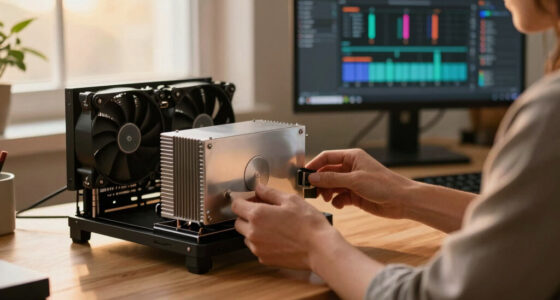
This article reviews the best thermal interface materials for high-TDP GPUs running 24/7 workloads. It highlights options like Honeywell PTM7950 for durability, and explains why long-term stability matters more than initial temps.
Honeywell PTM7950 phase-change material is now recognized as the top thermal interface material for high-TDP GPUs running continuously, due to its resistance to pump-out and long-term stability, according to recent industry testing and user feedback.
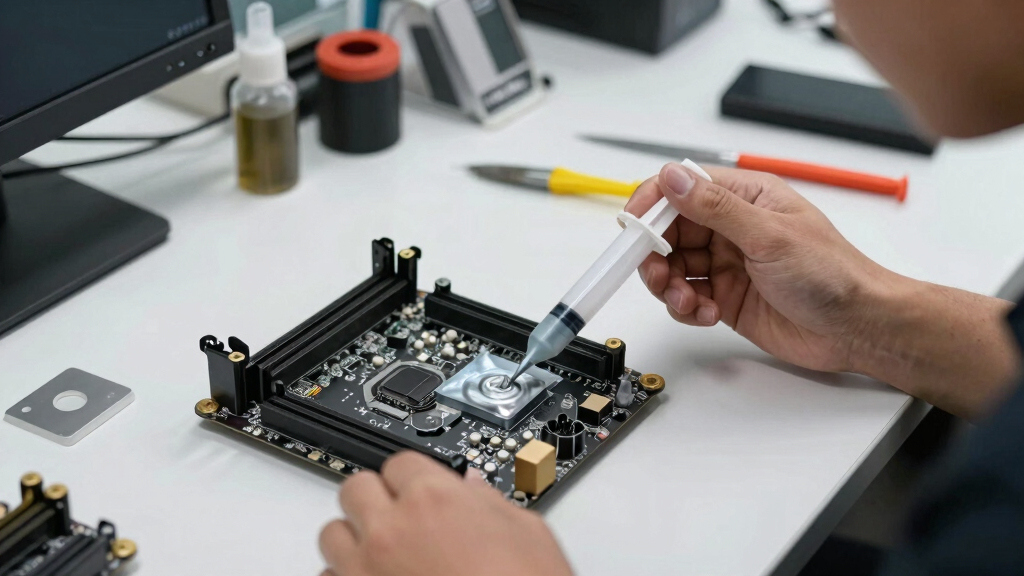
Traditional thermal pastes like Kryonaut perform well initially but tend to dry out over prolonged high-temperature operation, leading to increased GPU temperatures over time. In contrast, PTM7950, a phase-change material, remains stable under sustained heat, maintaining low thermal resistance for years. It is supplied as a thin sheet that requires cutting and placement, but offers superior durability for 24/7 workloads.
For users seeking an easier application, Arctic MX-6 offers excellent performance, non-conductivity, and longevity of 8–10 years. Noctua NT-H2, a premium traditional paste, provides reliable, consistent performance with easy application. Additionally, Thermal Grizzly Kryosheet, a graphene-based reusable pad, offers a long-lasting alternative but requires careful handling due to its electrical conductivity.
Best thermal paste
for a high-TDP GPU.
The standard “coldest on day one” advice is wrong for a 24/7 rig. Continuous heat slowly squeezes traditional paste out — a failure called pump-out — so the real question is what stays cold for years.
Why Long-Term Thermal Stability Matters for AI GPUs
High-performance GPUs used in AI inference and continuous workloads generate sustained heat, which can degrade traditional thermal pastes over time. Pump-out causes increased temperatures, potential thermal throttling, and reduced hardware lifespan. Choosing materials like PTM7950 ensures stable cooling, minimizes maintenance, and prolongs GPU lifespan, which is critical for data centers and dedicated AI rigs.

ARCTIC MX-4 (4 g) - Premium Performance Thermal Paste for All Processors
- Consistent Quality: Reliable performance with proven formula
- High Thermal Conductivity: Efficient heat dissipation for CPUs and GPUs
- Safe, Non-Conductive Formula: Metal-free and prevents short circuits
As an affiliate, we earn on qualifying purchases.
As an affiliate, we earn on qualifying purchases.
Long-Term Cooling Challenges for High-TDP GPUs
Most existing guides focus on gaming GPUs, emphasizing initial temperature drops rather than long-term stability. Traditional pastes like Kryonaut often perform well on day one but can dry out under continuous load, leading to increased thermal resistance. Phase-change materials like PTM7950 have been developed to address these issues, offering stable performance over years of operation. User reports and industry testing now favor these for 24/7 AI workloads.
"For continuous high-load operation, materials that resist pump-out are essential. PTM7950 has proven to maintain low thermal resistance after years of use."
— Industry expert
Remaining Questions About Long-Term GPU Cooling Materials
While PTM7950 shows promise, long-term user data beyond a few years is limited. It is also not yet clear how different GPU architectures or environmental conditions might affect its performance. Further testing and real-world deployment will clarify its durability over extended periods.
Next Steps in GPU Thermal Interface Material Development
Manufacturers are expected to refine phase-change materials further, improving ease of application and cost. Additional long-term field data will help validate these solutions, and new materials may emerge to combine the best features of pastes and pads. Users should monitor industry updates to choose the most reliable options for their high-performance GPUs.
Key Questions
Is phase-change material like PTM7950 suitable for all GPUs?
PTM7950 is best suited for high-TDP, continuous operation GPUs. It may be overkill for low-power or gaming GPUs that do not run under sustained load.
Can I use thermal pads instead of paste for my GPU?
Yes, high-quality reusable pads like Thermal Grizzly Kryosheet can be effective, especially for long-term use. However, they require precise placement and handling due to electrical conductivity.
Does using advanced thermal materials void my GPU warranty?
Repasting can void warranties in some cases. Always check your manufacturer’s policy before proceeding, and ensure proper application to avoid damage.
How often should I reapply thermal paste or replace pads for high-TDP GPUs?
Traditional pastes typically last 5–10 years, but for sustained workloads, materials like PTM7950 may last longer without reapplication. Replacing pads or paste depends on observed temperature increases or degradation signs.
Source: ThorstenMeyerAI.com