World Music Day, celebrated every June 21st, is a global event that invites you to celebrate the universal power of music. It highlights musical diversity by featuring styles from folk to jazz, encouraging you to explore different cultures and traditions. Through concerts, workshops, and online platforms, you’ll find opportunities to connect with new sounds and stories from around the world. Keep discovering how music unites us across borders and differences.
Key Takeaways
- World Music Day is celebrated annually on June 21st worldwide to honor and promote the power of music.
- The event showcases musical diversity through genres like folk, pop, jazz, and traditional sounds from various cultures.
- It encourages cultural exchange by connecting people globally through shared musical experiences beyond language barriers.
- Activities include outdoor concerts, workshops, and virtual events that highlight collaborations between diverse artists.
- Embracing musical diversity fosters understanding, empathy, and appreciation for different cultural identities and traditions.
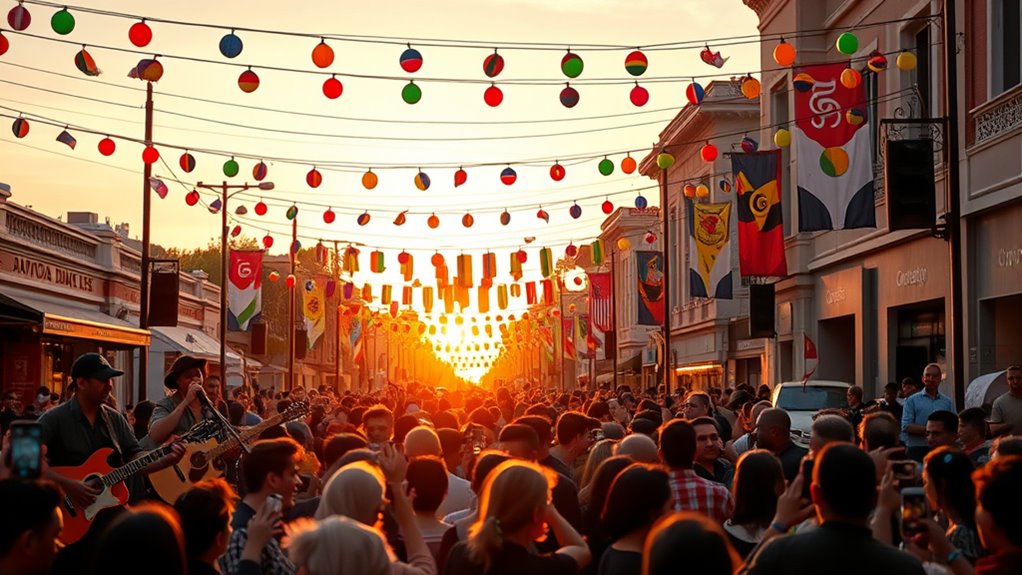
Every year, on June 21st, people around the world celebrate World Music Day, a global event dedicated to appreciating and sharing the power of music. This day offers you a chance to immerse yourself in a rich tapestry of sounds, rhythms, and melodies from every corner of the globe. It’s a celebration that emphasizes musical diversity, showcasing the vast array of styles, traditions, and voices that make our world uniquely vibrant. Whether you’re listening to traditional folk tunes, modern pop, or experimental jazz, you’re part of a broader movement that recognizes music’s ability to bridge gaps and foster understanding.
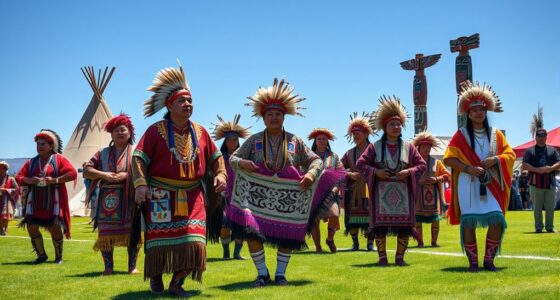
As you explore the festivities, you’ll notice how musical diversity plays a central role. Different cultures bring their distinct sounds to the forefront, allowing you to experience life from new perspectives. It’s more than just entertainment; it’s an invitation to dive deep into the histories and stories embedded within each genre. You might find yourself captivated by the intricate rhythms of West African drumming or moved by the soulful melodies of Latin America. This diversity isn’t just about variety; it’s about celebrating the unique identities and traditions that define each community’s musical expression. Recognizing the importance of musical diversity can deepen your appreciation and inspire you to explore new sounds and traditions beyond your usual listening habits. Exploring cultural expressions through music can also foster greater empathy and understanding across different societies.
Cultural exchange is at the heart of World Music Day. When you listen to music from another country, you participate in a form of dialogue that transcends language barriers. It’s a way to connect with unfamiliar customs, values, and histories, fostering empathy and mutual respect. Many events on this day promote collaborations between artists from different backgrounds, creating new hybrid sounds that reflect a shared human experience. You might attend outdoor concerts, workshops, or virtual concerts that feature musicians blending genres and traditions. These exchanges encourage you to see music as a universal language capable of uniting people regardless of their origins. Supporting musical traditions helps maintain the cultural heritage that these artists represent while also allowing innovation to thrive. Additionally, embracing digital platforms can expand access to diverse musical expressions, making world music more accessible to a global audience. Engaging with a variety of musical styles can also enhance your understanding of cultural identities and how they shape artistic expression worldwide.

Newlam Kalimba Thumb Piano 17 Keys, Portable Mbira Finger Piano Gifts for Kids and Adults Beginners
Rigorous Raw Materials Selection: The Newlam 17 Keys Kalimba thumb piano is handcrafted with high-quality material and ore…
As an affiliate, we earn on qualifying purchases.
As an affiliate, we earn on qualifying purchases.
Frequently Asked Questions
How Did World Music Day Originate and Who Founded It?
You might wonder about the history origins of World Music Day and its founding organization. It started in 1982, created by French Ministry of Culture, to promote music and cultural diversity. The idea quickly gained global popularity, encouraging people worldwide to celebrate music. The founding organization, primarily French, aimed to make music accessible and unite communities through this annual event, transforming a national celebration into a worldwide phenomenon.
Are There Specific Themes or Focuses for Each Year’s Celebration?
Did you know that each year’s celebration often highlights different themes? You might notice themes focusing on music genre diversity or cultural representation, helping to showcase the world’s musical richness. These themes encourage you to explore various styles and origins, fostering understanding and appreciation. By emphasizing different aspects annually, World Music Day keeps the celebration fresh and meaningful, inspiring you to connect with diverse musical traditions worldwide.
How Can Local Communities Participate in World Music Day?
You can participate in World Music Day by organizing local workshops where community members learn about different musical styles. Encourage participation in community choirs to foster local talent and collaboration. Hosting outdoor concerts, inviting local musicians, and promoting cultural exchange also help celebrate the day. By engaging in these activities, you support cultural diversity and strengthen community bonds, making the celebration meaningful and inclusive for everyone involved.
What Are Some Notable Global Events or Concerts Held Annually?
Think of global events as vibrant tapestries woven with diverse melodies. Each year, major music festivals like Glastonbury, Coachella, and Montreux Jazz Festival captivate audiences worldwide, showcasing unforgettable performances. These concerts serve as platforms for cultural exchange, uniting people through shared passion. Attending or following these notable events allows you to experience the richness of global music, fostering appreciation and understanding across cultures.
How Does World Music Day Promote Cultural Diversity Through Music?
You can see how World Music Day promotes cultural diversity through music by encouraging musical fusion and cultural exchange. It brings together artists from different backgrounds, showcasing unique traditions and styles. By attending events or listening to diverse performances, you experience firsthand how blending musical elements fosters understanding and appreciation of various cultures. This celebration highlights the beauty of diversity, inspiring you to explore new sounds and connect globally through shared musical experiences.

Top-requested Irish Sheet Music: 23 Popular and Traditional Favorites: Easy Piano
Used Book in Good Condition
As an affiliate, we earn on qualifying purchases.
As an affiliate, we earn on qualifying purchases.
Conclusion
On World Music Day, you’re reminded that music is both the universal language and a personal escape. It connects strangers across continents yet touches your soul in a quiet moment. As cities burst into song and quiet corners hum with melodies, you realize that music’s power lies in its paradoxes—unity and individuality, tradition and innovation. Celebrate this day by embracing the rhythm that unites us all, making every beat a shared heartbeat.

100 Easy Piano Songs for Beginners: Folk, Classical, Holiday & Jazz Songbook: With Video Lessons, 5 Progressive Levels, Music Games, Simplified Sheet … Piano Starter Kit – Anyone Can Play)
As an affiliate, we earn on qualifying purchases.
As an affiliate, we earn on qualifying purchases.

Westco KI7208 7-Piece Multicultural Rhythm Kit: Diverse Collection of Classroom Percussion Instruments – Chilean Rainstick, Agogo Bell, Maracas & More – Instructional DVD & Storage Container Included
Essential multicultural percussion kit for classrooms: West Music selected a practical set of rhythm instruments to support core…
As an affiliate, we earn on qualifying purchases.
As an affiliate, we earn on qualifying purchases.