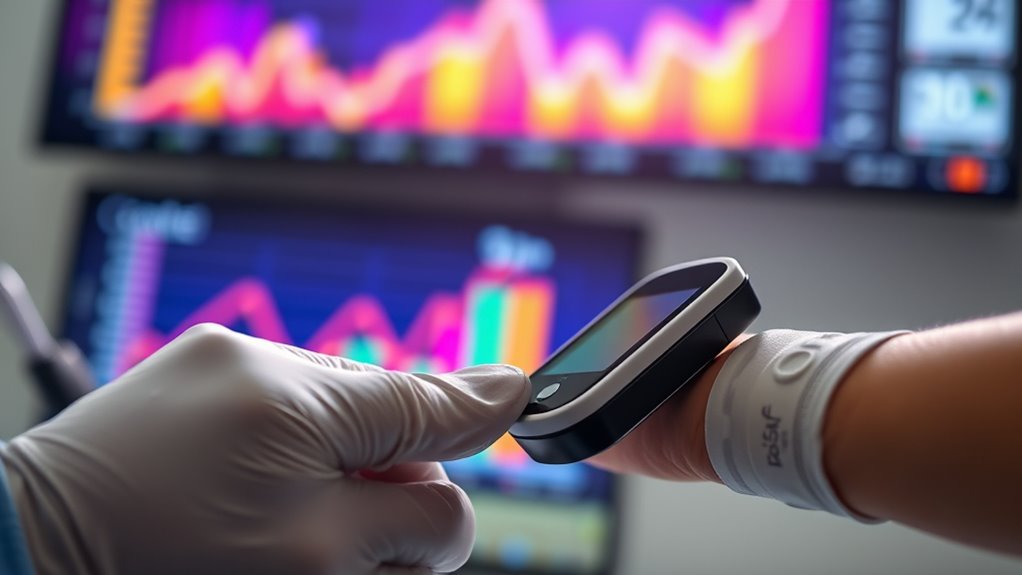

On World Diabetes Day 2025, you’ll see exciting advances transforming diabetes care. Faster-acting insulins better mimic your body’s natural response, while smart delivery systems and continuous glucose monitors help keep your blood sugar stable. Digital tools and telemedicine make managing diabetes easier and more personalized. These innovations are aimed at improving your quality of life and reducing complications. Explore further to discover how these breakthroughs can empower you to take control of your health.
Key Takeaways
- Continued development of ultra-rapid and long-acting insulins enhances blood sugar management and reduces injection frequency.
- Integration of smart delivery systems and continuous glucose monitoring improves personalized diabetes care.
- Mobile apps and wearable devices enable real-time tracking and proactive lifestyle adjustments.
- Telemedicine expands access to expert care, supporting better management and patient engagement.
- Ongoing innovations aim to prevent complications and improve quality of life for people with diabetes.

Have you ever wondered how you can make a difference in the fight against diabetes? Every year, on World Diabetes Day 2025, awareness grows, and new advancements in diabetes care emerge to help you manage the condition more effectively. One of the most exciting areas of progress involves insulin innovations. Researchers and biotech companies are developing faster-acting insulins and smarter delivery systems that better mimic your body’s natural insulin response. These innovations mean you can experience more stable blood sugar levels with fewer fluctuations, reducing the risk of complications. For example, ultra-rapid insulins now work within minutes, giving you more control during meals, while long-acting formulations provide a steady baseline, decreasing the need for multiple injections. Such advancements not only improve your quality of life but also lessen the emotional and physical burden of managing diabetes daily.
Alongside insulin innovations, lifestyle management continues to play a pivotal role in controlling diabetes. The good news is that new tools and resources make it easier than ever to stay on top of your health. Mobile apps now offer real-time blood glucose tracking, personalized meal planning, and activity reminders, empowering you to make informed decisions. Wearable devices monitor your glucose levels continuously, providing valuable insights that help you adjust your habits proactively. Furthermore, healthcare providers are increasingly adopting telemedicine, allowing you to consult with specialists from the comfort of your home. These technological advances reinforce the importance of lifestyle management, emphasizing balanced nutrition, regular physical activity, and stress reduction as critical pillars of diabetes care. Innovations in diabetes care are also making treatments more personalized and effective, helping you to better prevent complications and maintain a healthier, more active life.
The landscape of diabetes treatment is evolving rapidly, and your role in this fight is more significant than ever. Staying informed about the latest insulin innovations and embracing lifestyle management strategies can dramatically improve your health outcomes. On World Diabetes Day 2025, take a moment to reflect on how these developments are helping you and millions worldwide. Remember, managing diabetes isn’t just about medication; it’s about integrating new technologies and healthy habits into your daily routine. With continued advances, you’re empowered to take control of your condition, reduce risks, and lead a vibrant, fulfilling life. The future of diabetes care is bright, and your proactive involvement plays a vital part in shaping it.
Top picks for "diabet world advanc"
Open Amazon search results for this keyword.
As an affiliate, we earn on qualifying purchases.
Frequently Asked Questions
How Will Telemedicine Improve Diabetes Management by 2025?
By 2025, telemedicine will enhance your diabetes management through remote monitoring, allowing you to track blood sugar levels in real-time. This technology keeps you engaged with your care plan, making it easier to follow your doctor’s advice and adjust treatments promptly. You’ll benefit from more personalized support, immediate feedback, and increased convenience, empowering you to take control of your health and improve your overall well-being.
Are There New Insulin Delivery Methods Being Developed?
You’re likely to see new insulin delivery methods like insulin patches and smart pens becoming more common by 2025. For example, a patient using a smart pen can easily track doses and adjust injections via an app, improving control. Insulin patches offer a discreet, steady release of insulin, reducing the need for injections. These innovations make managing diabetes more convenient and precise, helping you lead a healthier, more balanced life.
What Role Will Artificial Intelligence Play in Diabetes Diagnosis?
Artificial intelligence will substantially improve your diabetes diagnosis by enhancing machine learning and diagnostic algorithms. These tools analyze vast amounts of data quickly, helping your healthcare provider identify early signs and accurately predict disease progression. As AI advances, you’ll benefit from more precise, personalized treatment plans, making management easier and more effective. This technology promises to reduce misdiagnoses and enable timely interventions, ultimately improving your health outcomes.
How Accessible Are Emerging Treatments in Low-Income Regions?
Like Icarus soaring too close to the sun, emerging treatments in low-income regions face affordability barriers and healthcare disparities that limit access. You might find these innovations less available or too costly, widening the gap between wealthier and poorer communities. While breakthroughs promise better care, you must advocate for policies that make treatments affordable and accessible, ensuring everyone benefits from advances, regardless of where they live.
Will There Be Advancements in Preventing Diabetes Onset?
Yes, there will be advancements in preventing diabetes onset. You’ll see progress through genetic research that helps identify risk factors early, enabling targeted prevention strategies. Additionally, lifestyle modifications such as improved diet and increased physical activity will play a vital role. These developments aim to reduce new cases by empowering you with personalized prevention plans, ultimately making diabetes prevention more effective and accessible in the future.
Conclusion
As you reflect on the advances in diabetes care, remember that progress is like a beacon guiding us through the darkness of uncertainty. With ongoing innovations and increased awareness, you can take control of your health and inspire others to do the same. World Diabetes Day 2025 reminds you that, together, we’re shaping a future where managing diabetes becomes easier and more effective—like a steady compass pointing toward hope and better days ahead.