TL;DR

Prime made for students and young adults
- Fast, free delivery for dorm and study essentials
- Prime Video and Amazon Music included
- Member-only deals
Advances in biotechnology now enable individuals to sequence their own DNA at home. This guide explains the confirmed methods, potential benefits, and remaining uncertainties about home DNA sequencing.
Recent developments in biotechnology have made it possible for individuals to sequence their own DNA at home using commercially available kits and portable sequencers. This shift offers unprecedented access to personal genetic information outside traditional laboratory settings, raising both opportunities and concerns.
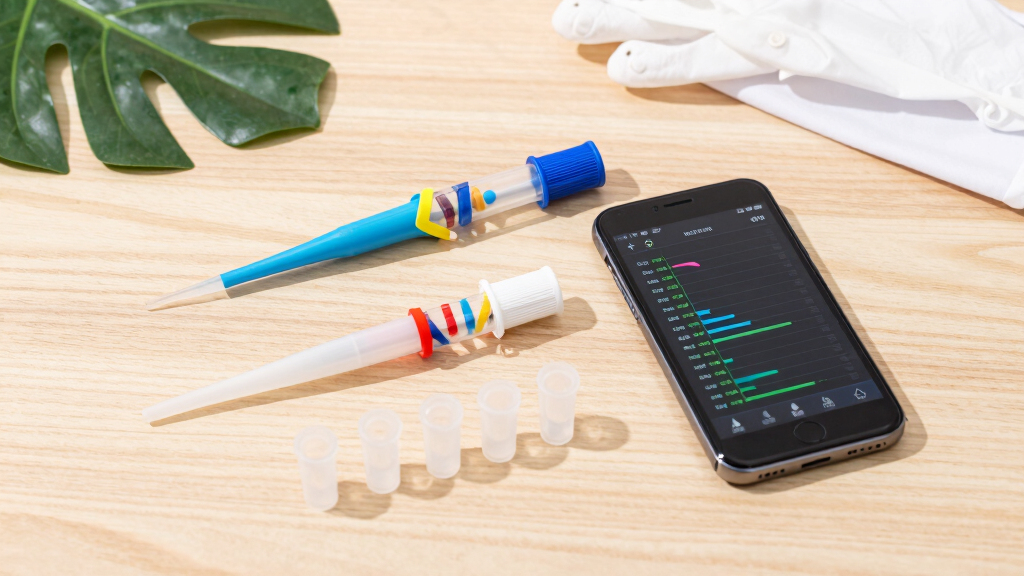
Several companies now offer DIY DNA sequencing kits designed for consumer use, such as Oxford Nanopore’s MinION and others that facilitate at-home genetic analysis. These devices are compact, portable, and designed for non-expert users, enabling them to perform sequencing with minimal specialized training.
Experts confirm that it is technically feasible to sequence DNA at home by following specific protocols, which typically involve collecting a biological sample (like saliva), preparing the sample with reagents, and running it through a portable sequencer. However, the process still requires some technical knowledge, and results may vary in accuracy depending on the equipment and method used.
Implications of DIY DNA Sequencing for Personal Health and Privacy
This development could increase access to genetic information, allowing individuals to explore aspects such as ancestry, potential health risks, and genetic traits outside traditional laboratory settings. It also raises privacy considerations, as personal genetic data could be vulnerable if not properly protected. Experts advise caution in interpreting results obtained through home sequencing to avoid misinterpretation or unnecessary concern.
As an affiliate, we earn on qualifying purchases.
Emergence of Consumer-Accessible DNA Sequencing Technologies
Over the past decade, DNA sequencing has transitioned from a costly, specialized laboratory process to a more accessible technology. Companies like Oxford Nanopore and Illumina have developed portable or affordable sequencing devices aimed at researchers and, increasingly, consumers. The availability of these tools for home use marks a notable development in personal genomics.
While professional laboratories adhere to strict standards for accuracy and interpretation, the consumer market remains relatively unregulated, and the quality of results can vary. The trend toward DIY genetic analysis reflects broader shifts in democratizing science and data ownership.
“Technically, it is now possible for a dedicated individual to perform DNA sequencing at home, but understanding and interpreting the results remains complex.”
— Dr. Lisa Chen, geneticist
Current Limitations and Risks of At-Home DNA Sequencing
While the technology is available, the accuracy of results from consumer-grade devices can vary, and proper interpretation remains challenging for non-experts. It is also uncertain how regulatory frameworks will evolve to address privacy and data security concerns related to at-home genetic analysis.
Future Developments in DIY Genetic Testing and Regulation
Expect ongoing improvements in the accuracy and user-friendliness of home sequencing kits. Regulatory bodies may develop guidelines to address data privacy and result reliability. Researchers and policymakers are monitoring how consumer use of these tools develops and impacts health, ethics, and privacy.
Key Questions
Can I currently sequence my own DNA at home?
Yes, several commercial kits and portable sequencers are available for consumer use, allowing individuals to perform DNA sequencing at home with some technical effort.
How accurate are home DNA sequencing devices?
The accuracy varies depending on the device and protocols used. Professional laboratories generally provide more reliable results, but consumer devices are improving in this regard.
What are the privacy risks of sequencing my DNA at home?
Personal genetic data could be vulnerable to hacking, misuse, or unauthorized sharing. Users should review privacy policies carefully and handle data securely.
Do I need special skills to sequence my DNA at home?
Some technical knowledge is required to prepare samples and operate sequencing devices properly. Manufacturers are working to make the process more accessible.
Will home DNA sequencing become regulated?
Regulatory frameworks are likely to evolve as consumer genetic testing becomes more widespread, with the aim of protecting privacy and ensuring result accuracy.
Source: hn
Columbus Day / Indigenous Peoples' Day Picks
long weekend sales
As an affiliate, we earn on qualifying purchases.