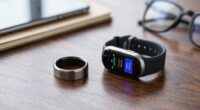
If you want a device that offers customization, multimedia features, and connects seamlessly to your digital life, a smartwatch suits you best. It’s perfect if you enjoy changing watch faces, installing apps, and staying connected. On the other hand, if your focus is on health, fitness, and long battery life, a fitness tracker fits your needs. These trackers provide simple, reliable monitoring without fuss. Keep exploring to discover how each device aligns with different lifestyles and priorities.
Open a free Amazon Business account
Business pricing, bulk buying and tax-exempt orders.
As an affiliate, we earn on qualifying purchases.
Key Takeaways
- Smartwatches cater to users seeking customization, multimedia features, and app integration for a versatile digital experience.
- Fitness trackers primarily serve users focused on health metrics, offering simple, long-lasting tracking with minimal personalization.
- Battery life differences influence user choices: fitness trackers favor extended use, while smartwatches require frequent charging.
- Durability and water resistance appeal to active users in outdoor or harsh environments.
- Personalization and style options make smartwatches suitable for users prioritizing fashion and multi-functionality.
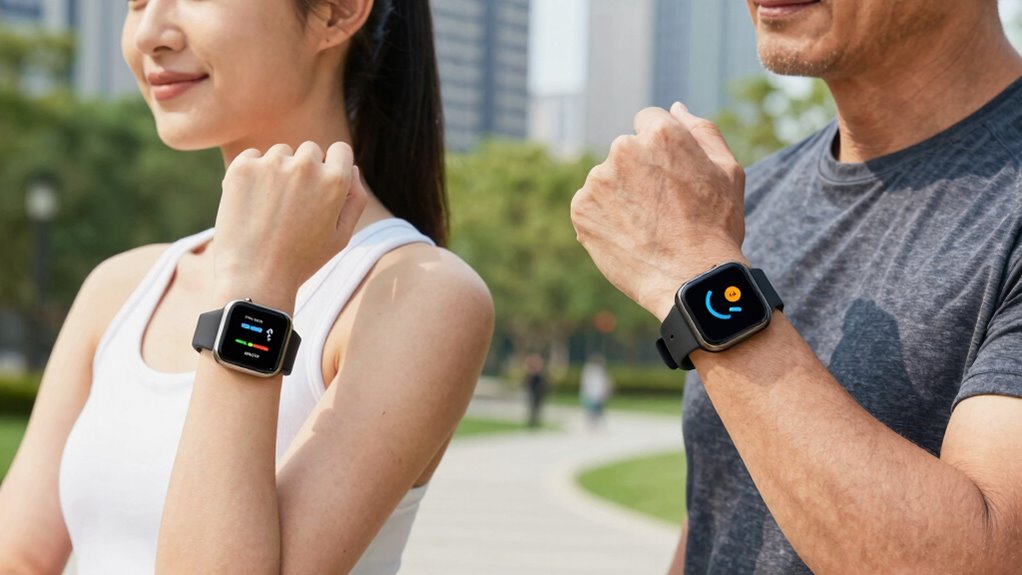
Smartwatches and fitness trackers may seem similar at first glance, but they serve different types of users with distinct needs. If you’re someone who values customization, you’ll find that smartwatches often excel thanks to their extensive personalization features. These devices allow you to change watch faces, install various apps, and customize notifications, making them a versatile accessory that adapts to your daily routines and style preferences. Whether you want a sleek, professional look or something more playful, smartwatches give you the flexibility to tailor your device to match your personality. However, this level of personalization often comes with a trade-off: battery life considerations. The more features you customize and use, the quicker your smartwatch’s battery drains. So, if you’re someone who relies heavily on your watch for multiple notifications, apps, and constant connectivity, you might find yourself charging it more frequently.
On the other hand, fitness trackers are typically designed for simplicity and long-lasting performance. If your main goal is to monitor your health and fitness metrics without fuss, a fitness tracker provides a straightforward experience. These devices usually focus on core features like step counting, heart rate monitoring, sleep tracking, and calorie counting. They tend to have limited personalization options, which isn’t a drawback if you prefer a device that’s easy to use right out of the box. Since fitness trackers prioritize energy efficiency over multimedia capabilities, their battery life often extends for several days or even weeks on a single charge. This means you can wear your tracker continuously without worrying about frequent recharging, making it ideal for individuals who want constant health monitoring without interruptions. Additionally, some fitness trackers incorporate features like dog breeds overview, which can help users connect with their pets’ needs and behaviors. Moreover, the battery efficiency of fitness trackers ensures they remain reliable over extended periods, reducing the need for frequent replacements. Understanding the user interface of these devices can also help you determine which one better suits your comfort level and ease of use. Furthermore, considering the durability of fitness trackers can be essential for users with active lifestyles or harsh environments. In addition, many fitness trackers are designed with water resistance features, making them suitable for various outdoor activities and water-based pursuits.
Ultimately, your choice depends on what you need from your wearable device. If you want a highly customizable gadget that can handle various apps and notifications, and you’re okay with charging it more often, a smartwatch is likely the better fit. Conversely, if you’re primarily focused on tracking your fitness and want a device that lasts days or weeks without needing a recharge, a fitness tracker is the smarter choice. Both serve their purpose well, but understanding your priorities will help you select the device that best aligns with your lifestyle. Keep in mind that your usage habits and preferences, especially around personalization features and battery life considerations, play a *vital* role in making the right choice.
As an affiliate, we earn on qualifying purchases.
Frequently Asked Questions
Can Smartwatches Replace Fitness Trackers Completely?
Smartwatches can replace fitness trackers for many users, thanks to their device versatility and user customization. They offer all-encompassing features like heart rate monitoring, activity tracking, notifications, and apps, making them suitable for daily use. However, if you prioritize specialized fitness metrics or longer battery life, fitness trackers might still be better. Ultimately, your specific needs determine whether a smartwatch can fully replace a fitness tracker.
Are Fitness Trackers Suitable for Professional Athletes?
In the era of digital mastery, fitness trackers are quite suitable for professional athletes. You’ll appreciate their precise data accuracy, which guarantees reliable insights into your performance. They excel at training customization, helping you fine-tune workouts for maximum results. While smartwatches offer more features, fitness trackers focus on core metrics. For high-level training, these devices serve as essential tools, keeping your progress on point and your goals within reach.
How Long Do Smartwatches’ Batteries Last Compared to Fitness Trackers?
Smartwatches generally have shorter battery lives compared to fitness trackers, often lasting one to three days, while fitness trackers can go up to a week or more. This battery life comparison affects how often you need to charge each device. You’ll find fitness trackers require less frequent charging, making them more convenient for continuous activity monitoring. Smartwatches demand more frequent charging, usually daily or every couple of days, due to their advanced features.
Do Fitness Trackers Sync With All Smartphone Models?
Surprisingly, fitness trackers don’t sync with all smartphone models, despite their popularity. You might think they’d be universally compatible, but device compatibility varies greatly. Some trackers seamlessly integrate with popular apps, while others limit you to specific brands or operating systems. So, if you’re eyeing a fitness tracker, double-check app integration and compatibility beforehand. It’ll save you frustration and guarantee your device works smoothly with your smartphone.
Are There Privacy Concerns With Health Data From These Devices?
Yes, there are privacy concerns with health data from these devices. You should be aware that companies often use data encryption to protect your information, but breaches can still occur. Always read privacy policies and give user consent carefully before sharing your health data. Stay informed about how your data is stored and used, and consider adjusting privacy settings to better protect your personal health information.
Conclusion
So, whether you’re chasing fitness goals or staying connected on the go, your perfect device awaits. But what if the line between them starts to blur? Could a smartwatch’s smarts replace your fitness tracker, or will specialized features always have the edge? One thing’s certain—your choice might just reveal more about your future needs than you think. Are you ready to discover which device truly fits your life’s next chapter? The answer’s closer than you imagine.
NFL season / tailgating Picks
team gear
As an affiliate, we earn on qualifying purchases.