
Climate change is largely caused by human activities that increase greenhouse gases, especially carbon dioxide, into the atmosphere. These gases trap heat, leading to global warming and climate disruptions. Your daily choices, like driving, using fossil fuel energy, and consuming energy-intensive products, contribute to emissions. Switching to renewable energy sources, conserving resources, and supporting eco-friendly policies can help reduce your impact. Keep exploring to discover how small actions can make a big difference in protecting our planet.
Key Takeaways
- Human activities like burning fossil fuels increase greenhouse gases, driving global warming and climate change.
- Transitioning to renewable energy sources reduces carbon emissions and supports sustainable development.
- Greenhouse gases trap heat in the atmosphere, leading to rising global temperatures and climate impacts.
- Individual actions, such as conserving energy and choosing eco-friendly products, contribute to climate mitigation.
- Systemic change through policies and innovation is essential to effectively address and combat climate change.

Have you ever wondered how human activities are impacting our planet’s climate? Every day, your choices contribute to a larger environmental picture that’s changing rapidly. One of the main drivers of climate change is the increase in greenhouse gases, especially carbon dioxide, which traps heat in the atmosphere. Your personal carbon footprint—the total amount of greenhouse gases you produce—plays a significant role. Simple actions like driving a gasoline-powered car, using electricity generated from fossil fuels, and consuming energy-intensive products all add up. But the good news is, you have the power to reduce this footprint by embracing renewable energy sources. Switching to solar or wind power, for example, means you’re relying less on fossil fuels that emit harmful greenhouse gases. This switch not only cuts your carbon footprint but also supports a cleaner, more sustainable energy system.
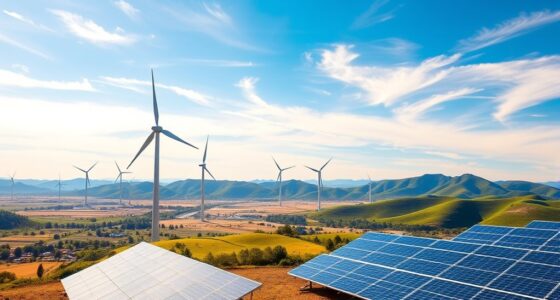
Reducing your carbon footprint by choosing renewable energy helps fight climate change and promotes sustainability.
Understanding the impact of your energy choices is essential. Fossil fuels like coal, oil, and natural gas are the primary sources of greenhouse gases globally, and their extraction and burning release massive amounts of carbon dioxide. Moving to renewable energy isn’t just about environmental responsibility; it’s also about long-term sustainability and economic resilience. Renewable energy sources, such as solar panels on your roof or community wind farms, generate electricity without emitting greenhouse gases. By choosing renewable energy, you reduce the demand for fossil fuels, which helps lower overall emissions and slows down climate change. It’s a practical step you can take, whether by installing solar panels or advocating for policies that support renewable infrastructure. Additionally, advancements in clean energy technology are making renewable options more accessible and affordable for consumers.
Your everyday habits matter more than you might realize. Reducing energy consumption, conserving water, and choosing sustainable products all contribute to lowering your carbon footprint. For instance, buying locally produced goods reduces transportation emissions, and opting for energy-efficient appliances minimizes electricity use. Educating yourself about renewable energy options and pushing for cleaner energy policies can amplify your impact. Every effort counts, especially when many people make small changes that collectively lead to significant reductions in greenhouse gases. Incorporating energy-efficient practices into your daily routine can further enhance your efforts. Additionally, supporting innovations in sustainable materials can help reduce the environmental impact of the products you use. Recognizing the importance of the role of technology in advancing renewable energy solutions can motivate further adoption and innovation. Exploring options like gold IRAs for diversifying your financial portfolio can also be a strategic move toward a more resilient future, especially considering the stability precious metals can provide during economic fluctuations.
In the end, tackling climate change requires a combination of individual responsibility and systemic change. Your choices—like supporting renewable energy initiatives and minimizing your carbon footprint—are essential steps toward a healthier planet. By understanding how your actions influence the climate, you become part of the solution, helping create a future where sustainable living is accessible and widespread. The more you learn and act, the more you contribute to mitigating climate change and protecting the environment for future generations.

Portable Solar Generator, 300W Portable Power Station with Foldable 60W Solar Panel,110V Pure Sine Wave 280Wh Battery Power Pack with USB DC AC Outlet for Camping Smart Devices RV Van Outdoor-Orange
Portable Generator with 60W Solar Panel Included: with a big battery pack, ZeroKor 300W power stations Generator are…
As an affiliate, we earn on qualifying purchases.
As an affiliate, we earn on qualifying purchases.
Frequently Asked Questions
How Does Climate Change Affect Local Wildlife?
You might notice climate change impacting local wildlife through habitat loss, which forces animals to find new homes or struggle to survive. As temperatures rise and weather patterns shift, some species can’t adapt quickly enough, leading to increased risks of extinction. Your actions can help protect these species by supporting conservation efforts and reducing carbon footprints, ensuring local wildlife continues to thrive in their natural habitats.
What Are the Most Effective Personal Actions to Reduce Carbon Footprint?
You can reduce your carbon footprint by changing personal habits like using energy-efficient appliances and driving less. Switching to renewable energy sources, such as solar or wind power, makes a significant difference. Also, consider conserving water, recycling, and supporting sustainable products. These actions help lower emissions and promote a healthier planet. Every small step counts, and collectively, your efforts can lead to meaningful change in fighting climate change.
How Do Climate Policies Vary Globally?
You’ll see that climate policies differ worldwide based on each country’s priorities and resources. International agreements like the Paris Accord aim to unify efforts, but policy implementation varies, affecting effectiveness. Some nations enforce strict regulations and invest heavily in renewable energy, while others focus on adaptation strategies. You can advocate for stronger international cooperation to improve policy consistency and guarantee effective climate action globally.
What Role Does Technology Play in Combating Climate Change?
You’re right on the front lines of the fight against climate change, and technology is your secret weapon. It helps you harness renewable energy sources like solar and wind, making clean power more accessible. Carbon capture technology also plays an essential role by trapping emissions before they reach the atmosphere. Together, these innovations turn the tide, proving that smart solutions can make a real difference in safeguarding our planet’s future.
How Will Climate Change Impact Future Global Economies?
You’ll see climate change impact future global economies through increased financial risks and challenges to economic resilience. As extreme weather events become more frequent, you’ll face disruptions in supply chains, higher insurance costs, and damaged infrastructure. These changes threaten stability and growth. To protect your economy, you need to prioritize resilience strategies and manage financial risks proactively, ensuring your economy can withstand and adapt to climate-related shocks.

Musings of an Energy Nerd: Toward an Energy-Efficient Home
As an affiliate, we earn on qualifying purchases.
As an affiliate, we earn on qualifying purchases.
Conclusion
Now that you know the basics, aren’t you curious about how your actions can make a difference? Every choice, from reducing waste to supporting clean energy, adds up. Climate change might seem overwhelming, but your efforts can turn the tide. Are you ready to take responsibility and be part of the solution? Remember, small steps today can lead to a healthier planet tomorrow. The future depends on what you do now—so, what will you do?

Wind Turbine Generator Kit, 1200W 5 Blade Wind Generators for Home, 12V 800RPM Power Kit with Controller, Windmill Generator for Solar&Wind System
Generator: three-phase permanent magnet synchronous motor. Efficient and compact ac generator with high performance NdFeB permanent magnet. A…
As an affiliate, we earn on qualifying purchases.
As an affiliate, we earn on qualifying purchases.

Thames & Kosmos Green Engineering STEM Kit | Build & Experiment with an Energy-Efficient Model Home, Explore Clean Energy, Sustainable Living, Includes Solar Panel, LEDs, Sensors, Ideal for Classrooms
HANDS-ON LEARNING & DISCOVERY: Kids ages 8 & up can construct a model home with a variety of…
As an affiliate, we earn on qualifying purchases.
As an affiliate, we earn on qualifying purchases.