
Renewable energy sources harness natural processes like sunlight and water currents to generate clean power that reduces your dependence on fossil fuels. Solar power captures heat and converts it into electricity, while water currents from rivers, tides, and oceans provide continuous kinetic energy through hydrokinetic systems. These green sources are sustainable, eco-friendly, and help fight climate change. If you want to understand more about how these technologies work and their benefits, keep exploring further.

Prime made for students and young adults
- Fast, free delivery for dorm and study essentials
- Prime Video and Amazon Music included
- Member-only deals
Key Takeaways
- Renewable energy sources include solar, wind, hydrokinetic, geothermal, and biomass, which produce clean power without depleting natural resources.
- Solar power uses sunlight through thermal collectors or photovoltaic panels to generate electricity or heat.
- Hydrokineic energy harnesses the kinetic movement of water in rivers, tides, and ocean currents for continuous power generation.
- Geothermal energy taps into Earth’s internal heat for sustainable electricity and heating solutions.
- Biomass converts organic materials into energy, reducing waste and lowering carbon emissions.
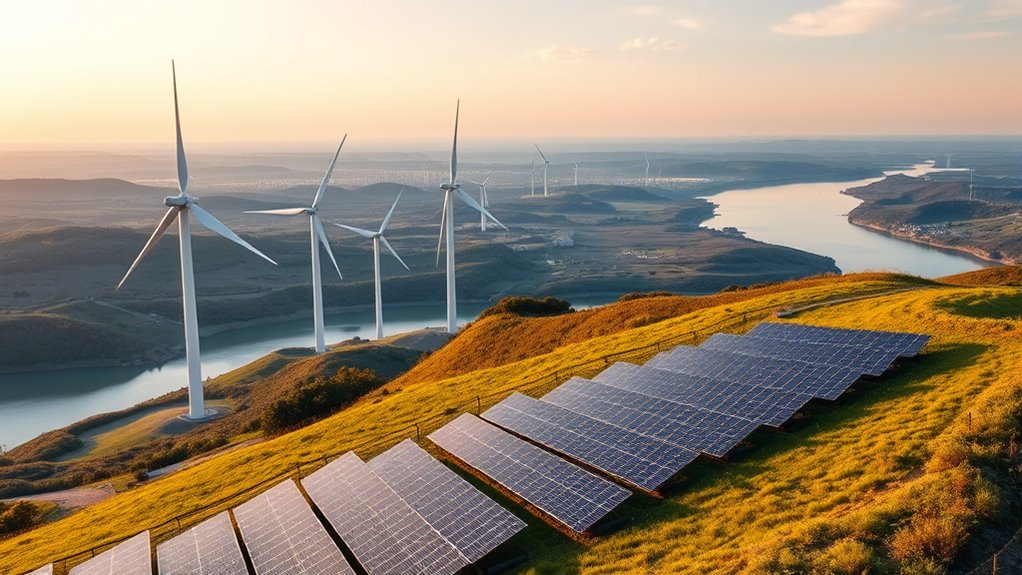
Have you ever wondered how we can power our world without harming the environment? The answer lies in renewable energy sources that harness natural processes, providing clean power without depleting resources or emitting harmful pollutants. One fascinating area is solar power, which relies on principles of solar thermodynamics. This science explains how sunlight can be converted into usable energy, often through solar thermal collectors that absorb and transfer heat. Unlike traditional solar panels that generate electricity directly, solar thermodynamics focuses on capturing heat to produce electricity more efficiently, especially in large-scale applications. Advances in this field enable us to store solar heat for later use, making solar power a reliable, consistent energy source. Alongside solar thermodynamics, hydrokinetic innovations are transforming how we utilize water currents for energy. Instead of dams or large infrastructure, these innovations tap into the kinetic energy of moving water—rivers, tides, and ocean currents—without disrupting ecosystems. Small, efficient turbines are placed in natural water flows, capturing the energy of currents with minimal environmental impact. These hydrokinetic systems are particularly promising because they can operate continuously, unlike solar or wind power, which depend on weather conditions. They also don’t require the extensive land use that other renewable sources demand, making them a sustainable choice for many communities. As you explore renewable energy options, you’ll notice that these technologies emphasize efficiency and minimal environmental footprint. Solar thermodynamics allows for more effective heat collection and storage, enabling energy generation even when the sun isn’t shining. Meanwhile, hydrokinetic innovations harness the natural motion of water, providing a steady and predictable power source. Both approaches exemplify how scientific understanding and engineering advancements work together to create sustainable solutions. These innovations are vital because they reduce our reliance on fossil fuels, cut carbon emissions, and help combat climate change. They also promote energy independence by utilizing local resources, such as sunlight and water currents, which are abundant and renewable. Understanding renewable energy technologies and their benefits helps us make informed choices for a sustainable future. As you become more aware of these technologies, you’ll see how they fit into a broader movement toward sustainable living. Investing in solar thermodynamics and hydrokinetic innovations not only benefits the environment but can also lead to economic growth through the creation of new jobs and industries. Switching to these clean energy sources means you’re part of a global effort to build a healthier planet, ensuring energy security for future generations. By understanding and supporting these innovations, you help drive the shift toward a sustainable, resilient energy landscape—one powered by natural, renewable forces rather than finite resources. Recognizing the role of solar thermodynamics and hydrokinetic systems underscores the importance of scientific research in advancing renewable energy.
Frequently Asked Questions
What Are the Initial Costs of Installing Renewable Energy Systems?
When considering the initial costs of installing renewable energy systems, you should focus on cost estimation and installation expenses. These costs vary depending on the system type, size, and location. Typically, you’ll need to budget for equipment, permits, and labor. While the upfront expenses might seem high, many systems offer long-term savings and incentives, making the investment worthwhile over time. Always get detailed quotes to plan your budget effectively.
How Do Renewable Energy Sources Impact Local Wildlife?
You might wonder how renewable energy sources impact wildlife habitat and ecosystem balance. When you install wind turbines or solar farms, you can disrupt local habitats, affecting animals that rely on those areas. However, thoughtful planning minimizes harm, helping preserve ecosystem balance. By choosing suitable locations and designing projects carefully, you support renewable energy goals while protecting wildlife and maintaining healthy ecosystems.
Can Renewable Energy Meet the Power Needs of Large Cities?
Ever wondered if renewable energy can power huge cities? It’s possible, but you need to contemplate urban infrastructure and energy grid integration. You might face challenges like storage and transmission, but advancements in technology are making it more feasible. Large cities can tap into solar, wind, and other renewables, reducing reliance on fossil fuels. With proper planning, renewable energy could meet your city’s growing power needs efficiently.
What Are the Storage Options for Intermittent Renewable Energy?
You want to know about energy storage options for intermittent renewable energy. Battery technology plays a key role here, allowing you to store excess power generated during peak times. You can also consider pumped hydro storage, which uses water to store energy, or thermal storage systems that retain heat for later use. These options help guarantee a steady power supply, even when renewable sources like wind or solar aren’t actively producing.
How Do Government Incentives Influence Renewable Energy Adoption?
You’re likely aware that government incentives play a vital role in renewable energy adoption. Policy incentives, such as tax credits and grants, provide significant financial support, making renewable projects more affordable. These incentives encourage you to invest in clean energy solutions by reducing upfront costs and increasing return on investment. As a result, more individuals and companies are motivated to adopt renewable energy, accelerating the shift to sustainable power sources.
Conclusion
By now, you should see that renewable energy isn’t just a trend—it’s the beating heart of our planet’s future. From solar to wind, each source plays a crucial role in transforming our world into a cleaner, greener paradise. Embracing these green power sources isn’t just smart; it’s the most revolutionary act you can take for the Earth’s survival. So, step up and harness the power of nature—your actions can spark a global revolution!
Fall Picks
fall essentials
As an affiliate, we earn on qualifying purchases.