NightWatch: A Practical Guide to Viewing the Universe is my best overall pick for astronomy beginners who want to connect what they read with what they can see in the sky. National Geographic Stargazer’s Atlas stands out for readers who want visual sky references, while Astronomy: A Self-Teaching Guide suits learners who prefer a structured, quiz-based approach. The main tradeoff is whether you want a broad introduction to astronomy, a guide to finding objects outdoors, or an activity-led book for children. Some books teach the science; others focus on observing targets, and those roles are not interchangeable. Read on for the full breakdown and help matching a book to your goals.

Prime made for students and young adults
- Fast, free delivery for dorm and study essentials
- Prime Video and Amazon Music included
- Member-only deals
Key Takeaways
- NightWatch ranks first because it connects beginner-friendly astronomy with practical observing, rather than focusing only on concepts or target lists.
- National Geographic Stargazer’s Atlas is the strongest visual reference in this group, but an atlas may be less satisfying as a first lesson in astronomy.
- Astronomy: A Self-Teaching Guide and Astronomy For Dummies suit readers who want organized instruction; the former emphasizes self-checking, while the latter offers a broad, approachable overview.
- The observing-list books serve different needs: 110 Things to See with a Telescope is aimed at general telescope users, while the kids’ titles make targets and activities more child-friendly.
- Several titles cover similar introductory ground, so the best choice depends less on the word “beginner” on the cover and more on whether you want science, sky orientation, telescope targets, or family activities.
| Astronomy for Beginners: An Introduction to Space, the Cosmos, Galaxies, and Celestial Bodies |  | Best Broad-Topic Starting Point | Subject: Astronomy | Audience: Beginners | Topics: Space, the cosmos, galaxies, and celestial bodies | VIEW LATEST PRICE | See Our Full Breakdown |
| NightWatch: A Practical Guide to Viewing the Universe |  | Best for Practical Stargazing | Subject: Viewing the universe | Approach: Practical guide | Audience: Not specified in the available product details | VIEW LATEST PRICE | See Our Full Breakdown |
| Astronomy: A Beginner’s Guide (Science 101, Book 7) |  | Best Series-Based Introduction | Subject: Astronomy | Audience: Beginners | Series: Science 101 | VIEW LATEST PRICE | See Our Full Breakdown |
| 110 Things to See with a Telescope: The World’s Most Famous Stargazing List |  | Best for a Defined Telescope Target List | Subject: Telescope stargazing | Target count: 110 things to see | Audience: Not specified in the available product details | VIEW LATEST PRICE | See Our Full Breakdown |
| Astronomy Activity Book for Kids: 100+ Fun Ways to Learn About Space and Stargazing |  | Best for Hands-On Learning with Kids | Subject: Astronomy, space, and stargazing | Audience: Kids | Activity count: 100+ | VIEW LATEST PRICE | See Our Full Breakdown |
| 50 Things to See with a Telescope for Kids: A Constellation-Focused Approach |  | Best for Young Telescope Observers | Format: Book | Audience: Kids | Focus: Constellations and telescope observing | VIEW LATEST PRICE | See Our Full Breakdown |
| The Ultimate Beginner Telescope Guidebook: Over 250 Targets for Beginners |  | Best for a Wide Range of Telescope Targets | Intended audience: Beginners | Target count: Over 250 | Primary subject: Telescope observing targets | VIEW LATEST PRICE | See Our Full Breakdown |
| Astronomy: A Self-Teaching Guide, Eighth Edition | 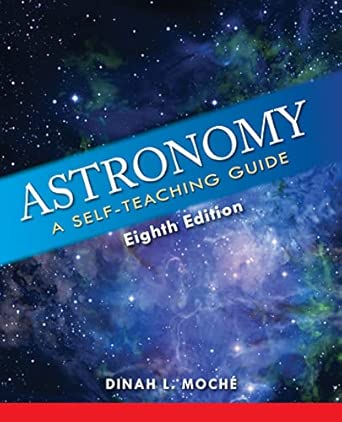 | Best for Structured Independent Study | Format: Self-teaching guide | Edition: Eighth Edition | Subject: Astronomy | VIEW LATEST PRICE | See Our Full Breakdown |
| Astronomy for Beginners: Introduction to the Solar System and a Brief History of Astronomy |  | Best for a First Conceptual Overview | Audience: Beginners | Main topic: Solar system | Additional topic: Brief history of astronomy | VIEW LATEST PRICE | See Our Full Breakdown |
| National Geographic Stargazer’s Atlas: The Ultimate Guide to the Night Sky |  | Best for Night-Sky Reference | Format: Atlas | Publisher brand in title: National Geographic | Subject: Night sky | VIEW LATEST PRICE | See Our Full Breakdown |
| Astronomy For Dummies: Book + Chapter Quizzes Online |  | Best for Self-Checking Learners | Format: Book with online chapter quizzes | Subject: Astronomy | Level: Introductory | VIEW LATEST PRICE | See Our Full Breakdown |
| National Geographic Backyard Guide to the Night Sky, 2nd Edition |  | Best for Backyard Skyfinding | Publisher: National Geographic | Edition: 2nd | Subject: Astronomy | VIEW LATEST PRICE | See Our Full Breakdown |
| Star Finder!: A Step-by-Step Guide to the Night Sky |  | Best for Learning Sky Orientation | Format: Not specified | Subject: Night sky | Approach: Step-by-step guide | VIEW LATEST PRICE | See Our Full Breakdown |
| 110 Night Sky Treasures to See with a Telescope: A Stargazing Guide for Kids and Beginners |  | Best for Young Telescope Users | Format: Not specified | Audience: Kids and beginners | Number of sights: 110 | VIEW LATEST PRICE | See Our Full Breakdown |
| 100 Things to See in the Night Sky, Expanded Edition: Your Illustrated Guide to the Planets, Satellites, Constellations, and More | 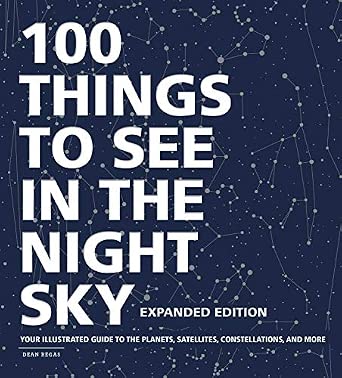 | Best Illustrated Sight List | Format: Illustrated guide | Edition: Expanded Edition | Number of sights: 100 | VIEW LATEST PRICE | See Our Full Breakdown |
| astronomy books for beginner | Format | Subject | Audience | ASIN |
|---|---|---|---|---|
| Astronomy for Beginners: An In | Not specified in the available product details | Astronomy | Beginners | — |
| NightWatch: A Practical Guide | Not specified | Viewing the universe | Not specified in the available product details | — |
| Astronomy: A Beginner’s Guide | Not specified | Astronomy | Beginners | B0CFS4C5W7 |
| 110 Things to See with a Teles | — | Telescope stargazing | Not specified in the available product details | — |
| Astronomy Activity Book for Ki | — | Astronomy, space, and stargazing | Kids | — |
| 50 Things to See with a Telesc | Book | — | Kids | — |
| The Ultimate Beginner Telescop | Guidebook | — | — | — |
| Astronomy: A Self-Teaching Gui | Self-teaching guide | Astronomy | — | 1620459906 |
| Astronomy for Beginners: Intro | Not specified | — | Beginners | B01MDRXKIW |
| National Geographic Stargazer’ | Atlas | Night sky | — | 1426222203 |
| Astronomy For Dummies: Book + | Book with online chapter quizzes | Astronomy | — | 139416307X |
| National Geographic Backyard G | Book | Astronomy | — | 1426220154 |
| Star Finder!: A Step-by-Step G | Not specified | Night sky | Beginners | 1465464751 |
| 110 Night Sky Treasures to See | Not specified | — | Kids and beginners | B0DYTVNWB4 |
| 100 Things to See in the Night | Illustrated guide | Night sky | — | 1507213816 |
More Details on Our Top Picks
Astronomy for Beginners: An Introduction to Space, the Cosmos, Galaxies, and Celestial Bodies
This title has the broadest stated subject range among the books here: it introduces space, the cosmos, galaxies, and celestial bodies rather than focusing only on observing targets or activities. That makes it a plausible first read for someone who wants a general sense of what astronomy covers before choosing a more specialized guide. Compared with NightWatch: A Practical Guide to Viewing the Universe, its description points more toward learning about astronomy as a field than planning an observing session. The tradeoff is limited information: the available details do not identify its structure, depth, illustrations, or specific topics, so I can’t judge how clearly it teaches newcomers. Readers who need a defined observing plan may prefer 110 Things to See with a Telescope.
Pros:- Covers several foundational subjects, including galaxies and celestial bodies
- Explicitly aimed at beginners
- Broad scope suits readers still deciding which parts of astronomy interest them
Cons:- Available product details do not describe the book’s format or teaching approach
- No specific chapters, activities, illustrations, or observing guidance are identified
- Its breadth may be less useful than a focused guide for readers ready to observe
Best for: New readers seeking an introductory overview across several astronomy topics before settling on a specific area of interest
Not ideal for: Beginners who want a clearly described observing curriculum, telescope targets, or confirmed details about the book’s format and contents
- Subject:Astronomy
- Audience:Beginners
- Topics:Space, the cosmos, galaxies, and celestial bodies
- Format:Not specified in the available product details
- Specific contents:Not specified beyond the listed topics
- ISBN/ASIN:B07S6QK131
Our verdict“Choose this for a broad, beginner-oriented introduction, but pick a telescope-target guide if practical observing is your priority.”
NightWatch: A Practical Guide to Viewing the Universe
The title makes this the clearest choice for beginners whose main goal is to view the universe, not simply read about astronomical subjects. Its practical framing sets it apart from Astronomy: A Beginner’s Guide (Science 101, Book 7), which is identified only as a general introductory guide. That distinction matters if you want a book organized around looking outward rather than building broad background knowledge. Still, the product information supplied here offers no details about equipment, charts, target lists, or the level of experience assumed. I would not treat the word “practical” as proof that it covers every observing need. Readers seeking a confirmed list of telescope targets may find 110 Things to See with a Telescope a more explicitly defined option.
Pros:- Viewing-focused title signals a practical orientation
- Aims at observing the universe rather than only presenting general astronomy topics
- Offers a distinct alternative to broad introductory guides
Cons:- Available details do not specify equipment guidance or observing methods
- No target list, chart information, or content outline is provided
- The intended experience level beyond the guide’s practical framing is not detailed
Best for: Beginners motivated to start viewing the night sky and looking for a guide framed around practical observing
Not ideal for: Readers who need confirmed star charts, telescope instructions, specific targets, or a clearly described theory-first course
- Subject:Viewing the universe
- Approach:Practical guide
- Audience:Not specified in the available product details
- Equipment guidance:Not specified
- Target list:Not specified
- Format:Not specified
- ISBN:0228104394
Our verdict“Pick this if getting started with observing is your main aim, and choose a target-list book if you want named objects confirmed upfront.”
Astronomy: A Beginner’s Guide (Science 101, Book 7)
This is the most clearly placed option for someone who prefers a beginner guide within a named science series. Its Science 101 label and position as Book 7 give it a defined series identity, although the supplied information does not explain whether it stands alone or builds on other volumes. Compared with Astronomy for Beginners: An Introduction to Space, the Cosmos, Galaxies, and Celestial Bodies, its title is less explicit about which astronomy topics it covers; its advantage is the series framing, not a documented difference in subject depth. The sparse description leaves the teaching style, format, and chapter content unknown. Beginners wanting a more directly activity-based route could instead choose the Astronomy Activity Book for Kids, while telescope users may prefer a viewing-focused title.
Pros:- Explicitly presented as a beginner’s guide
- Belongs to the Science 101 series
- Book number provides a clear series reference for readers familiar with the collection
Cons:- The supplied details do not identify its specific astronomy topics
- No information confirms whether it can be read independently of other series books
- Format and teaching approach are not described
Best for: Readers who like introductory science books organized in a named series and are comfortable checking whether this volume suits their needs
Not ideal for: Buyers who need a detailed topic list, confirmed standalone coverage, or a practical guide to observing with a telescope
- Subject:Astronomy
- Audience:Beginners
- Series:Science 101
- Book number:7
- Specific topics:Not specified in the available product details
- Format:Not specified
- ASIN:B0CFS4C5W7
Our verdict“Choose this if the Science 101 series format appeals to you, but favor a more fully described book if you need to know exactly what it teaches.”
110 Things to See with a Telescope: The World’s Most Famous Stargazing List
For a beginner who already has access to a telescope and wants a clear observing goal, the strongest promise here is the list of 110 things to see. That makes this more task-oriented than NightWatch: A Practical Guide to Viewing the Universe, whose supplied description names a practical viewing focus but no target count or list. A defined set of objects can help turn a vague plan to stargaze into a sequence of things to look for. The limitation is that the available description says nothing about how targets are explained, what equipment they require, or whether the book helps readers locate them. It is also narrower than a general introduction such as Astronomy for Beginners, so readers looking for broad background should start elsewhere.
Pros:- Provides a defined list of 110 telescope targets
- Stargazing focus gives beginners a concrete reason to use a telescope
- More explicitly target-led than the general viewing description for NightWatch
Cons:- Available details do not explain how to find or identify the listed objects
- No telescope requirements or skill level for the targets are specified
- A target list offers a narrower introduction than a broad astronomy overview
Best for: Beginner telescope owners who want a finite list of named observing goals to guide their sessions
Not ideal for: Readers without a telescope, or those seeking a broad astronomy course, equipment instruction, or confirmed locating charts
- Subject:Telescope stargazing
- Target count:110 things to see
- Audience:Not specified in the available product details
- Observing method:Telescope
- Target explanations:Not specified
- Locating charts:Not specified
- ISBN:172829231X
Our verdict“Choose this for a ready-made telescope observing list; pick a general guide if you first need astronomy fundamentals.”
Astronomy Activity Book for Kids: 100+ Fun Ways to Learn About Space and Stargazing
This is the clearest pick for children who learn better by doing than by reading a general introduction: it offers 100+ activities across astronomy, space, and stargazing. That hands-on emphasis separates it from Astronomy: A Beginner’s Guide (Science 101, Book 7), which is described as an introductory guide but has no activities listed in the supplied details. The activity count gives families a concrete sense of the book’s format, though it does not tell us what materials activities need or how much adult help they require. It also serves a different purpose from 110 Things to See with a Telescope: this is a kid-focused learning resource, not a confirmed telescope target list. Adults seeking a structured astronomy reference may prefer a general guide.
Pros:- Includes more than 100 activities
- Combines astronomy, space, and stargazing subjects
- Designed specifically for children
- Activity-led approach offers an alternative to text-focused beginner guides
Cons:- The supplied details do not identify a specific age range
- Materials and adult supervision needs are not described
- The product information does not confirm how much telescope instruction it includes
Best for: Parents, caregivers, and educators seeking an activity-led introduction to space and stargazing for children
Not ideal for: Adult beginners seeking a detailed reference, or families who need confirmed activity materials, age guidance, or telescope-specific instructions
- Subject:Astronomy, space, and stargazing
- Audience:Kids
- Activity count:100+
- Approach:Activity-based learning
- Age range:Not specified in the available product details
- Materials required:Not specified
- ISBN:0593435486
Our verdict“Choose this for a child who benefits from hands-on space learning, but select a general astronomy guide for an adult-focused reference.”
50 Things to See with a Telescope for Kids: A Constellation-Focused Approach
This guide gives young beginners a clear starting point: 50 telescope targets, arranged around constellations so children can connect individual sights to patterns in the sky. That structure may make planning an observing session easier than choosing targets from a broad general astronomy introduction. Compared with Astronomy Activity Book for Kids, this book’s stated focus is telescope observing rather than a wider mix of activities; compared with The Ultimate Beginner Telescope Guidebook, it offers a smaller target list and a specifically kid-oriented approach. The tradeoff is that the available product information doesn’t describe its charts, illustrations, difficulty guidance, or observing instructions. I’d choose it for a child who already has access to a telescope and wants a focused list, but not as a stand-alone source for learning astronomy’s wider concepts.
Pros:- Provides 50 targets to give observing sessions a defined starting list.
- Organizes the subject around constellations, linking targets to recognizable sky patterns.
- Designed specifically for kids rather than a general adult audience.
Cons:- The available information does not specify whether it includes star charts or step-by-step locating instructions.
- Its telescope-observing focus does not suggest broad coverage of astronomy concepts or history.
- The 50-target list is narrower than the over-250-target scope stated for The Ultimate Beginner Telescope Guidebook.
Best for: Children beginning telescope observing with an adult who can help locate constellations and set up equipment.
Not ideal for: Adults seeking a broad introduction to astronomy, or families who need confirmed details about charts, instructions, or age range before buying.
- Format:Book
- Audience:Kids
- Focus:Constellations and telescope observing
- Observing targets:50
- Organizing approach:Constellation-focused
- Title scope:Things to see with a telescope
Our verdict“Choose this for a child who wants a constellation-led telescope target list, and look elsewhere for a fuller astronomy course or confirmed observing charts.”
The Ultimate Beginner Telescope Guidebook: Over 250 Targets for Beginners
The clearest reason to pick this guide is its over-250-target list, which gives beginners a broad menu for planning telescope sessions. That scope sets it apart from 50 Things to See with a Telescope for Kids, whose stated list is shorter and tailored to younger observers. The title also identifies beginners as its audience, making it a more direct match for adults seeking telescope targets than an introductory survey such as Astronomy: A Self-Teaching Guide. The limit is that the available details say little about how targets are organized, whether charts or instructions are included, or whether the book covers the basics of telescope use. I’d favor it when target variety is the priority, but choose a more fully described guide if you need confirmed help with equipment, sky orientation, or observing technique.
Pros:- Lists over 250 targets, offering substantially more stated options than the 50-target kids’ guide.
- Explicitly aimed at beginners, rather than assuming advanced observing knowledge.
- Its telescope-specific scope is directly relevant to readers choosing objects to observe.
Cons:- The available description does not confirm charts, target explanations, or step-by-step locating guidance.
- No details establish whether it teaches telescope setup or core astronomy concepts.
- The intended audience is described generally as beginners, with no specific age guidance.
Best for: New telescope owners who want a large target list to draw from while learning what to observe.
Not ideal for: Beginners who need verified star charts, telescope setup guidance, or a broader astronomy curriculum alongside target ideas.
- Intended audience:Beginners
- Target count:Over 250
- Primary subject:Telescope observing targets
- Experience level:Beginner
- Format:Guidebook
- Title scope:Telescope targets
Our verdict“Pick this if a large beginner-oriented target list matters most, but seek a better-documented guide if you need confirmed charts or equipment instruction.”
Astronomy: A Self-Teaching Guide, Eighth Edition
For a beginner who wants to learn astronomy as a subject rather than start with a list of things to view, this self-teaching guide is the most study-oriented choice in this group. Its eighth-edition label distinguishes it from the brief, topic-specific introduction in Astronomy for Beginners: Introduction to the Solar System and a Brief History of Astronomy, while its stated format suggests a more guided learning approach than a night-sky atlas. That distinction matters if your goal is to build understanding before choosing observing targets. The product details do not describe lessons, exercises, illustrations, or the topics covered, though, so I can’t confirm how interactive or beginner-friendly the instruction is. Compared with the target-heavy The Ultimate Beginner Telescope Guidebook, this is a better fit for learning astronomy broadly, not for assembling a telescope observing list.
Pros:- The self-teaching format is explicitly suited to independent study.
- Offers a contrast to books focused narrowly on telescope targets.
- The eighth-edition designation gives readers a clear edition identifier.
Cons:- The available product information does not state which astronomy topics are covered.
- No details confirm the presence of exercises, quizzes, diagrams, or other learning aids.
- It is not presented as a telescope observing guide with a stated target list.
Best for: Independent learners who prefer a self-guided astronomy book over a telescope target list.
Not ideal for: Readers primarily seeking sky maps, specific objects to observe, or confirmed information about exercises and visual materials.
- Format:Self-teaching guide
- Edition:Eighth Edition
- Subject:Astronomy
- Learning approach:Self-teaching
- Title scope:Astronomy guide
- ASIN:1620459906
Our verdict“Choose this for self-directed astronomy study, not if your immediate goal is finding objects to view through a telescope.”
Astronomy for Beginners: Introduction to the Solar System and a Brief History of Astronomy
This is the most clearly defined introductory overview in the group: it pairs the solar system with a brief history of astronomy, giving newcomers two accessible entry points into the subject. That makes it a different choice from National Geographic Stargazer’s Atlas, which is identified as an atlas for exploring the night sky, and from The Ultimate Beginner Telescope Guidebook, which emphasizes observing targets. I’d choose this when the aim is to understand what astronomy studies and how its ideas developed, rather than to plan a telescope session. Its stated scope is also a limit: readers wanting detailed sky maps, hands-on activities, or a substantial course may need another book. The available information does not specify format, length, illustrations, or how deeply either topic is treated.
Pros:- Clearly identifies the solar system as a core topic for beginners.
- Adds a brief history of astronomy rather than focusing only on celestial objects.
- The stated beginner audience makes its level of entry clear.
Cons:- The description does not establish how much depth the solar system or history sections provide.
- No observing targets or atlas features are specified.
- Format, length, illustrations, and learning aids are not provided in the available data.
Best for: Newcomers who want an introductory explanation of the solar system and a short account of astronomy’s history.
Not ideal for: Hands-on skywatchers looking for confirmed star maps, telescope targets, or a detailed course with specified learning materials.
- Audience:Beginners
- Main topic:Solar system
- Additional topic:Brief history of astronomy
- Subject scope:Astronomy and the universe
- Format:Not specified
- ASIN:B01MDRXKIW
Our verdict“Pick this for a first overview of the solar system and astronomy’s history, and choose an atlas or target guide for practical skywatching.”
National Geographic Stargazer’s Atlas: The Ultimate Guide to the Night Sky
Its atlas identity makes this the most map-oriented option in this batch: National Geographic Stargazer’s Atlas is presented as a guide to exploring the night sky, not as a general astronomy lesson or a telescope target checklist. That gives it a distinct role beside Astronomy for Beginners: Introduction to the Solar System and a Brief History of Astronomy, which focuses on concepts and history, and 50 Things to See with a Telescope for Kids, which supplies a defined observing list. An atlas can suit beginners who want a visual reference while learning the sky, but the available details don’t confirm its map format, coverage, observing instructions, or level of explanation. I’d choose it for reference-led exploration, not if you need a verified beginner curriculum or clearly stated telescope targets.
Pros:- The atlas format is directly relevant to exploring the night sky.
- Provides a different approach from astronomy primers that focus on solar-system concepts and history.
- The National Geographic title signals a reference-oriented guide rather than a kids’ observing list.
Cons:- The available description gives no specifics about maps, charts, or sky coverage.
- No beginner skill level or teaching method is stated.
- The description does not confirm telescope targets or equipment guidance.
Best for: Beginning skywatchers who want a night-sky atlas as a reference while exploring constellations and celestial objects.
Not ideal for: Readers who need confirmed telescope targets, step-by-step lessons, or details about the atlas’s maps and coverage before buying.
- Format:Atlas
- Publisher brand in title:National Geographic
- Subject:Night sky
- Stated use:Exploring the night sky
- Title scope:Guide to the night sky
- ASIN:1426222203
Our verdict“Choose this if you want a night-sky atlas for reference, but opt for a clearly described primer or target list if you need structured beginner instruction.”
Astronomy For Dummies: Book + Chapter Quizzes Online
The clearest point of difference here is the inclusion of online chapter quizzes: they give beginners a way to check what they have retained instead of relying on reading alone. That makes this a better fit for someone who likes a structured learning loop than Star Finder!, whose supplied details focus on step-by-step sky orientation. The available product information does not describe the book’s topics, layout, or level of observing instruction, so I would not choose it on the assumption that it includes charts or telescope targets. Its main tradeoff is that the quizzes require an online component, while the book’s practical observing value is not specified. I’d rank it for readers who want a general introduction with built-in knowledge checks, rather than a clearly chart-led field guide.
Pros:- Online chapter quizzes offer a way to review material after reading
- Pairs a book format with an additional learning resource
- The quiz structure may suit readers who prefer guided, self-paced study
Cons:- Provided product details do not identify the subjects or depth covered
- No star charts, observing instructions, or telescope targets are confirmed
- Using the quizzes depends on access to the online component
Best for: Beginners who prefer reading a topic and then checking their understanding with online chapter quizzes
Not ideal for: Backyard observers seeking confirmed star charts, sky maps, or telescope-target lists, since those features are not specified
- Format:Book with online chapter quizzes
- Subject:Astronomy
- Level:Introductory
- Supplement:Online chapter quizzes
- Title:Astronomy For Dummies
- ASIN:139416307X
Our verdict“Choose this if chapter quizzes help you learn, but pick the National Geographic Backyard Guide to the Night Sky if practical sky charts are your priority.”
National Geographic Backyard Guide to the Night Sky, 2nd Edition
This is the strongest pick in this group for a beginner who wants to take a book outside and use it to recognize what is overhead. Its star charts and celestial maps support practical skyfinding, while the accessible explanations help connect those sights to basic astronomy. Compared with 100 Things to See in the Night Sky, Expanded Edition, this guide is described more explicitly as a tool for navigating the sky, rather than a collection organized around a set number of sights. The tradeoff is that it may not satisfy readers who want advanced observing detail, and a printed chart cannot adapt to a location or time the way an astronomy app can. I’d put it ahead of the quiz-led Astronomy For Dummies for hands-on backyard use, but not for interactive learning.
Pros:- Detailed star charts and celestial maps support practical night-sky orientation
- Accessible explanations make it approachable for beginners
- Covers identifying constellations, planets, and other night-sky phenomena
- Published by National Geographic
Cons:- May not provide enough depth for advanced amateur astronomers
- Printed maps are less interactive than digital astronomy apps
- The supplied information does not specify chart scale or observing conditions
Best for: New backyard observers who want accessible explanations plus printed charts for finding constellations, planets, and other sky phenomena
Not ideal for: Advanced amateurs who need in-depth observing coverage or beginners who want an interactive, location-aware digital guide
- Publisher:National Geographic
- Edition:2nd
- Subject:Astronomy
- Format:Book
- Focus:Backyard amateur astronomy
- Included references:Star charts and celestial maps
- ASIN:1426220154
Our verdict“Pick this for a chart-led introduction to observing from your backyard; choose 100 Things to See in the Night Sky if a numbered illustrated sight list appeals more.”
Star Finder!: A Step-by-Step Guide to the Night Sky
Star Finder! earns its place through a clear promise: a step-by-step approach to finding your way around the night sky. That makes it a distinct choice for someone who feels unsure where to begin when looking up. Unlike National Geographic Backyard Guide to the Night Sky, the supplied details do not confirm detailed charts, celestial maps, or coverage of specific objects, so I would not assume it offers the same reference tools. Its advantage is the focused, guided premise; its limitation is how little is known about the book’s actual contents, format, and observing methods. I’d choose it for readers seeking a straightforward orientation guide, but favor National Geographic for confirmed map-based support or 110 Night Sky Treasures to See with a Telescope for a telescope-focused outing.
Pros:- Step-by-step framing gives beginners a clear learning premise
- Focuses on finding one’s way around the night sky
- A distinct alternative to broader astronomy introductions
Cons:- Provided details do not specify charts, maps, or illustrations
- The range of objects and concepts covered is not described
- No format or additional learning materials are specified
Best for: First-time observers who want a guided introduction to finding their way around the night sky
Not ideal for: Readers who need confirmed star charts, telescope targets, or detailed information about the book’s format and contents before choosing
- Format:Not specified
- Subject:Night sky
- Approach:Step-by-step guide
- Intended use:Finding your way around the night sky
- Audience:Beginners
- ASIN:1465464751
Our verdict“Choose this for a focused, step-by-step sky orientation guide, but select the National Geographic Backyard Guide if you want confirmed charts and maps.”
110 Night Sky Treasures to See with a Telescope: A Stargazing Guide for Kids and Beginners
This guide is the most clearly aimed at kids and beginner telescope users in the group. Its list of 110 night-sky treasures gives an observing session a concrete goal, and its stated range—from planets and constellations to distant galaxies—can help newcomers see that astronomy reaches beyond the Moon and nearby planets. Compared with Star Finder!, which focuses on learning one’s way around the sky, this title is specifically framed around viewing objects through a telescope. That focus is also its limitation: it may be less suitable for readers without a telescope or for adults seeking a broad, detailed astronomy primer. The supplied description does not specify charts, difficulty levels, or equipment guidance, so I’d treat it as an observing prompt rather than assume it provides a complete telescope course.
Pros:- Designed for kids and astronomy beginners
- Offers 110 named observing targets
- Includes a stated range of planets, constellations, and distant galaxies
- Encourages hands-on telescope use
Cons:- Telescope focus may limit its usefulness for readers observing without one
- The supplied details do not confirm charts or directions for locating targets
- No information is provided about equipment guidance or target difficulty
Best for: Families with children or new observers who already have access to a telescope and want a list of sights to seek out
Not ideal for: Readers without a telescope or adults seeking a detailed introduction to astronomy concepts, since the description centers on telescope observing
- Format:Not specified
- Audience:Kids and beginners
- Number of sights:110
- Observing method:Telescope
- Topics:Planets, constellations, and distant galaxies
- ASIN:B0DYTVNWB4
Our verdict“Choose this for a young beginner with a telescope and a target list in mind; choose Star Finder! for general night-sky orientation.”
100 Things to See in the Night Sky, Expanded Edition: Your Illustrated Guide to the Planets, Satellites, Constellations, and More
The appeal here is its illustrated guide to 100 night-sky sights, spanning planets, satellites, constellations, and more. That makes it a useful choice for a beginner who would rather browse a defined set of things to look for than follow a lesson sequence. Compared with 110 Night Sky Treasures to See with a Telescope, this title is not described as telescope-specific, so it may suit broader casual skywatching; the other guide has the clearer fit for young observers planning telescope sessions. The tradeoff is that the supplied details do not say whether the illustrations include locating charts, how the entries are arranged, or how much explanatory astronomy each provides. I’d rank it as a visual checklist-style introduction, not as a substitute for the confirmed maps in the National Geographic Backyard Guide.
Pros:- Organizes the guide around 100 sights to see
- Illustrated format gives the title a visual reference focus
- Includes planets, satellites, and constellations
- Expanded Edition is identified in the supplied product details
Cons:- The supplied details do not confirm locating charts or directions
- Depth of explanation for each sight is not specified
- No telescope guidance or observing requirements are described
Best for: Casual beginners who want an illustrated checklist of varied night-sky sights, including satellites and constellations
Not ideal for: Readers who need confirmed sky maps, step-by-step locating directions, or telescope-specific observing instruction
- Format:Illustrated guide
- Edition:Expanded Edition
- Number of sights:100
- Topics:Planets, satellites, constellations, and more
- Subject:Night sky
- ASIN:1507213816
Our verdict“Choose this for an illustrated, varied list of sights, but pick the National Geographic Backyard Guide if finding objects with charts matters more.”
How We Picked
I ranked these astronomy books for beginners by how well their stated format and subject matter help a new reader take a useful next step. I weighed clarity and scope for learning basic astronomy, practical value for identifying or observing objects, and how readily a reader can use the book without prior knowledge or specialized equipment. I also separated general introductions from atlases, target lists, self-teaching texts, and children’s activity books, since each meets a different beginner need.
NightWatch leads because its practical observing focus gives newcomers a clear bridge from learning to looking at the sky. Broad instructional books and self-teaching guides follow for readers who want a more systematic foundation; atlases and step-by-step guides rank well for orientation, but are narrower as standalone introductions. Telescope-target books and children’s titles are placed according to their specific audiences and uses, not treated as substitutes for a general astronomy primer. The ranking reflects those distinct roles and the tradeoffs implied by each book’s title and format.
| astronomy books for beginner | Subject | Audience |
|---|---|---|
| Astronomy for Beginners: An In | Astronomy | Beginners |
| NightWatch: A Practical Guide | Viewing the universe | Not specified in the available product details |
| Astronomy: A Beginner’s Guide | Astronomy | Beginners |
| 110 Things to See with a Teles | Telescope stargazing | Not specified in the available product details |
| Astronomy Activity Book for Ki | Astronomy, space, and stargazing | Kids |
| 50 Things to See with a Telesc | — | Kids |
| The Ultimate Beginner Telescop | — | — |
| Astronomy: A Self-Teaching Gui | Astronomy | — |
| Astronomy for Beginners: Intro | — | Beginners |
| National Geographic Stargazer’ | Night sky | — |
| Astronomy For Dummies: Book + | Astronomy | — |
| National Geographic Backyard G | Astronomy | — |
| Star Finder!: A Step-by-Step G | Night sky | Beginners |
| 110 Night Sky Treasures to See | — | Kids and beginners |
| 100 Things to See in the Night | Night sky | — |
Factors to Consider When Choosing Astronomy Books For Beginners
Before choosing, decide what you want to do after reading: understand the universe, locate objects, plan a telescope session, or share astronomy with a child. That choice matters more than whether a title calls itself a beginner guide. The following points can help you avoid buying a useful book for the wrong kind of learning.
Choose Between Learning Astronomy and Observing the Sky
A broad introduction explains ideas such as planets, stars, galaxies, and the history of astronomy; an observing guide helps you identify what is visible and where to look. These goals overlap, but one kind of book may not teach the other well. New readers often buy an atlas expecting a course in astronomy, or a general science book expecting clear directions for a night outdoors. Decide which gap you want to fill first. If you want both, pairing one introductory book with a practical sky guide can work better than expecting one volume to cover everything. That approach also helps you judge whether a specialist title is a useful next step.
Match the Guide to Your Equipment and Observing Conditions
A telescope-target book can be motivating, but its usefulness depends on having access to a telescope and skies where its targets can be found. If you have no equipment yet, start with naked-eye observing or a general guide before buying a book built around telescope sessions. City lights, local weather, and the time you can spend outdoors also affect which observing plans are realistic. A long list of targets is not automatically more helpful than a shorter, clearly organized selection. Check whether the book’s intended activity fits your current setup, rather than buying for equipment you may acquire later. That can prevent a target guide from sitting unused while you are still learning the sky.
Pick a Learning Format You Will Keep Using
Some beginners retain more from a structured lesson, while others prefer diagrams, quizzes, maps, or hands-on activities. Self-teaching formats offer a way to check understanding, but may feel more like a course than casual reading. Illustrated atlases can make sky orientation easier, though maps are most useful when you can consult them in the conditions where you observe. For a child, short activities and age-appropriate tasks may sustain interest better than a dense reference. Think about whether you will read at home, use the book outdoors, or share it with someone else. The format should fit the moment you plan to use it.
Check the Intended Age and Reading Level
“Beginner” can mean an adult new to astronomy, a family learning together, or a child encountering the night sky for the first time. Children’s activity books and constellation-focused guides tend to emphasize participation and accessible targets, while adult introductions may spend more time on scientific explanations. A book that is too simple can leave an adult wanting more context; one that is too technical can make a child’s first experience feel like homework. Consider who will be reading independently and who will be guiding the activity. For shared family use, a child-friendly observing guide may work alongside an adult reference rather than replacing it. This distinction helps set realistic expectations for depth.
Decide Whether You Need One Book or a Small Pair
Beginners often expect a single book to teach astronomy, explain equipment, identify constellations, and supply observing targets. Those are separate jobs, and a title that excels at one may only touch on the others. A practical combination might pair a clear foundational text with an atlas or target list, chosen after you know what you want to observe. Avoid buying several books with nearly identical introductory coverage before you have used one. If you are unsure where your interest will lead, choose the broadest format that matches your immediate goal, then add a specialist guide later. This keeps the first choice focused without requiring a full library.
Frequently Asked Questions
Should I start with a general astronomy book or a sky atlas?
Choose a general introduction if you want to understand what celestial objects are and how astronomy developed. Choose an atlas if your immediate aim is to orient yourself and identify objects in the sky. An atlas can be visually useful without explaining the science in much depth, while an introductory text may not give enough practical help for locating targets. If you are unsure, begin with the kind of learning you are most likely to do regularly. You can add the other format once you know what is missing.
Can I use a telescope target book before I own a telescope?
You can read one in advance, but its target lists may have limited practical value until you have access to suitable equipment. Some beginner observing can start with the unaided eye, yet a telescope-focused guide is written around a narrower activity. If you are still deciding whether to buy a telescope, a general introduction or a sky-orientation guide may help you build interest first. Also think about where you will observe: local light and weather can affect how often you can use equipment. Choose a target book when planning observations is part of your near-term goal.
Which kind of astronomy book works best for a child and an adult reading together?
A child-focused activity or observing guide can give the pair simple tasks to do together, while an adult reference can provide extra explanations when questions go beyond the activity. Age and reading confidence matter more than a broad “family” label. A younger child may prefer short, concrete activities; an older child may enjoy a wider target list or more detailed science. Before choosing, check whether the book expects a telescope or can be used with the naked eye. A shared book is most useful when both readers can take part without the adult doing all the reading.
Are quizzes useful for learning astronomy, or should I choose an illustrated guide?
Quizzes help readers check whether they understood concepts and can be a good fit for people who like step-by-step learning. Illustrated guides make visual ideas and sky orientation easier to follow, particularly when you want a reference rather than a lesson sequence. Neither format is automatically better: the right one depends on whether you learn by testing yourself or by consulting diagrams and maps. A quiz-based book may feel less casual, while a visual guide may leave gaps in the underlying science. If you can, choose based on the way you already prefer to learn new subjects.
Is one beginner astronomy book enough, or should I buy separate guides?
One book can be enough to get started if it matches your main goal, but few formats cover every need equally well. A general primer may explain astronomy without serving as a field guide; an atlas or telescope list may help with observing but offer less scientific background. Start with the book that answers your immediate question, then add a second only when you find a clear gap. This is especially helpful if you are not yet sure whether you prefer reading about space or observing it. A focused pair is often more useful than several overlapping introductions.
Conclusion
For most adults who want both accessible learning and a practical path toward observing, I recommend NightWatch as the best overall choice. For a more structured study routine, Astronomy: A Self-Teaching Guide is my best value-style pick, while National Geographic Stargazer’s Atlas is the best premium-style choice for readers who prioritize a visual sky reference. Complete beginners who want a broad, approachable starting point should compare Astronomy For Dummies with Astronomy: A Beginner’s Guide and choose the format that feels easiest to keep reading. For children and family sessions, look to the activity and kid-focused telescope guides; for telescope owners seeking observing ideas, choose a dedicated target list such as 110 Things to See with a Telescope. Pick by the job you want the book to do, and the word “beginner” becomes a much more useful filter.