The best reference books for students give quick, reliable help in a specific subject or study task. I’d put Science Desk Reference first for its broad subject coverage, while Harvard Referencing Made Easy and The Infographic Guide to College stand out for citation help and visual campus guidance. The main tradeoff is breadth versus focus: a general reference can cover more ground, while a subject-specific or compact guide is easier to consult for a particular need. Students should also weigh print format and reading level against how often they expect to use the book. Read on for my full comparison and picks by student type.

Prime made for students and young adults
- Fast, free delivery for dorm and study essentials
- Prime Video and Amazon Music included
- Member-only deals
Key Takeaways
- Science Desk Reference is the broadest academic pick in this lineup, while the Oxford science and biology dictionaries serve narrower subject needs.
- Harvard Referencing Made Easy and Cite It Right target the same citation task; students should choose based on which guide’s explanations and examples better match their coursework.
- MDpocket Medical Reference Guide and the laminated Medical Terminology: The Basics prioritize quick access, but they are not substitutes for a full medical textbook.
- The list spans very different study stages: Everyday Mathematics Student Reference Book is grade-specific, while the college and general-knowledge titles address broader student needs.
- Format affects usefulness as much as subject: a pocket guide or laminated sheet favors quick checks, while desk references and dictionaries offer more room for broader consultation.
| Cite It Right: Harvard Referencing Guide |  | Best for Harvard Referencing | Title: Cite It Right: Harvard Referencing Guide | ASIN: B0HDFWCXGB | Reference style: Harvard | VIEW LATEST PRICE | See Our Full Breakdown |
| Shop Reference for Students & Apprentices, Volume 1 |  | Best for Shop and Apprenticeship Study | Title: Shop Reference for Students & Apprentices, Volume 1 | ASIN: 0831130792 | Audience: Students and apprentices | VIEW LATEST PRICE | See Our Full Breakdown |
| Science Desk Reference (The New York Public Library Series) |  | Best for Broad Science Lookup | Title: Science Desk Reference | ASIN: B0011QPJVM | Series: The New York Public Library Series | VIEW LATEST PRICE | See Our Full Breakdown |
| MDpocket Medical Reference Guide: Mini Student Edition 2026 |  | Best Compact Medical Reference | Title: MDpocket Medical Reference Guide: Mini Student Edition 2026 | ASIN: B01NH00XQN | Edition: Mini Student Edition | VIEW LATEST PRICE | See Our Full Breakdown |
| The Infographic Guide to College: A Visual Reference for Everything You Need to Know |  | Best Visual College Companion | Title: The Infographic Guide to College: A Visual Reference for Everything You Need to Know | ASIN: 1507203365 | Series: Infographic Guide Series | VIEW LATEST PRICE | See Our Full Breakdown |
| Medical Terminology: The Basics — QuickStudy Laminated Reference Guide |  | Best for Quick Medical-Term Checks | Format: Laminated reference guide | Length: 6 pages | Organization: Alphabetical entries in color-separated tables | VIEW LATEST PRICE | See Our Full Breakdown |
| Everyday Mathematics Student Reference Book, Grade 4 |  | Best for Grade-Specific Math Support | Grade: 4 | Publisher/project: University of Chicago School Mathematics Project | Resource type: Student reference book | VIEW LATEST PRICE | See Our Full Breakdown |
| Harvard Referencing Made Easy: A No-Stress Guide for Students |  | Best for Harvard Citation Help | Topic: Harvard referencing | Intended audience: Students | Examples: University examples for citations and references | VIEW LATEST PRICE | See Our Full Breakdown |
| Student’s Encyclopedia of General Knowledge | 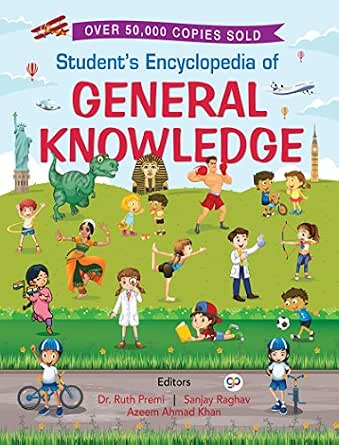 | Best for Broad Topic Browsing | Resource type: General knowledge encyclopedia | Intended audience: Students, teachers, and parents | Subject scope: General knowledge | VIEW LATEST PRICE | See Our Full Breakdown |
| A Dictionary of Science (Oxford Quick Reference) |  | Best for Science-Term Lookups | Resource type: Science dictionary | Series: Oxford Quick Reference | Subject: Science | VIEW LATEST PRICE | See Our Full Breakdown |
| Houghton Mifflin Essential Desk Reference Set, Paperback, 3-Book Set |  | Best for Everyday Writing Support | Format: Paperback | Number of books: 3 | Dictionary: Webster’s II New Riverside Dictionary; 60,000 definitions; 864 pages | VIEW LATEST PRICE | See Our Full Breakdown |
| A Dictionary of Biology (Oxford Quick Reference) |  | Best for Biology Coursework | Series: Oxford Quick Reference | Reference type: Dictionary | Subject: Biology | VIEW LATEST PRICE | See Our Full Breakdown |
| The Oxford Dictionary of Literary Terms |  | Best for Literature and English Classes | Series: Oxford Quick Reference | Reference type: Dictionary | Subject: Literary terms | VIEW LATEST PRICE | See Our Full Breakdown |
| reference books for student | Format | ASIN |
|---|---|---|
| Cite It Right: Harvard Referen | Not specified | B0HDFWCXGB |
| Shop Reference for Students & | Not specified | 0831130792 |
| Science Desk Reference | Not specified | B0011QPJVM |
| MDpocket Medical Reference Gui | — | B01NH00XQN |
| The Infographic Guide to Colle | Visual reference guide | 1507203365 |
| Medical Terminology: The Basic | Laminated reference guide | — |
| Everyday Mathematics Student R | — | — |
| Harvard Referencing Made Easy: | Not provided | — |
| Student’s Encyclopedia of Gene | Not provided | — |
| A Dictionary of Science | Not provided | — |
| Houghton Mifflin Essential Des | Paperback | — |
| A Dictionary of Biology | — | 0198821484 |
| The Oxford Dictionary of Liter | Not provided | 0198715447 |
More Details on Our Top Picks
Cite It Right: Harvard Referencing Guide
Harvard-style citation practice is the clear focus here: the available description says the guide includes examples drawn from universities. That makes it a more targeted choice for students who need to format academic references than The Infographic Guide to College, whose stated purpose is broader and visual. University examples may help readers connect citation rules to coursework, but the listing provides no details about source types, edition, length, or how the guide handles differing institutional rules. I would choose it for a specific Harvard referencing need, not as a general study reference. Compared with Harvard Referencing Made Easy: A No-Stress Guide for Students, the supplied information gives this title an explicit university-example angle, but not enough detail to judge which is more thorough.
Pros:- Focuses specifically on Harvard referencing
- Includes examples from universities
- Has a clear academic assignment use case
Cons:- The available product information does not specify which source types are covered
- No edition, length, or format details are provided
- Institutional referencing rules can vary, and the description does not explain how variations are addressed
Best for: Students whose course requires Harvard referencing and who want university-based examples to consult while preparing assignments.
Not ideal for: Students seeking a broad subject reference or a guide with confirmed coverage of particular source types, since those details are not provided.
- Title:Cite It Right: Harvard Referencing Guide
- ASIN:B0HDFWCXGB
- Reference style:Harvard
- Stated content:Referencing examples
- Example source:Universities
- Format:Not specified
Our verdict“Choose this for university-based Harvard examples, but check the full listing if you need confirmed coverage of specific sources or citation rules.”
Shop Reference for Students & Apprentices, Volume 1
Practical shop-study focus gives this title a distinct place among these student references: its title names students and apprentices, rather than a general academic audience. The volume designation also signals that it belongs to a numbered set, which may matter to readers building a series. Unlike Science Desk Reference (The New York Public Library Series), this is not presented as a broad science reference; its likely fit is vocational or shop-related study. The available description does not identify its specific trades, topics, diagrams, or level, so I would verify those details before relying on it for a particular program. That lack of detail makes it a less certain pick than a clearly scoped guide, but a more focused prospect for shop learners.
Pros:- Explicitly aimed at students and apprentices
- Shop reference focus distinguishes it from general study books
- Volume number helps identify its place in a series
Cons:- The available description does not name trades or topics covered
- No format, length, or edition information is supplied
- The listing does not establish whether it matches a particular course or training standard
Best for: Trade-school students and apprentices looking for a shop-oriented reference to accompany practical training, after confirming that its subject coverage matches their program.
Not ideal for: Students who need a general academic reference or a confirmed guide for a specific trade, since the available description names no subject areas.
- Title:Shop Reference for Students & Apprentices, Volume 1
- ASIN:0831130792
- Audience:Students and apprentices
- Reference focus:Shop reference
- Volume:1
- Format:Not specified
Our verdict“This is a plausible companion for shop-based study, provided the full listing confirms that Volume 1 covers the reader’s trade.”
Science Desk Reference (The New York Public Library Series)
General science lookup is the role suggested by this desk-reference title and its New York Public Library series association. For students who want a science-focused book rather than one tied to a single subject, it offers a different scope from A Dictionary of Biology (Oxford Quick Reference), which is explicitly biology-specific. That breadth could suit cross-disciplinary reading, but the supplied information does not list fields, entries, diagrams, reading level, or publication details, so I cannot tell how useful it is for a particular syllabus. It also has less clearly defined student support than Everyday Mathematics Student Reference Book, Grade 4, which names its grade level and subject. I would treat this as a general science desk companion, not a replacement for course-specific materials.
Pros:- Clearly identified as a science desk reference
- The general science framing may suit cross-subject lookups
- Part of The New York Public Library Series
Cons:- No subject list or entry examples are supplied
- Student level and curriculum fit are unspecified
- No edition, format, or length details are provided
Best for: Students who want a general science reference for occasional lookups across more than one scientific subject.
Not ideal for: Students preparing for a specific science course or needing verified coverage of a particular field, since the available product data gives no topic list or level.
- Title:Science Desk Reference
- ASIN:B0011QPJVM
- Series:The New York Public Library Series
- Reference focus:Science
- Book type:Desk reference
- Format:Not specified
Our verdict“Consider it for broad science lookups, but choose a subject-specific reference when your coursework requires known coverage.”
MDpocket Medical Reference Guide: Mini Student Edition 2026
Mini format and the explicit Student Edition label make this the most clearly portable, student-directed medical option in this group. Its 2026 designation also gives buyers a year to check against their course needs, though the supplied data does not describe its contents or update policy. Compared with Medical Terminology: The Basics — QuickStudy Laminated Reference Guide, which is centered on terminology, this guide is positioned as a broader medical reference; the listing does not say what subjects that breadth covers. The small-format intent is useful for students who want a reference they can carry, but it may be less suited to detailed study than a full-length desk book. I would confirm its topic coverage before treating it as a course or clinical reference.
Pros:- Identified as a student edition
- Mini format is intended for portability
- 2026 edition year is specified
- Medical reference focus differentiates it from general student books
Cons:- The available description does not identify topics or reference content
- No dimensions, page count, or format details are supplied
- The listing does not describe how current information is maintained
Best for: Medical students or trainees who want a compact, student-oriented reference and can verify that its contents match their current coursework.
Not ideal for: Students needing detailed subject coverage, a confirmed clinical tool, or a reference whose contents and update policy are clearly described.
- Title:MDpocket Medical Reference Guide: Mini Student Edition 2026
- ASIN:B01NH00XQN
- Edition:Mini Student Edition
- Year:2026
- Reference focus:Medical
- Stated format:Mini
Our verdict“Pick this for a portable medical reference if the full listing confirms the subject coverage your studies require.”
The Infographic Guide to College: A Visual Reference for Everything You Need to Know
Visual presentation is this book’s clearest differentiator: it is described as a college reference in the Infographic Guide Series. That gives it a different job from Cite It Right: Harvard Referencing Guide, which addresses a specific academic task, and may make it more approachable for students seeking college information in a visual format. The title promises wide-ranging college guidance, but the supplied description does not identify the topics, infographic style, or level of detail. That uncertainty limits how confidently I can recommend it for a specific need, such as study skills or campus logistics. It is best treated as a visual overview rather than a substitute for focused subject references or a detailed handbook. Students who prefer prose-based explanations may find its format less suitable.
Pros:- Uses a visual reference format
- College-focused title gives it a broad student-life orientation
- Part of the Infographic Guide Series
Cons:- The available description does not specify which college topics it covers
- No detail is provided about depth or intended student level
- A visual format may not suit readers who prefer extended text explanations
Best for: College-bound students who prefer visual material and want a general college-oriented reference rather than a subject-specific study book.
Not ideal for: Students looking for detailed coverage of a named topic, traditional prose explanations, or a verified guide to a particular college task.
- Title:The Infographic Guide to College: A Visual Reference for Everything You Need to Know
- ASIN:1507203365
- Series:Infographic Guide Series
- Format:Visual reference guide
- Reference focus:College
- Format details:Infographic-based presentation indicated by the series and description
Our verdict“Choose this as a visual college companion, not as a stand-in for a detailed reference on a specific academic subject.”
Medical Terminology: The Basics — QuickStudy Laminated Reference Guide
This six-page laminated guide is built for fast lookups rather than full lessons. Its tables cover word foundations, body terminology, and common medical terms, while alphabetical entries and color separation help students locate information without paging through a textbook. Compared with MDpocket Medical Reference Guide: Mini Student Edition 2026, this guide is focused on terminology rather than broader clinical reference needs; that makes it a better fit for vocabulary practice, but a narrower study tool. The laminated format suits frequent desk or bag use, though it does not add depth: six pages limit explanation and examples. I would use it as a companion to course materials, not as a standalone resource for learning medical language.
Pros:- Laminated pages are designed to hold up to frequent handling
- Compact layout supports quick checks during study
- Covers prefixes, roots, and suffixes alongside common terms
- Color-separated tables and alphabetical entries support scanning
Cons:- Six pages leave little room for detailed explanations
- A quick-reference aid cannot replace a course text or fuller medical dictionary
Best for: Medical terminology students who want a compact, durable prompt sheet for reviewing word parts and common terms
Not ideal for: Learners who need detailed explanations, extensive examples, or a broad medical reference beyond terminology
- Format:Laminated reference guide
- Length:6 pages
- Organization:Alphabetical entries in color-separated tables
- Word foundations:Prefixes, roots, and suffixes
- Terminology topics:Body, directional, diagnostic, and procedure terms
- Additional topics:Numerical values, pathogens, colors, five senses, synonyms, and glossary
Our verdict“Choose this guide for durable, fast medical-vocabulary checks, but pair it with a fuller resource for learning concepts in depth.”
Everyday Mathematics Student Reference Book, Grade 4
Grade 4 focus gives this book a clear role: it is intended as a student reference for a particular stage of elementary mathematics, rather than a general math encyclopedia. The University of Chicago School Mathematics Project connection may make it a useful companion for students following that program, while the grade designation helps families and teachers judge whether the level fits. Compared with Student’s Encyclopedia of General Knowledge, this is the more targeted choice for math study; it is also less suited to broad reading or cross-subject lookup. The available product details do not specify its topics, layout, or length, so I would not assume it matches a particular classroom method without checking the edition. Its narrow grade band is a strength for fit, but a limitation as students move ahead.
Pros:- Clearly identified for Grade 4 learners
- Designed as a student reference rather than a general adult math resource
- Associated with the University of Chicago School Mathematics Project
Cons:- Provided details do not identify the specific math topics or reference features
- Grade-specific scope may become less useful as a student advances
- Program alignment may not match every classroom’s terminology or sequence
Best for: Fourth-grade students and caregivers seeking a grade-labeled mathematics reference connected with the University of Chicago School Mathematics Project
Not ideal for: Students outside Grade 4 or buyers who need confirmed topic coverage, detailed format information, or a cross-grade math reference
- Grade:4
- Publisher/project:University of Chicago School Mathematics Project
- Resource type:Student reference book
- Subject:Mathematics
- Intended audience:Grade 4 students
- Format details:Not provided
Our verdict“Pick this for a Grade 4 student using the associated math program, but verify the edition and topic coverage before relying on it as a course companion.”
Harvard Referencing Made Easy: A No-Stress Guide for Students
Harvard referencing is the whole point here, which makes this a more focused choice than a broad academic-skills reference. The guide is described as including university examples for citations and references, giving students a way to compare their own source details with sample formats. That specificity separates it from Cite It Right: Harvard Referencing Guide, another Harvard-focused option in this roundup: the supplied details here highlight student guidance and university examples, but do not establish how much coverage or explanation the book provides. I would treat it as a targeted aid for formatting citations, not a general writing manual. With no information on edition, length, or the range of source types covered, students should check that its examples match their institution’s requirements.
Pros:- Concentrates on Harvard referencing rather than general study skills
- Includes university examples for citations and references
- Explicitly designed for student use
Cons:- Available details do not specify edition, length, or the range of sources covered
- University-specific requirements can vary, so examples may not fit every course
- Does not claim to cover other referencing styles
Best for: Students who need a Harvard-style citation aid with university examples to consult while preparing assignments
Not ideal for: Students whose institution uses another citation style or who need confirmed guidance for a wide range of source types
- Topic:Harvard referencing
- Intended audience:Students
- Examples:University examples for citations and references
- Resource type:Student guide
- Format:Not provided
- Edition details:Not provided
Our verdict“Choose this for focused Harvard citation support, after checking that its examples align with your university’s current guidance.”
Student’s Encyclopedia of General Knowledge
Broad general knowledge gives this encyclopedia a different job from subject-specific references such as A Dictionary of Science (Oxford Quick Reference). It is presented for students, teachers, and parents, making it the more natural candidate for cross-topic browsing or shared home and classroom use. But the supplied details do not name subject areas, entry depth, age range, or format, so I cannot judge whether it works better for quick fact checks or extended reading. That uncertainty matters: a student looking for a dependable science definition has a clearer subject match in the Oxford dictionary, while this title may appeal to buyers seeking breadth. I would select it for general reference only after confirming its contents and level suit the student.
Pros:- Aims at students, teachers, and parents
- General-knowledge scope can suit cross-subject browsing
- Potentially useful as a shared home or classroom reference
Cons:- Available details do not identify the topics or depth of coverage
- No grade range or reading level is provided
- Format and lookup features are unspecified
Best for: Families and educators looking for a student-oriented general knowledge reference that may serve several readers
Not ideal for: Students who need verified coverage of a specific subject, a defined grade level, or known entry depth and format
- Resource type:General knowledge encyclopedia
- Intended audience:Students, teachers, and parents
- Subject scope:General knowledge
- Format:Not provided
- Reading level:Not provided
- Topic list:Not provided
Our verdict“Consider this for broad student-oriented browsing, but confirm the subject coverage and reading level before choosing it over a focused dictionary.”
A Dictionary of Science (Oxford Quick Reference)
Science-specific lookup is this title’s main advantage for students who need definitions rather than a wide-ranging general reference. Its Oxford Quick Reference series identity signals a quick-reference role, though the supplied information does not specify its entry list, level, or format. Compared with Student’s Encyclopedia of General Knowledge, this is the more direct fit when a question is clearly about science; it is less suited to cross-subject browsing. Students seeking a narrower discipline may also compare it with A Dictionary of Biology (Oxford Quick Reference), which offers a more specialized subject focus. The tradeoff is that “science” can cover many fields, and the available details do not show how deeply each is treated, so I would check scope before using it as a course’s sole reference.
Pros:- Science-focused scope is more direct than a general knowledge encyclopedia
- Oxford Quick Reference series identifies it as a quick-reference resource
- May suit students looking across multiple areas of science
Cons:- Provided details do not specify entry depth or topic coverage
- Broad science scope may be less detailed than a subject-specific dictionary
- Format and intended reading level are not provided
Best for: Students who regularly need quick definitions of science terms across more than one scientific subject
Not ideal for: Learners who need detailed explanations in a single science discipline or confirmed coverage for a specific syllabus
- Resource type:Science dictionary
- Series:Oxford Quick Reference
- Subject:Science
- Format:Not provided
- Entry coverage:Not provided
- Reading level:Not provided
Our verdict“Choose this for general science-term lookups, but compare its coverage with a subject-specific dictionary if your coursework centers on one discipline.”
Houghton Mifflin Essential Desk Reference Set, Paperback, 3-Book Set
For students who regularly need to check a word, find a synonym, or polish a sentence, this set brings three complementary tools together: Webster’s II New Riverside Dictionary, Roget’s II Thesaurus, and The Essential Writer’s Companion. That makes it more useful for routine essays and coursework than a subject-specific glossary such as A Dictionary of Biology, though it cannot replace one when technical terms are the main need. The dictionary’s 60,000 definitions and the thesaurus’s 35,000 synonyms provide substantial general-language coverage, while the writing guide adds help beyond word lookup. The compact slipcase keeps the books grouped on a desk or shelf. The tradeoff is three paperback volumes rather than one quick-reference book, and the set offers little support for subjects beyond language and writing.
Pros:- Combines dictionary, thesaurus, and writing guidance in one coordinated set
- Dictionary includes 60,000 definitions
- Thesaurus includes 35,000 synonyms
- Compact dimensions and slipcase help keep the volumes together
Cons:- Paperback construction may hold up less well to heavy daily handling than hardcover books
- Three separate volumes take more handling than a single quick-reference guide
- Focused on general language and writing rather than subject-specific coursework
Best for: Students writing frequent essays who want separate, straightforward tools for definitions, synonyms, and writing guidance at their desk.
Not ideal for: Students seeking subject-specific help in biology, science, or other technical courses, or anyone who prefers one book over a three-volume set.
- Format:Paperback
- Number of books:3
- Dictionary:Webster’s II New Riverside Dictionary; 60,000 definitions; 864 pages
- Thesaurus:Roget’s II Thesaurus; 35,000 synonyms; 544 pages
- Writing guide:The Essential Writer’s Companion; 248 pages
- Packaging:Slipcase
- Weight:1.93 pounds
- Product dimensions:4.4 x 4.3 x 7 inches
- Manufacturer:Houghton Mifflin
Our verdict“Choose this set if your study routine involves frequent writing and you want dictionary, synonym, and style references together.”
A Dictionary of Biology (Oxford Quick Reference)
A Dictionary of Biology is the subject-focused pick for students who need a place to check biology terminology while studying. Unlike the broader Houghton Mifflin Essential Desk Reference Set, which supports general writing and word choice, this Oxford Quick Reference title is identified specifically as a biology dictionary. That focus makes it a more direct match for biology classes, but the available product information does not specify its entry count, page total, format, or coverage level, so I can’t judge how much course material it spans. It also won’t supply the essay guidance found in Houghton Mifflin’s writer’s companion. I’d treat it as a targeted terminology reference rather than an all-purpose student desk set; students in other fields may get more day-to-day use from a general dictionary or science reference.
Pros:- Dedicated to biology terminology rather than general-language lookup
- Part of the Oxford Quick Reference series
- Subject-specific focus can complement broader references such as the Houghton Mifflin set
Cons:- Provided product details do not state entry count, page total, or format
- A biology dictionary will be less useful for students in unrelated subjects
- Does not include the general writing guidance found in the Houghton Mifflin set
Best for: Students taking biology who want a dedicated dictionary for checking subject terminology during coursework.
Not ideal for: Students who need broad science coverage, writing advice, or documented details about the book’s size and scope before choosing.
- Series:Oxford Quick Reference
- Reference type:Dictionary
- Subject:Biology
- ASIN:0198821484
- Entry count:Not provided
- Page count:Not provided
Our verdict“Choose this as a focused terminology companion for biology study, not as a general reference for multiple subjects.”
The Oxford Dictionary of Literary Terms
Students reading literary criticism or studying English can use The Oxford Dictionary of Literary Terms as a dedicated reference for the terminology those subjects rely on. Its narrow focus separates it from A Dictionary of Biology: both serve students who need subject-specific vocabulary, but this title points toward literary study rather than science coursework. Compared with the Houghton Mifflin Essential Desk Reference Set, it is less suited to everyday spelling, synonyms, or general writing advice; its value is in literary terms. The available information confirms its Oxford Quick Reference series affiliation but does not provide page count, format, or entry coverage, so students cannot tell from these details how extensive the reference is. It makes the most sense as a companion to literature courses, not a standalone reference for a broad student workload.
Pros:- Provides a reference focused on literary terms
- Designed for a different subject need than the biology dictionary
- Part of the Oxford Quick Reference series
Cons:- Provided details do not state page count, format, or breadth of entries
- Its specialized subject makes it less useful outside literature and English study
- Does not provide the dictionary, thesaurus, and writing-guide combination found in the Houghton Mifflin set
Best for: English and literature students who want a subject-specific reference for identifying literary terminology in coursework and reading.
Not ideal for: Students looking for general vocabulary support, writing instruction, or a reference that covers science and other subjects.
- Series:Oxford Quick Reference
- Reference type:Dictionary
- Subject:Literary terms
- ASIN:0198715447
- Page count:Not provided
- Format:Not provided
Our verdict“Pick this for literature coursework where understanding literary terms matters more than broad, everyday reference coverage.”

How We Picked
I compared each title by the student problem it is built to solve: finding a definition, checking a citation format, reviewing a technical term, or handling a practical study task. I gave more weight to clear scope, likely ease of lookup, and a format that suits repeated reference use than to broad claims of usefulness. A focused guide can be a better student purchase than a general book when it directly supports a course or assignment.
The ranking reflects versatility for student use, not a claim that every subject should be covered by one book. Broad desk references rank ahead for readers who need a flexible starting point; targeted books rank well when their use case is specific and their format supports quick consultation. I also accounted for limits: grade-specific, medical, and citation titles may be highly useful in the right setting but less applicable outside it. Since these books serve different subjects, the best choice depends on a student’s coursework and reference habits.
| reference books for student | Format |
|---|---|
| Cite It Right: Harvard Referen | Not specified |
| Shop Reference for Students & | Not specified |
| Science Desk Reference | Not specified |
| MDpocket Medical Reference Gui | — |
| The Infographic Guide to Colle | Visual reference guide |
| Medical Terminology: The Basic | Laminated reference guide |
| Everyday Mathematics Student R | — |
| Harvard Referencing Made Easy: | Not provided |
| Student’s Encyclopedia of Gene | Not provided |
| A Dictionary of Science | Not provided |
| Houghton Mifflin Essential Des | Paperback |
| A Dictionary of Biology | — |
| The Oxford Dictionary of Liter | Not provided |
Factors to Consider When Choosing Reference Books For Students
Before choosing a reference book, I’d start with the question the student needs answered most often. The title should fit both the subject and the moment of use: studying at a desk, checking a term between classes, or formatting an assignment. These decisions can prevent buying a broad book that goes unused or a compact guide that leaves too much out.
Match the Book to a Recurring Task
List the questions that repeatedly interrupt study: citation rules, unfamiliar vocabulary, formulas, or general background. A book aimed at that recurring task is more likely to be opened than a broad reference bought for hypothetical future use. Students who need help across several subjects may benefit from a general desk reference, but it will not offer the same depth as a subject dictionary. A common mistake is choosing by title alone without checking whether the book addresses the actual coursework. For one-time assignment requirements, a focused guide may be sufficient; for ongoing study, look for a scope that will remain useful across classes.
Check Course Level and Age Fit
Reference books vary in assumed knowledge, and a technically accurate entry can still be hard to use if it is written for a different level. Grade-specific material may explain concepts in an accessible sequence but become limiting as a student moves into more advanced work. Conversely, specialist dictionaries can offer precise terminology without teaching the underlying topic. Match the book to the student’s current course, not just the subject they hope to study later. If the book will be shared among students at different levels, favor an accessible starting point and add specialist references when specific needs arise.
Choose a Format That Fits the Study Setting
A large desk reference suits planned study sessions and browsing, while a pocket-sized or laminated guide is easier to consult quickly. Compact formats often trade depth and explanation for portability, so they work best when the user already has some context. Think about where the book will be used: at a desk, in a lab, during clinical training, or in a backpack between classes. Check whether the student needs durable pages, a quick visual scan, or room for detailed entries. Buying the most portable option can backfire if it omits the explanation needed to understand an answer.
Separate Quick Lookup From Learning Support
A reference book is usually designed to answer a question, not to teach an entire course from the beginning. Dictionaries and terminology guides can clarify words, but they may not build the connected understanding needed for exams. Visual guides can make orientation easier, yet they may simplify topics that call for deeper reading. Before buying, ask whether the student needs a fact-checking aid, a study companion, or a teaching resource. If the need is foundational learning, pair a concise reference with course materials rather than expecting one handbook to do both jobs.
Look at Scope Before Buying a Set
Multi-book sets can cover more topics in one purchase, but students may use only one volume regularly. Compare the included subjects with current and likely upcoming coursework, then consider whether a single focused title would be easier to consult. Broad coverage is valuable for families, libraries, or students taking varied courses; it can be unnecessary for someone seeking one precise answer. Check for overlap with books already assigned or available through a school library. A set makes the most sense when its range matches repeated needs rather than simply appearing more complete.
Check Citation and Edition Requirements
Citation guidance can vary by style, institution, and assignment, so students should confirm which version their instructor expects before relying on any guide. A book focused on Harvard referencing will not replace guidance for another citation system. Edition matters in fast-changing fields and where course conventions are specific; an older reference may still explain durable concepts but miss updated terminology or requirements. Students should also check whether the school provides an approved style guide or online resource. A purchased guide is most useful when its examples match the sources and citation rules the student actually uses.
Frequently Asked Questions
Should I buy a general reference book or one for a specific subject?
I’d choose a subject-specific book when the student repeatedly needs help in one course, such as biology, science, or literary terminology. A general reference is a better fit when questions span several subjects and the student needs a starting point rather than specialist depth. Neither format replaces textbooks or course notes. If the need is uncertain, check what the school library already provides before buying a broad volume. That can reveal whether a focused book would fill a genuine gap.
Are Harvard referencing guides useful if my course uses a different citation style?
They can help explain the general habits behind academic citation, such as recording source details and distinguishing quoted material from paraphrase. However, the examples and rules are specific to the style named by the guide, so they should not be used as the final authority for another system. Check the assignment instructions and your institution’s preferred guidance first. If the course uses a different style, choose a guide that explicitly covers it. Using the wrong format can lead to consistent errors even when the sources are documented carefully.
Is a pocket medical reference enough for a medical student?
A compact medical guide can support quick checks, especially when portability matters, but it is not a substitute for course texts, clinical teaching, or current professional guidance. Its value depends on whether it covers the topics the student needs and whether its entries provide enough context. A terminology sheet is narrower still: it can help decode words without explaining diagnosis or treatment. Students should follow their program’s required materials and use compact references as supplements. For clinical decisions, they should rely on approved and current sources rather than a small handbook alone.
Is a laminated reference guide better than a regular book for studying?
Laminated guides are useful for frequent quick checks because they are easy to scan and suited to repeated handling. Their compact layout usually means less explanation and fewer examples than a full book. That makes them a strong companion for reviewing familiar terms, but a weaker choice when the student needs step-by-step teaching. Consider whether the subject can be summarized in a concise format or requires fuller context. Some students will benefit from pairing a laminated aid with a textbook or dictionary.
How can I tell whether a reference book is too advanced or too basic?
Check the intended audience, sample pages, entry style, and the level of assumed terminology before choosing. A book that defines basic concepts in plain language may suit an introductory course but feel limited for advanced study. A specialist dictionary may be precise while offering little explanation for a beginner. Compare a few entries with the student’s current course materials to see whether the writing adds clarity or simply repeats familiar information. When several students will share the book, an accessible reference can work as a common starting point, with more specialized titles added for higher-level needs.
Conclusion
For the broadest academic coverage in this group, I’d start with Science Desk Reference as the best overall pick, while recognizing that it will not replace a specialist dictionary. For a best-value choice, I’d favor the title that directly supports the student’s most frequent task rather than buying a set or broad reference they may rarely consult; Harvard Referencing Made Easy is a focused option for students working in that style. Beginners may find The Infographic Guide to College approachable for practical orientation, while younger students have a more direct match in Everyday Mathematics Student Reference Book, Grade 4. For specific needs, choose MDpocket Medical Reference Guide or the laminated terminology guide for medical quick checks, Oxford’s science or biology dictionaries for subject terms, and Cite It Right for Harvard citation support. I’d reserve the Houghton Mifflin Essential Desk Reference Set for students who will use its range of volumes, rather than assuming a set is automatically the most useful choice.