📊 Full opportunity report: A Closer Look At Home Boxing Round Scores on IdeaNavigator AI — validation score, market gap, and execution plan.

Prime made for students and young adults
- Fast, free delivery for dorm and study essentials
- Prime Video and Amazon Music included
- Member-only deals
TL;DR
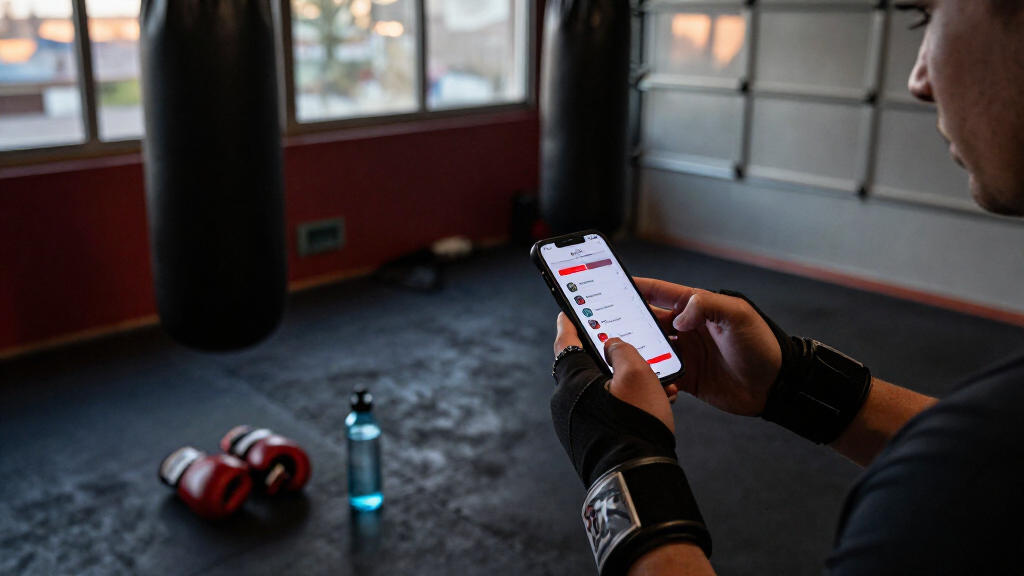
IdeaNavigator AI has outlined a potential app for people who box at home without a coach or gym, using a phone camera to score rounds and track punch metrics. This is a product proposal, not an announcement of a launched app or validated results; user retention, tracking accuracy and subscription demand remain untested.
IdeaNavigator AI has outlined a proposed home-boxing app that would use a phone camera to score training rounds, count punches by type and flag drops in a user’s guard. The concept targets people boxing without a coach or gym, but it is a product opportunity rather than a reported launch: the proposal provides no app availability, performance testing or user results.
In its product proposal, IdeaNavigator AI suggests an app that would let users prop up a phone and follow scored rounds. The proposal lists punch counts by type, speed estimates, guard-position feedback and coached combinations that prompt users during a session as potential features. It also proposes keeping progress benchmarks across sessions so users could compare their activity over time.
IdeaNavigator AI frames the opportunity around a specific problem: people shadowboxing alone may have little feedback on their activity, technique or progress. The proposal argues that this could weaken motivation and leave technique changes unchecked. It supplies no survey, user study or measured evidence of effects on motivation.
The proposal suggests a consumer subscription with a free tier for scored rounds and a paid coached-combination tier. It recommends a soft launch and tracking week-four retention, then testing whether users convert to paid features. The proposal provides no pricing, launch plan, retention target or conversion figures.
Feedback for Solo Boxing Sessions
If the proposed tracking works reliably, it could give solo trainees a simple way to see activity and receive prompts without buying a wearable or joining a gym. Round-by-round counts and guard alerts may make sessions feel more structured, while saved benchmarks could help users notice changes in training volume. These are potential benefits described by the concept, not demonstrated outcomes.
The key practical question is whether a phone camera can provide feedback that is accurate and useful enough to sustain training. Punch speed and guard position are more difficult to assess than simply detecting movement, and IdeaNavigator AI’s proposal does not explain how the system would handle camera placement, lighting, body-size differences or missed movements. Without dependable feedback, scores could mislead users rather than help them.
The commercial case also depends on repeated use. The proposal suggests a free scoring feature to reduce the barrier to trying the app, but subscription demand would depend on whether coached combinations and progress tracking offer ongoing value. Retention and paid conversion are proposed tests, not established demand.
As an affiliate, we earn on qualifying purchases.
How the Proposed App Would Work
IdeaNavigator AI places the concept in home fitness and combat-sports apps, targeting people who train at home without a coach or gym. Its proposal says the app would use pose tracking from a phone camera to recognize punch types, estimate speed and monitor guard position in real time. It does not identify a specific technical system or provide accuracy results.
The proposal’s suggested first product is deliberately limited to a scored-round workflow: set up a phone, train through a round, receive metrics and compare sessions. Coached combinations would add guided practice, while a free tier would let users try the scoring function before considering a subscription. IdeaNavigator AI does not specify whether the app would offer boxing instruction, safety checks or feedback from a human coach.
As described in the proposal, the validation plan is to release a small version, observe how many users return by week four and test conversion to coached combinations. IdeaNavigator AI names no comparison benchmark and reports no trial. The plan therefore identifies questions to test rather than evidence that the product has solved the feedback problem.
Accuracy and Demand Still Untested
IdeaNavigator AI’s proposal reports no product launch or test results. It does not say whether an app is in development, who would build it, when users might be able to try it or whether any prototype has been evaluated. The proposal also provides no measured camera-tracking accuracy for punch type, speed or guard position.
Other open questions include how the app would distinguish purposeful punches from ordinary movement, whether users need a particular phone setup, and how it would communicate uncertainty in its estimates. IdeaNavigator AI gives no subscription price, user count, retention result or conversion rate. Its suggested week-four retention test has no named benchmark or numerical target, so there is no basis for claiming that the concept already meets fitness-app standards.
The proposal does not establish that camera feedback can prevent poor technique or injury. Any automated form signal would need clear limits, especially for people training without in-person supervision. Whether the metrics are dependable, safe and motivating remains unknown.
A Soft Launch Would Test Retention
IdeaNavigator AI recommends a soft launch of scored rounds, followed by measurement of whether users return by week four. Its proposal also recommends testing whether users move from the free scoring tier to paid coached combinations. It identifies no launch date, developer or test group, so these are recommendations rather than scheduled events.
Evidence from a trial would need to show more than initial downloads. Useful details would include how often people complete rounds, whether the camera metrics match observed punches, what proportion of users return and whether paid features lead to sustained use. Until such results are available, the app remains a proposed way to add feedback to home boxing—not a proven training tool or established subscription business.
Source: IdeaNavigator AI
Key Questions
Is a home boxing scoring app available now?
The development described by IdeaNavigator AI is a product concept. Its proposal provides no app launch, availability information or release date.
What would the app measure?
IdeaNavigator AI proposes punch counts by type, speed estimates, guard-position alerts and progress benchmarks across training sessions.
Would users need extra equipment?
IdeaNavigator AI’s concept is designed around a phone camera and says users could train without wearables or other hardware. Actual device requirements have not been specified or tested.
Has the app’s accuracy been verified?
IdeaNavigator AI reports no accuracy results in its proposal. It does not establish how well phone-camera tracking would identify punches, estimate speed or detect guard drops.
How would the proposed app make money?
IdeaNavigator AI suggests a subscription with free scored rounds and paid coached combinations. The proposal provides no price or evidence of customer demand.
Source: IdeaNavigator AI
Halloween Picks
halloween
As an affiliate, we earn on qualifying purchases.