
📊 Full opportunity report: The Memory Squeeze: Why Your RAM Bill Doubled on ThorstenMeyerAI.com — validation score, market gap, and execution plan.

Prime made for students and young adults
- Fast, free delivery for dorm and study essentials
- Prime Video and Amazon Music included
- Member-only deals
TL;DR
RAM prices have surged by up to six times in 2026, driven by manufacturers reallocating capacity toward AI hardware. This shift has caused shortages and increased costs for consumers and OEMs.
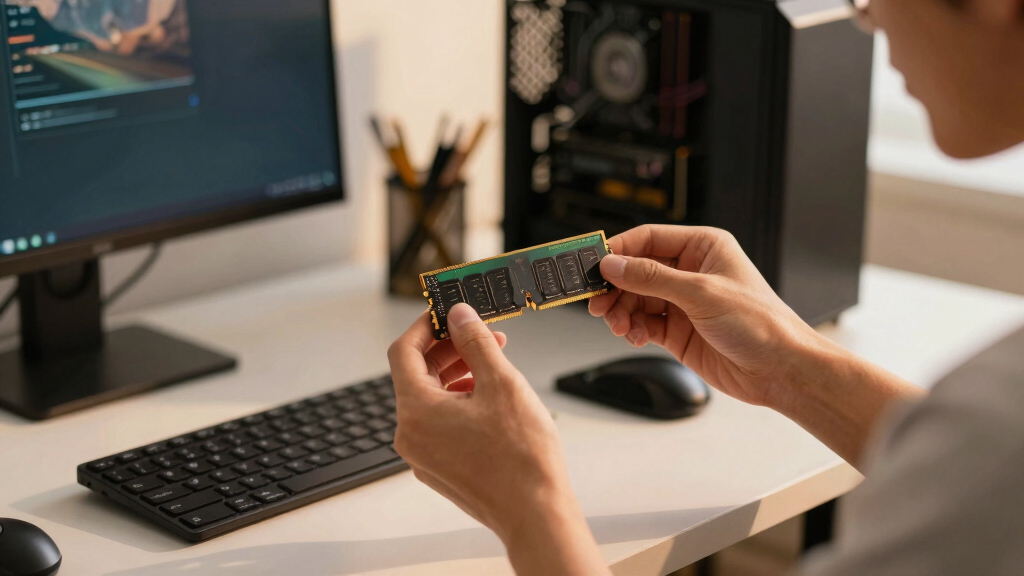
RAM prices have roughly doubled or more in 2026, driven by a fundamental shift in chip manufacturing priorities. The cost of 32GB DDR5 kits has soared from around $80–$120 in 2025 to over $370, with 64GB kits exceeding $600. This surge affects both consumers and PC builders, as memory now accounts for up to 35% of total build costs, according to HP.
The core reason for the price increase is a reallocation of DRAM manufacturing capacity from consumer modules to high-margin High Bandwidth Memory (HBM) used in AI accelerators like Nvidia GPUs. Three companies—Samsung, SK Hynix, and Micron—control nearly all DRAM production and are prioritizing HBM, which is more profitable but less efficient in wafer usage. As a result, approximately 23% of DRAM wafers are now dedicated to HBM, up from 19% last year, with AI demand expected to absorb about 20% of all DRAM capacity in 2026.
This shift is not temporary; it is a deliberate strategic choice by manufacturers to maximize margins, with no immediate plan to increase supply of consumer DRAM. The physics of HBM stacking makes it costly in wafer area, further limiting the total output of consumer-grade memory.
Why your RAM bill doubled
“Doubled” is the polite version — consumer DRAM is running 3–6× its 2024 lows. The boom-bust cycle that always brought cheap RAM back isn’t coming this time, because the factories that make your RAM now make something far more profitable instead.
HBM
This is the quiet tax on the whole AI era. Relief isn’t forecast before 2028, and even then prices may settle 30–50% above pre-crisis levels. Buy what you genuinely need now; don’t panic-buy capacity you won’t use. You can’t out-wait the fab math — but, as this series will show, you can shrink what you need. Next: HBM Ate the Fab.
Why Rising RAM Costs Impact Consumers and Industry
The surge in RAM prices affects a broad spectrum of users, from individual consumers to major PC manufacturers. As memory costs rise, PC builders face higher component prices, delaying upgrades and increasing retail prices. Major OEMs like Apple and Lenovo have already announced price hikes, which could slow consumer PC sales. Additionally, the shortage may lead to increased use of counterfeit modules, further complicating supply chains and quality control.
For the broader tech industry, this shift signifies a long-term change in supply dynamics driven by AI demand, potentially leading to sustained high costs and supply constraints for consumer memory. The reliance on a small number of firms and the prioritization of high-margin AI hardware create a structurally tight market with limited short-term relief.
As an affiliate, we earn on qualifying purchases.
Background of the 2026 Memory Market Shift
In previous memory cycles, shortages were resolved by expanding manufacturing capacity, flooding the market with supply, and prices then falling. However, in 2026, the pattern has changed. The primary driver is a strategic reallocation of wafer capacity toward HBM for AI applications, which offers higher profit margins than consumer DDR5 modules. This shift began as demand for AI hardware skyrocketed, prompting manufacturers to prioritize high-margin products over consumer needs.
Three dominant firms—Samsung, SK Hynix, and Micron—control about 95% of the DRAM market. These companies have historically coordinated supply to stabilize prices, but recent actions suggest a managed scarcity approach, with long-term contracts and supply restrictions already in place. The physical inefficiency of HBM stacking and the long lead times for new fabs mean this supply constraint is expected to persist into the coming years.
“Memory now accounts for about 35% of our PC build costs, up from 15–18% earlier this year.”
— HP investor report
Unresolved Questions About Future Supply and Prices
It remains unclear whether the current high prices will persist beyond 2026 or if new capacity expansions will eventually alleviate shortages. While manufacturers have indicated a focus on high-margin products, the long-term trajectory of AI demand and the pace of fab construction are uncertain. Additionally, the potential for market interventions or antitrust actions could influence supply dynamics, but no such measures have been announced.
Expected Developments in Memory Pricing and Supply
Manufacturers are expected to continue prioritizing AI memory, with new fabs planned for 2027–2028. Consumers and OEMs should anticipate sustained high prices and limited supply in the near term. Monitoring industry reports and corporate statements will be crucial to understanding when, or if, supply constraints ease. Additionally, the emergence of counterfeit modules may increase as scarcity persists.
Key Questions
Will RAM prices ever return to normal?
It is unclear when prices will stabilize, as the current supply constraints are driven by strategic capacity reallocation toward AI hardware. Recovery depends on new capacity coming online and shifts in AI demand.
Why are manufacturers prioritizing AI memory over consumer RAM?
AI memory, especially HBM, offers significantly higher profit margins, incentivizing manufacturers to allocate wafer capacity toward these products despite lower efficiency.
How long will the current shortages last?
Supply constraints are expected to persist into at least 2027–2028, with new fab expansions not reaching full volume until then. The situation could change if demand shifts or new capacity is built sooner.
Are there alternatives for consumers facing high RAM prices?
Options are limited; DDR4 modules remain available but are nearing end-of-life, and counterfeit modules are appearing. Buyers should exercise caution and consider waiting if possible.
Source: ThorstenMeyerAI.com
Halloween Picks
halloween
As an affiliate, we earn on qualifying purchases.