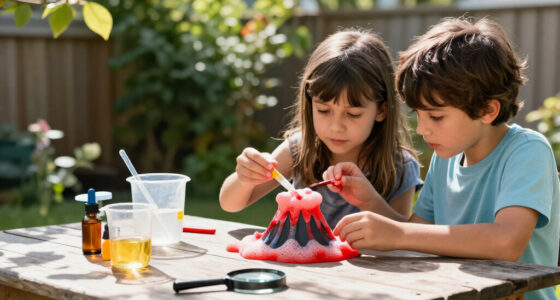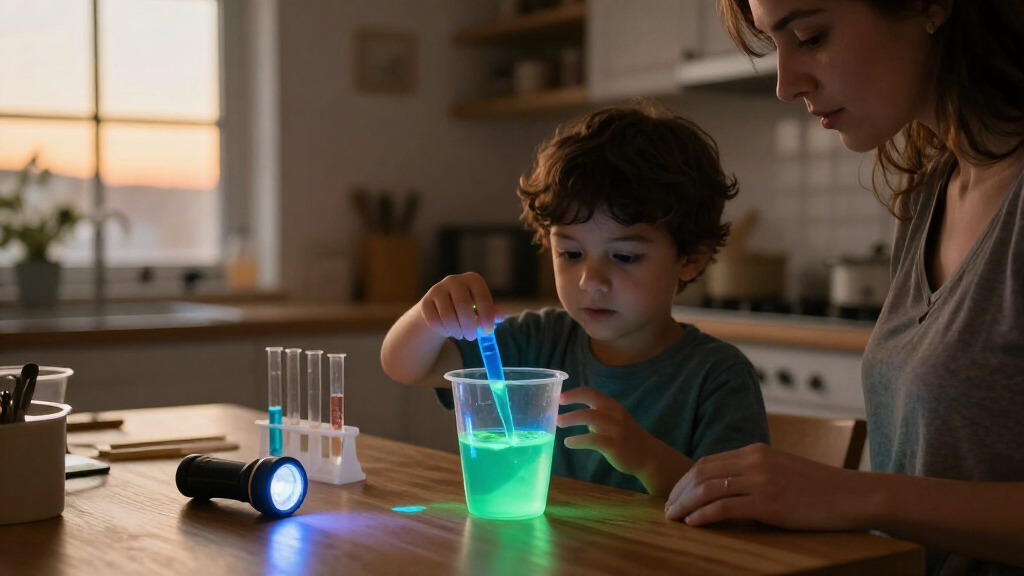

The best glow-in-the-dark science kits pair a satisfying glow effect with experiments or models kids can actually learn from. My best overall pick is the National Geographic Glow-in-the-Dark Mega Science Experiment Kit for its broad range of activities; the Thames & Kosmos Glow-in-the-Dark Science Lab is a stronger fit for kids who want a more focused lab experience, while the National Geographic Jumbo Crystal Growing Kit centers on a slower, display-worthy project. The main tradeoff is breadth versus depth: multi-experiment kits offer variety, while anatomy, space, crystal, and terrarium kits deliver a more specific activity. Age, adult setup, project wait time, and how much the finished result can be reused also matter. Read on for my full comparison of glow in the dark science kits and which one suits each kind of young scientist.

Prime made for students and young adults
- Fast, free delivery for dorm and study essentials
- Prime Video and Amazon Music included
- Member-only deals
Key Takeaways
- The National Geographic Mega Science Experiment Kit leads for variety: it suits families who want multiple kinds of activities rather than one long-term project.
- Thames & Kosmos is the focused lab alternative: its science-lab format is a better match for kids who prefer guided experiments over a mix of unrelated projects.
- Glow is not the same as sustained play: the anatomy, T. Rex, and solar system kits turn the glow effect into a display or model, while bouncy balls and crystals focus on making a specific result.
- Some of the strongest projects take patience: crystal growing and the Grow ‘N Glow Terrarium involve waiting or ongoing care, unlike quick-build activities.
- Interest can matter more than activity count: a dinosaur, human anatomy, or space-themed kit may hold a curious child’s attention better than a larger general kit.
| Glow-in-the-Dark Science Experiments Kit for Kids Ages 8–12 |  | Best for Experiment Variety | Brand: PW | Stated age range: 8–12 years | Activities: 15+ | VIEW LATEST PRICE | See Our Full Breakdown |
| Thames & Kosmos Glow-in-the-Dark Science Lab STEM Experiment Kit |  | Best for Blacklight Experiments | Brand: Thames & Kosmos | Recommended age: 8 years and up | Activities: 5 | VIEW LATEST PRICE | See Our Full Breakdown |
| GobiDex Glow-in-the-Dark Human Anatomy Model Kit, 40 Pieces |  | Best for Anatomy Learning | Brand: GobiDex | Age range: 8–16 years | Pieces: 40 | VIEW LATEST PRICE | See Our Full Breakdown |
| National Geographic Glow-in-the-Dark Mega Science Experiment Kit for Kids |  | Best for Mixed Glow Materials | Brand: Blue Marble | Age range: 8 years and up | Educational objective: STEM | VIEW LATEST PRICE | See Our Full Breakdown |
| National Geographic Glow-in-the-Dark T. Rex Dissection Lab Kit |  | Best for Dinosaur Fans | Brand: Blue Marble | Age range: 6 years and up | Educational objective: STEM | VIEW LATEST PRICE | See Our Full Breakdown |
| Smartivity Glow Magic Science Kit for Kids |  | Best for Experiment Variety | Brand: Smartivity | Age range: 6–14 years | Theme: Magic | VIEW LATEST PRICE | See Our Full Breakdown |
| National Geographic Glow-in-the-Dark Solar System Model Kit |  | Best for Astronomy Display | Brand: Blue Marble | Age range: 8 years and up | Planets included: Eight planets and the Sun | VIEW LATEST PRICE | See Our Full Breakdown |
| Blue Marble Glow-in-the-Dark Bouncy Ball Science Kit for Kids |  | Best for Groups | Brand: Blue Marble | Age range: 6 years and up | Maximum balls: Materials to make up to 45 | VIEW LATEST PRICE | See Our Full Breakdown |
| Creativity for Kids Grow ‘N Glow Terrarium Kit |  | Best for Ongoing Plant Science | Recommended age: 6 years and up | Planting cycles: Two | Seeds: Chia and wheatgrass | VIEW LATEST PRICE | See Our Full Breakdown |
| National Geographic Jumbo Glow-in-the-Dark Crystal Growing Kit for Kids |  | Best for a Single Science Reveal | Brand: National Geographic | Recommended age: 8 years and up | Included components: Crystal growing kit, detailed learning guide, and fluorite specimen | VIEW LATEST PRICE | See Our Full Breakdown |
| glow in the dark science kit | Brand | Dimensions | Material | Included components |
|---|---|---|---|---|
| Glow-in-the-Dark Science Exper | PW | 10.91 x 8.46 x 1.81 inches | Polyvinyl Alcohol (PVA) | — |
| Thames & Kosmos Glow-in-the-Da | Thames & Kosmos | 8.8 x 2.5 x 11 inches | Plastic | Plaster powder, plastic mold, glow-in-the-dark stickers, UV flashlight, cardboard test tube stand, yellow and pink UV pigments, beakers, capped test tube, brush, spatula, and manual |
| GobiDex Glow-in-the-Dark Human | GobiDex | 12.6 x 5.71 x 3.15 inches | Plastic | — |
| National Geographic Glow-in-th | Blue Marble | 10 x 2.17 x 7.28 inches | — | 1 glowing crystal seed, 1 glowing putty with storage tin, 1 wernerite rock, 2 slime powders, and 2 slime containers |
| National Geographic Glow-in-th | Blue Marble | 7.09 x 2.36 x 12.01 inches | Plastic, paper | Dinosaur mold, glow-in-the-dark skeleton, gel refill pack, dissection tool, tweezers, instructions, and learning guide |
| Smartivity Glow Magic Science | Smartivity | 9.84 x 9.84 x 2.36 inches | MDF | — |
| National Geographic Glow-in-th | Blue Marble | 7.09 x 2.36 x 12.01 inches | Plastic | Six paint colors, glow-in-the-dark accent paint, brush, palette, decals, poster, and instructions |
| Blue Marble Glow-in-the-Dark B | Blue Marble | 6.06 x 2.36 x 6.18 inches | — | Two packets of glow-in-the-dark polymer powder, five molds, and instructions |
| Creativity for Kids Grow ‘N Gl | — | — | — | — |
| National Geographic Jumbo Glow | National Geographic | 7.24 x 2.37 x 10 inches | — | Crystal growing kit, detailed learning guide, and fluorite specimen |
More Details on Our Top Picks
Glow-in-the-Dark Science Experiments Kit for Kids Ages 8–12
With more than 15 activities, this kit is the broadest experiment sampler in this group. Its mix of chemistry and physics activities, including glowing slime and luminous reactions, gives curious kids more chances to observe what changes from one experiment to the next than the Thames & Kosmos Glow-in-the-Dark Science Lab, which focuses on five activities and supplies a UV flashlight. The illustrated manual is a helpful guide for children ready to follow steps on their own, though some experiments may call for adult supervision. One caveat is a conflicting age listing: the product title says ages 8–12, while manufacturer-recommended age data says 12 months–3 years. I would treat the stated 8–12 range as the intended audience and verify the packaging before buying. Choose it for breadth, not for a clear, specialized glow display.
Pros:- More than 15 hands-on chemistry and physics activities
- Illustrated, step-by-step instruction manual
- Activities encourage observation, logical thinking, and problem-solving
- Can suit independent exploration or adult-guided sessions
Cons:- Some experiments may need adult supervision
- Manufacturer-recommended age listing conflicts with the stated 8–12 age range
Best for: Families with children in the stated 8–12 age range who want a varied set of guided glow-themed experiments.
Not ideal for: Buyers who need consistent age guidance or a kit centered on a single finished model; the listed age information conflicts, and this set emphasizes multiple activities.
- Brand:PW
- Stated age range:8–12 years
- Activities:15+
- Theme:Chemistry
- Material:Polyvinyl Alcohol (PVA)
- Included component:Instruction manual
- Dimensions:10.91 x 8.46 x 1.81 inches
- Model number:PW-STEM-LSK-100
Our verdict“Choose this kit for the widest activity mix, but check the age guidance before purchasing.”
Thames & Kosmos Glow-in-the-Dark Science Lab STEM Experiment Kit
This is the clearest pick for children who want to see glow effects under a UV flashlight rather than simply make a glowing object. Five activities include neon chalk and a glowing solution, while the two UV pigments and box-turned-showcase make the results part of the presentation. Compared with the Glow-in-the-Dark Science Experiments Kit for Kids Ages 8–12, it offers fewer activities, but its included light and display setup give the experiments a more focused blacklight theme. That focus also limits its range: buyers seeking many different projects may prefer the larger activity count in the PW kit. The single AAA battery is another small preparation step, and younger children may need adult help with some activities. I’d choose this for a compact, guided introduction to fluorescence and phosphorescence.
Pros:- Includes a UV flashlight and two UV pigments
- Five experiments focus on glowing materials and phosphorescence
- Box doubles as a blacklight showcase for experiment results
- Includes molds, tools, and an instruction manual
Cons:- Limited to five activities compared with the 15+ in the PW experiments kit
- Requires one AAA battery
- Some activities may need adult supervision for younger children
Best for: Families with children eight and up who want a small, focused blacklight lab with the UV light included.
Not ideal for: Buyers seeking the largest number of activities or a kit that needs no battery preparation; this set has five experiments and requires one AAA battery.
- Brand:Thames & Kosmos
- Recommended age:8 years and up
- Activities:5
- Included components:Plaster powder, plastic mold, glow-in-the-dark stickers, UV flashlight, cardboard test tube stand, yellow and pink UV pigments, beakers, capped test tube, brush, spatula, and manual
- Battery:1 AAA
- Material:Plastic
- Dimensions:8.8 x 2.5 x 11 inches
- Item weight:12.8 ounces
- Warranty:1 year against manufacturer defects
Our verdict“Pick this focused lab if an included UV flashlight and blacklight display matter more than a high activity count.”
GobiDex Glow-in-the-Dark Human Anatomy Model Kit, 40 Pieces
Unlike the chemistry sets in this roundup, the GobiDex makes glow-in-the-dark bones part of a reusable anatomy model. Children assemble a standing figure and use the illustrated manual to explore bones, muscles, and organs, giving the glow feature a clear learning purpose rather than making it the focus of a chemical reaction. Compared with the National Geographic Glow-in-the-Dark T. Rex Dissection Lab, this kit covers human anatomy and can be taken apart and assembled again; the dinosaur option adds an excavation activity and a finished skeleton display. The GobiDex’s 40 pieces offer hands-on model work, but assembly takes time and may frustrate children who want an immediate experiment. It makes most sense for kids interested in how the body fits together, not for families looking for slime, pigments, or a sequence of varied experiments.
Pros:- Hands-on exploration of bones, muscles, and organs
- Glow-in-the-dark bones add a visual aid to the anatomy model
- Illustrated manual supports guided learning
- Parts can be assembled and disassembled for repeated use
Cons:- Assembly is required before the model can be used
- The anatomy focus offers less experiment variety than the PW or Thames & Kosmos kits
Best for: Children ages 8–16 who enjoy building models and want a repeatable, hands-on introduction to human anatomy.
Not ideal for: Kids looking for glow-in-the-dark chemical experiments or a ready-to-display result without assembly.
- Brand:GobiDex
- Age range:8–16 years
- Pieces:40
- Height:12.6 inches
- Dimensions:12.6 x 5.71 x 3.15 inches
- Material:Plastic
- Features:Glow-in-the-dark bones, self-standing design, illustrated science manual
- Manufacturer part number:GO-HB-01
Our verdict“Choose this model for repeatable anatomy learning rather than a broad set of glow experiments.”
National Geographic Glow-in-the-Dark Mega Science Experiment Kit for Kids
This National Geographic kit stands out for combining several kinds of glowing materials: a crystal seed, slime powders, glowing putty, and wernerite. That mix gives families more variety in texture and topic than the Thames & Kosmos Glow-in-the-Dark Science Lab, which centers on five guided blacklight experiments with pigments and a UV flashlight. The tradeoff is that the listed contents here are more specific than the description’s broad activity claims, so I would not assume it matches the 15-plus-project scope of the PW kit. A full-color guide explains the glow science, supporting family, homeschool, or classroom use, while the included containers help keep slime and putty together. This is a strong fit for children who like switching between materials, but less suited to buyers who want a dedicated UV setup or a detailed activity count.
Pros:- Combines crystal growing, slime, putty, and a glowing mineral
- Full-color guide explains the science behind the glow
- Includes slime containers and a storage tin for putty
- Suitable for home, homeschool, or classroom activities
Cons:- The product data does not specify a total experiment count
- The listed components do not include a UV flashlight
Best for: Families, homeschoolers, and educators seeking several different glowing materials for hands-on STEM sessions.
Not ideal for: Buyers who want an included UV flashlight, a clearly stated number of experiments, or a single, focused build project.
- Brand:Blue Marble
- Age range:8 years and up
- Educational objective:STEM
- Experiments:Crystal growing, slime making, glowing putty, and glow science
- Included components:1 glowing crystal seed, 1 glowing putty with storage tin, 1 wernerite rock, 2 slime powders, and 2 slime containers
- Theme:Geology
- Materials:Crystals, slime, putty, and mineral
- Dimensions:10 x 2.17 x 7.28 inches
Our verdict“Choose this kit for variety across glowing materials, not for a blacklight-centered lab or a fixed activity count.”
National Geographic Glow-in-the-Dark T. Rex Dissection Lab Kit
This kit turns the glow feature into a finished dinosaur skeleton: children excavate a synthetic T. rex mold, then assemble glow-in-the-dark bones into a 9.5-inch model. The sequence gives the activity a clear start and finish, unlike the National Geographic Glow-in-the-Dark Mega Science Experiment Kit, which offers several materials and activities rather than one excavation-to-display project. The refill pack adds another dissection session, and the learning guide introduces T. rex facts and anatomy. Its narrower dinosaur focus is the main tradeoff; children more interested in human anatomy may get more repeatable model exploration from the GobiDex anatomy kit. The excavation uses a synthetic mold, not a real fossil, and the listed age range starts at six, so younger children may need help with the tools and assembly.
Pros:- Combines excavation with skeleton assembly
- Finished 9.5-inch skeleton glows in the dark
- Includes a refill pack for another dissection
- Learning guide introduces T. rex anatomy and facts
Cons:- Uses a synthetic dinosaur mold rather than a real fossil
- Younger children may need help with excavation tools and assembly
Best for: Dinosaur-loving children six and up who enjoy excavation play and want a glow-in-the-dark model to assemble afterward.
Not ideal for: Children seeking several different science experiments, real fossil material, or a model focused on human anatomy.
- Brand:Blue Marble
- Age range:6 years and up
- Educational objective:STEM
- Skeleton model length:9.5 inches
- Included components:Dinosaur mold, glow-in-the-dark skeleton, gel refill pack, dissection tool, tweezers, instructions, and learning guide
- Material:Plastic, paper
- Dimensions:7.09 x 2.36 x 12.01 inches
- Weight:0.52 kg
- Model number:RTNGTREXLAB
Our verdict“Pick this for dinosaur fans who want a guided dig followed by a glow-in-the-dark skeleton build.”
Smartivity Glow Magic Science Kit for Kids
Smartivity Glow Magic is the broadest activity sampler in this group: its experiments include glowing soap, a lava lamp, secret messages, and a spinner. That mix suits children who want to try several kinds of glow-in-the-dark activities rather than focus on one finished project, as they would with the National Geographic Solar System Model or Jumbo Crystal Growing Kit. Step-by-step instructions, instructional videos, and a mess mat support at-home setup, while the activities are designed for ages 6–14. The tradeoff is that some experiments may need adult help, so it is less suited to children expected to work independently. There is also conflicting experiment-count information: the description lists 20, but product details give a different count. I’d choose it for variety, not a precise activity tally.
Pros:- Offers several types of glow-in-the-dark experiments, including soap, a lava lamp, secret messages, and a spinner
- Step-by-step instructions and instructional videos support the activities
- Mess mat is included for at-home experiments
- Designed to teach STEM concepts through hands-on play
Cons:- Some experiments may require adult involvement
- The experiment count differs between the description and product details
Best for: Families seeking a varied set of glow-in-the-dark activities for children ages 6–14, with instructions and a mat for home use
Not ideal for: Children who need fully independent activities, or buyers who want a clearly consistent experiment count before purchasing
- Brand:Smartivity
- Age range:6–14 years
- Theme:Magic
- Listed experiment count:20 in the description; product details differ
- Dimensions:9.84 x 9.84 x 2.36 inches
- Weight:828 g
- Material:MDF
- Model number:SMRT 1214
Our verdict“Choose Smartivity for a wide mix of guided glow-in-the-dark activities; pick a focused model or crystal kit if you prefer one project with a defined outcome.”
National Geographic Glow-in-the-Dark Solar System Model Kit
This kit turns glow-in-the-dark appeal into a build-and-display astronomy project: children assemble and paint the Sun and all eight planets, then arrange them on movable arms. Paint, decals, a poster, and instructions are included, giving the activity more of a craft-and-model focus than the quick, repeatable ball-making in the Blue Marble Bouncy Ball Science Kit. The movable arms let kids change the arrangement after assembly, and glow-in-the-dark accents give the finished model a nighttime role beyond the building session. That also marks its limit: it is a single solar system model, not a set of varied experiments like Smartivity Glow Magic. Painting and assembly take patience, so this is better for children who enjoy careful projects than anyone seeking an immediate, low-preparation activity.
Pros:- Includes paints, brush, palette, decals, poster, and instructions for the model project
- Movable arms allow the planets to be rearranged
- Glow-in-the-dark finish gives the completed model nighttime display appeal
- Combines hands-on construction and painting with astronomy learning
Cons:- Requires both assembly and painting
- Focuses on one display model rather than a variety of experiments
Best for: Children ages 8 and up who enjoy painting, assembling models, and displaying an astronomy project
Not ideal for: Kids seeking several separate glow-in-the-dark experiments or a quick activity with little assembly
- Brand:Blue Marble
- Age range:8 years and up
- Planets included:Eight planets and the Sun
- Features:Glow-in-the-dark finish; movable arms
- Included components:Six paint colors, glow-in-the-dark accent paint, brush, palette, decals, poster, and instructions
- Material:Plastic
- Dimensions:7.09 x 2.36 x 12.01 inches
- Weight:0.3 kg
Our verdict“Pick this for an astronomy-minded child who wants to build and display a glowing solar system, not for a broad experiment assortment.”
Blue Marble Glow-in-the-Dark Bouncy Ball Science Kit for Kids
For a playdate or party, the Blue Marble Bouncy Ball Kit offers a practical advantage over one-off display projects: its materials can make up to 45 balls, using five molds and six polymer powder colors. That creates room for several children to make different shapes and color combinations, while the National Geographic Solar System Model centers the activity on a single shared build. A four-step process and learning guide introduce the science behind the balls, so the kit connects making with a basic STEM explanation. The catch is pacing: each ball needs a 10-minute water dip and drying time, which can interrupt a group activity. Compared with Smartivity’s mix of experiments, this kit is narrower in subject, but its repeatable output makes it the stronger choice when kids want something they can make and then play with.
Pros:- Materials can make up to 45 glow-in-the-dark bouncy balls
- Five molds and six colors allow varied shapes and combinations
- Learning guide explains the science behind the balls
- Well suited to parties and playdates
Cons:- Each ball needs a 10-minute water dip and drying time
- Focuses on making bouncy balls rather than offering several types of experiments
Best for: Parents and hosts planning a hands-on group activity for children ages 6 and up
Not ideal for: Buyers who want a fast, continuous activity, since each ball needs a water dip and drying time
- Brand:Blue Marble
- Age range:6 years and up
- Maximum balls:Materials to make up to 45
- Molds:Five unique shapes
- Colors:Six polymer powder colors
- Included components:Two packets of glow-in-the-dark polymer powder, five molds, and instructions
- Dimensions:6.06 x 2.36 x 6.18 inches
- Weight:10.08 ounces
Our verdict“Choose this for a group that will enjoy making and playing with multiple glow-in-the-dark balls, provided there is time for the dipping and drying steps.”
Creativity for Kids Grow ‘N Glow Terrarium Kit
Grow ‘N Glow is the only pick here that keeps the science going after the craft session: children plant chia and wheatgrass, then care for the terrarium as it grows. Its glow-in-the-dark stickers and decorative pieces bring nighttime appeal, while the plants provide a living project unlike the finished model in the National Geographic Solar System Kit or the short-form experiments in Smartivity Glow Magic. Supplies for two planting cycles give kids another chance if they want to repeat the process. The tradeoff is that this is not a hands-off glow effect: seeds need watering and ongoing care, and the results depend on maintaining the plants. I’d choose it for a child interested in both decorating and growing something, but skip it if the goal is an immediate glow-in-the-dark science demonstration.
Pros:- Combines terrarium decorating with hands-on plant science
- Includes supplies for two planting cycles
- Chia and wheatgrass seeds give children a growing project to observe
- Glow-in-the-dark stickers add nighttime decoration
Cons:- Plants need watering and ongoing care
- Glow appeal comes from decorations rather than a glowing plant or experiment
Best for: Children ages 6 and up who enjoy crafts, plants, and checking on a project over time
Not ideal for: Families wanting an instant experiment or a glow effect that does not rely on stickers and continued plant care
- Recommended age:6 years and up
- Planting cycles:Two
- Seeds:Chia and wheatgrass
- Growing medium:Potting mix (vermiculite)
- Included terrarium:Plastic jar and decorative lid
- Other included materials:Colorful sand, river stones, figurines, and glow-in-the-dark stickers
- Country of seed packaging:USA
Our verdict“Pick Grow ‘N Glow for a child who will enjoy tending a planted craft over time, not for a quick glow-in-the-dark experiment.”
National Geographic Jumbo Glow-in-the-Dark Crystal Growing Kit for Kids
The National Geographic Jumbo Crystal Kit is a focused earth-science project for children who are willing to wait for a visible result: the crystal grows over a few days and glows in the dark, with a fluorite specimen included for comparison. That delayed reveal gives it a different appeal from the immediate, repeatable activity of the Blue Marble Bouncy Ball Kit, but it offers less variety than Smartivity Glow Magic. The learning guide and instructions help frame the wait as a crystal-science activity rather than just a decoration project. The main tradeoff is exactly that timing: children looking for a same-session result may lose interest before the crystal is ready. I’d favor this for an older child who likes earth science and can stay engaged with a project that develops over several days.
Pros:- Grows a jumbo glow-in-the-dark crystal
- Includes a fluorite specimen for a hands-on earth-science comparison
- Easy-to-follow instructions and a learning guide support the activity
- Designed for children ages 8 and up
Cons:- The crystal takes a few days to grow
- Centers on one crystal project rather than a range of experiments
Best for: Children ages 8 and up who are curious about crystals and enjoy waiting for a science project to develop
Not ideal for: Kids seeking several quick experiments or an activity with an immediate finished result
- Brand:National Geographic
- Recommended age:8 years and up
- Included components:Crystal growing kit, detailed learning guide, and fluorite specimen
- Crystal size:Up to 3x larger than standard crystals
- Dimensions:7.24 x 2.37 x 10 inches
- Weight:380 g
- Educational objectives:Exploratory skills, hand-eye coordination, and STEM
- Theme:Earth science
Our verdict“Choose this for an earth-science fan who will enjoy a multi-day crystal grow, and choose the bouncy ball kit for faster, repeatable making.”

How We Picked
I ranked these kits by how well their glow feature supports the activity, how much useful science or building they offer, and how clearly the project fits a particular kind of child. I also weighed variety, likely adult involvement, project duration, and whether the result can be handled, displayed, or revisited after the initial activity. A glow effect alone did not put a kit near the top; it needed to support an engaging project.
The ranking favors kits that balance hands-on learning, usability, and breadth, which puts the National Geographic Mega Science Experiment Kit first for its wide-ranging appeal. More specialized kits rank well for a clear interest or project, but their narrower scope makes them less flexible for a household with varied interests. Growing and care-based kits can be rewarding, though their wait time and follow-through make them less immediate choices. Age guidance, materials, and adult-supervision needs should be checked against the child and the specific kit before purchase.
| glow in the dark science kit | Brand | Material |
|---|---|---|
| Glow-in-the-Dark Science Exper | PW | Polyvinyl Alcohol (PVA) |
| Thames & Kosmos Glow-in-the-Da | Thames & Kosmos | Plastic |
| GobiDex Glow-in-the-Dark Human | GobiDex | Plastic |
| National Geographic Glow-in-th | Blue Marble | — |
| National Geographic Glow-in-th | Blue Marble | Plastic, paper |
| Smartivity Glow Magic Science | Smartivity | MDF |
| National Geographic Glow-in-th | Blue Marble | Plastic |
| Blue Marble Glow-in-the-Dark B | Blue Marble | — |
| Creativity for Kids Grow ‘N Gl | — | — |
| National Geographic Jumbo Glow | National Geographic | — |
Factors to Consider When Choosing Glow In The Dark Science Kits
Before choosing, I’d look past the glow on the box and match the kit to the way the child likes to learn. These factors help distinguish a quick activity from a project that needs supervision, patience, or a place to live afterward.
Decide Whether You Want Variety or One Main Project
A broad experiment kit can work well when a child enjoys switching activities or when siblings have different interests. A single-focus kit may offer a clearer sense of progress and a more satisfying finished model or display. The common mistake is treating the number of activities as the only measure of value; short experiments may vary in setup and substance. Check whether activities use shared materials or each require separate components. If the child is strongly drawn to dinosaurs, anatomy, space, or growing crystals, a focused theme may earn more repeat attention than a general assortment.
Check the Kind of Glow and How It Is Used
Glow-in-the-dark effects can appear in the experiment itself, the model, or the finished object, and those uses create different play experiences. A glowing model is easy to display, while a glow-based experiment may be more about observing a result in a darkened room. Look for instructions on charging glow materials with light and whether the effect is part of repeated use or mainly a final reveal. A bright-looking package image does not tell you how long the glow lasts or how visible it will be in a typical bedroom. When glow is the child’s main reason for wanting a kit, check the product details for what actually glows rather than assuming every component does.
Match Setup and Supervision to the Household
Some activities ask children to follow steps independently, while others may need an adult to handle preparation, measuring, or cleanup. Read age guidance alongside the child’s patience and ability to follow written or illustrated directions. A kit labeled for older children can still be a poor fit if the child dislikes multi-step instructions, and a younger child may enjoy a project with an adult partner. Check whether household tools or extra supplies are needed before opening the kit. If you want a low-prep gift, favor a project with self-contained materials and a clear activity sequence.
Account for Waiting, Growing, and Ongoing Care
Not every science activity ends in one sitting. Crystal growing can involve a wait for visible results, and a terrarium brings an ongoing care routine that may outlast the initial excitement. That delay can teach observation and patience, but it can frustrate a child expecting an immediate payoff. Consider whether the child enjoys checking progress over several days and whether an adult can help maintain the project. For a one-afternoon activity, choose a kit built around making or assembling rather than cultivation.
Think About What Happens After the Activity
A finished model or terrarium needs somewhere to go, while a bouncy ball or experiment may invite handling or repeat play. Before buying, consider display space, storage for leftover materials, and whether the child tends to revisit completed projects. A large finished object can be a plus for a proud maker but a drawback in a crowded room. Kits with consumable ingredients may offer a strong first activity yet fewer chances to repeat it. If long-term use matters, look for activities that can be repeated or a result the child will want to keep nearby.
Compare the Kit With the Child’s Existing Interests
A science kit is more likely to hold attention when its subject connects to something the child already asks about or collects. Space and anatomy models can extend a specific interest, while a dinosaur dissection activity pairs science with a dramatic theme. A general kit makes more sense when interests change often or the gift giver is unsure what will appeal. Avoid choosing only by age range or the most striking package art. A narrower kit can be the better buy when it encourages a child to spend more time exploring one topic.
Frequently Asked Questions
Which kit is the safest choice when I do not know what kind of science activity a child likes?
I’d start with a broad option such as the National Geographic Mega Science Experiment Kit, since its variety gives a child more than one activity style to try. A focused model kit is a safer choice only when you already know the child likes its subject, such as dinosaurs or space. Before ordering, check the age guidance, included materials, and any adult-supervision notes. If the child prefers building to following experiment steps, a themed model may still be the better match. Variety helps with uncertain interests, but it does not guarantee every activity will appeal.
Are glow-in-the-dark kits suitable for a child who wants an activity they can finish in one sitting?
Some are better suited to a single activity session than others, but growing projects are a different proposition. Crystal kits and terrariums can require waiting or ongoing care, so they may not provide a complete result on the day they are opened. A model-building or experiment-focused kit is generally a better starting point for a child seeking an immediate task. Check the instructions or product details for estimated activity time and any curing, growing, or observation periods. If the child wants both a quick activity and a later reveal, a kit with several projects may offer a useful mix.
Do I need to buy extra supplies or tools for these kits?
Kit contents vary, so I would check the included-materials list and instructions before buying rather than assuming every project is self-contained. Some activities may call for common household items, extra containers, or adult help with preparation and cleanup. That does not automatically make a kit a poor choice, but it can change how easy it is to start as a gift. For a surprise or travel activity, favor a kit with clearly listed, mostly included components. Keep any required household supplies separate from the kit materials so setup does not interrupt the project.
Which type should I choose if the glow effect matters more than the science lesson?
Start by checking what actually glows: some kits make a luminous model or finished object, while others use glow as one part of an experiment. The solar system, anatomy, and dinosaur-themed kits offer a clear display or subject-led result, while a bouncy-ball kit focuses on making a particular object. Read product details for charging instructions and which components carry the glow effect. Package imagery alone may not show how much of the project glows or how the result is meant to be used. If the child wants something to show off, prioritize the finished object over the number of experiments.
Is a broad experiment kit a better buy than a themed kit?
It depends on whether the child values choice or focus. The Mega Science Experiment Kit is a stronger fit when a range of activities could keep interest alive, while a themed anatomy, dinosaur, or space kit may offer a more direct connection to a favorite topic. A broad kit can feel less compelling if the child only wants to learn about one subject. A themed kit can also run out of novelty sooner if it offers one main project. Match the format to the child’s habits, and consider whether they like trying new tasks or building on one interest.
Conclusion
For most families, I’d choose the National Geographic Glow-in-the-Dark Mega Science Experiment Kit as the best overall because its variety makes it the most flexible starting point. The Blue Marble Bouncy Ball Science Kit is my best value-style pick for a child who wants a concrete, playful result, while the Thames & Kosmos Glow-in-the-Dark Science Lab is the best premium-style choice for a more lab-centered experience. For beginners, choose a kit whose theme and steps feel approachable; the broad National Geographic kit is a sensible starting point when interests are unclear. For specific interests, I’d match the T. Rex kit to dinosaur fans, the anatomy model to body-science learners, the solar system model to space enthusiasts, and the crystal or terrarium kit to patient makers who enjoy watching a project develop. Choose for the child’s preferred activity and available time, not the glow effect alone.