
TL;DR
Play games included with Prime
Start a Prime free trial and play with Amazon Luna on your devices.
Start playingAs an affiliate, we earn on qualifying purchases.
An orbiting upper stage is scheduled to hit the Moon on August 5, 2026. This event is confirmed by space tracking agencies and raises concerns about space debris management. Details about the impact and its consequences remain under study.
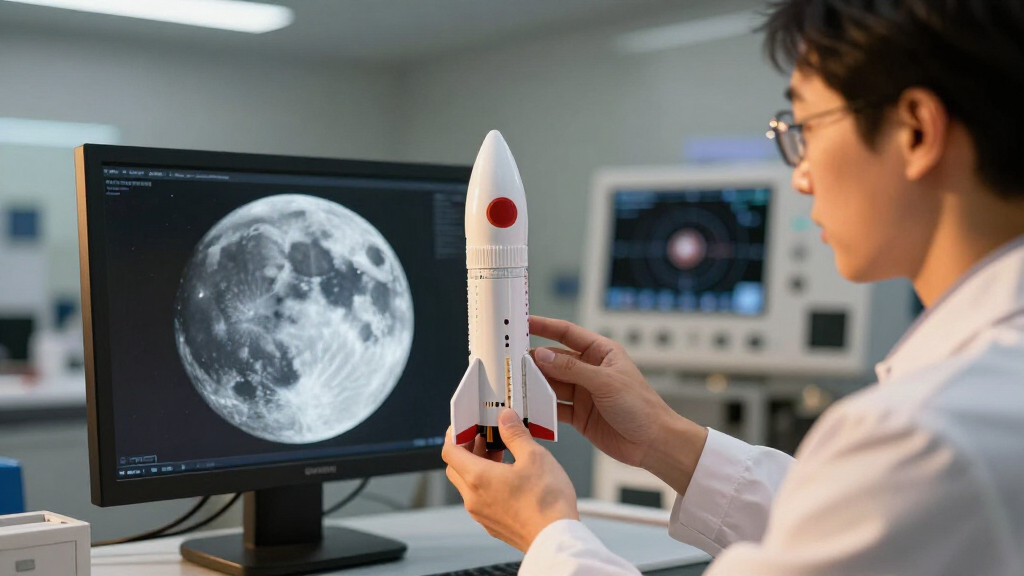
Space tracking agencies have confirmed that a decommissioned upper stage from a past lunar mission will collide with the Moon on August 5, 2026. This event marks one of the few documented cases of human-made debris intentionally or unintentionally impacting the lunar surface, raising questions about space debris management and planetary protection.
The upper stage in question was part of a lunar mission launched in 2014, which used a rocket stage that was left in orbit after deployment. According to data from the European Space Agency (ESA) and NASA’s orbital tracking systems, the stage is on a collision course with the Moon, with impact expected on August 5, 2026. The agencies confirmed this trajectory through recent orbit calculations, which show a high probability of impact within a narrow window.
Scientists and space agencies are monitoring the situation closely. The impact is expected to occur in the lunar far side, away from known landing sites and lunar bases, minimizing immediate risks to current lunar operations. However, the event has sparked discussions about the long-term implications of space debris on celestial bodies and the need for better debris mitigation strategies.
Officials from ESA and NASA stated that they are tracking the object continuously and are preparing for any unforeseen deviations in the predicted impact time or location. The impact is unlikely to produce significant debris or observable effects on the lunar surface but could contribute to the growing body of human-made objects on the Moon.
Implications for Space Debris and Lunar Preservation
This collision underscores ongoing concerns about space debris, especially as human activity extends further into the solar system. The impact of an orbiting upper stage on the Moon highlights the need for international protocols to prevent contamination and manage space debris effectively. While the event itself is unlikely to cause substantial surface changes, it raises awareness about the long-term sustainability of space exploration and planetary protection efforts.
Additionally, the event offers an opportunity for scientists to study the effects of human-made impacts on lunar geology and to develop better tracking and mitigation techniques for future missions. It also emphasizes the importance of responsible end-of-life planning for space hardware.
As an affiliate, we earn on qualifying purchases.
Background on Lunar Space Debris and Past Impacts
The 2014 lunar mission involved deploying a spacecraft that included an upper stage, which was left in lunar orbit. Similar incidents of space debris impacting the Moon have been rare but documented, such as the 2009 impact of a lunar orbiter debris fragment. These events are often unintentional but highlight the growing presence of human-made objects on celestial bodies.
Current efforts by space agencies aim to track and catalog debris to prevent collisions with operational spacecraft. The upcoming impact in August 2026 is one of the most predictable in recent years, thanks to advancements in orbital tracking technology and international cooperation.
There is ongoing debate about whether space agencies should actively remove or deorbit such objects to prevent potential contamination or damage to future lunar missions.
Unconfirmed Details and Potential Deviations
While current data indicates a high probability of impact on August 5, 2026, small deviations in orbit calculations could shift the impact date or location slightly. It is not yet clear whether the impact will produce measurable effects on the lunar surface or if any debris will escape the impact site. Further monitoring is ongoing to refine predictions.
Upcoming Monitoring and Impact Confirmation Efforts
Space agencies will continue tracking the upper stage until the impact occurs. They plan to release updates as the date approaches and will analyze the impact effects afterward. Researchers aim to study the impact site to understand the interaction between human-made objects and lunar geology better. International coordination will also focus on developing guidelines for debris mitigation for future lunar activities.
Key Questions
Will the impact of the upper stage affect future lunar missions?
Currently, the impact is expected to occur on the far side of the Moon, away from active landing sites, and is unlikely to affect ongoing or planned missions.
Could this impact create debris that threatens other spacecraft?
Given the nature of the impact and the low likelihood of debris escape, it is unlikely to pose a significant threat to other spacecraft or lunar stations.
Why was the upper stage left in orbit for so long?
The stage was part of a lunar mission in 2014, and at the time, deorbiting or disposal options were limited. Current protocols emphasize better end-of-mission planning.
Is this impact part of a larger trend of space debris on the Moon?
While impacts like this are rare, they highlight the increasing presence of human-made objects on the Moon, raising concerns about long-term planetary protection.
Source: hn
Fall Picks
fall essentials
As an affiliate, we earn on qualifying purchases.