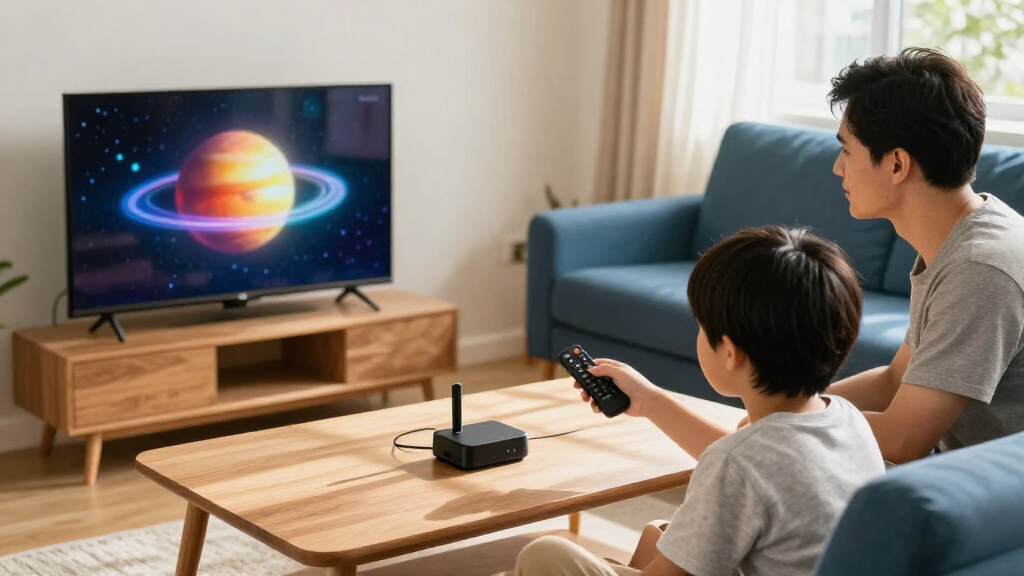
Choosing the best media streaming device in 2027 depends largely on your ecosystem and picture quality needs. The NVIDIA Shield TV Pro remains the performance king for enthusiasts needing high-end upscaling and local file support, while the Google TV Streamer offers the most intuitive interface for Android and smart home users. For most households, the Roku Ultra strikes the best balance between price and premium features, including a remote finder and headphone jack. The main tradeoff lies between raw processing power, which benefits local media and gaming, and ease of use, which favors simpler platforms like Roku. This guide breaks down the top 14 options to help you find the right fit for your setup.

Prime made for students and young adults
- Fast, free delivery for dorm and study essentials
- Prime Video and Amazon Music included
- Member-only deals
Key Takeaways
- The NVIDIA Shield TV Pro is the only device in this lineup with robust local file playback and AI upscaling, making it distinct from cloud-first competitors.
- Roku devices dominate the budget and mid-range categories due to their universal app support and lack of vendor lock-in to specific voice assistants.
- Google TV Streamer provides the most comprehensive smart home integration, acting as a Thread border router and Matter hub, unlike most Roku or Fire TV models.
- Renewed units like the Roku Ultra (Renewed) offer near-flagship performance at a fraction of the cost, provided you accept minor cosmetic wear and shorter warranties.
- Wi-Fi 6E support is now a key differentiator in high-end models like the Amazon Fire TV Cube, reducing buffering during 4K HDR streams in congested networks.
| NVIDIA Shield TV Pro 4K HDR Streaming Media Player |  | Best for Home Media Libraries | Processor: NVIDIA Tegra X1+ | Memory: 3 GB RAM | Storage: 16 GB | VIEW LATEST PRICE | See Our Full Breakdown |
| Google TV Streamer 4K with Voice Remote, 32 GB Storage, Porcelain |  | Best for Content Discovery | Model: Google TV Streamer 4K (GRS6B) | Storage: 32 GB | Memory: 4 GB RAM | VIEW LATEST PRICE | See Our Full Breakdown |
| Roku Premiere HD and 4K UHD Streaming Media Player |  | Best for Straightforward 4K Streaming | Maximum resolution: 4K UHD, up to 2160p at 60 fps | HD support: Up to 1080p, with upscaling from 720p | Processor: Quad-core | VIEW LATEST PRICE | See Our Full Breakdown |
| Roku Ultra Ultimate Streaming Player (Renewed) – 4K Streaming |  | Best Premium Roku Experience | Model: Roku Ultra 2024 | Resolution and HDR: 4K HDR10+ and Dolby Vision | Audio: Dolby Atmos | VIEW LATEST PRICE | See Our Full Breakdown |
| Roku Streaming Stick 4K with Voice Remote |  | Best Compact Streaming Device | Model: 3820R2 | Resolution: 4K UHD, up to 2160p at 60 fps | HDR formats: Dolby Vision, HDR10, HDR10+ | VIEW LATEST PRICE | See Our Full Breakdown |
| Amazon Fire TV Cube (3rd Gen) 4K Ultra HD Streaming Media Player with Alexa and Wi-Fi 6E |  | Best for Hands-Free Control | Video: Up to 4K Ultra HD; Dolby Vision, HDR10, HDR10+, HLG | Audio: Dolby Atmos; 7.1 surround sound; HDMI audio pass-through up to 5.1 | Processor: Octa-core: 4 × 2.2 GHz and 4 × 2.0 GHz | VIEW LATEST PRICE | See Our Full Breakdown |
| Roku Ultra 4K Streaming Player with Voice Remote Pro |  | Best Remote and Connectivity | Resolution: 4K (3840 pixels) | HDR formats: Dolby Vision, HDR10, HDR10+, HLG | Audio: Dolby Atmos | VIEW LATEST PRICE | See Our Full Breakdown |
| onn Android TV 2K FHD Streaming Stick with Voice Remote |  | Best for Google Play and Casting on a 1080p TV | Resolution: Up to 1080p | Connectivity: HDMI, Wi-Fi | Casting: Chromecast built in | VIEW LATEST PRICE | See Our Full Breakdown |
| Roku Express HD Streaming Media Player, Black (Renewed) |  | Best Basic Roku Option | Resolution: 1080p HD (1920 × 1080 pixels) | Connectivity: Wi-Fi | Connector: HDMI | VIEW LATEST PRICE | See Our Full Breakdown |
| Roku Premiere 4K/HDR Streaming Media Player with HDMI Cable and Simple Remote |  | Best Compact 4K Value | Resolution: 4K, HD, HDR | Connectivity: HDMI, Wi-Fi | Remote: Standard remote with channel shortcut buttons | VIEW LATEST PRICE | See Our Full Breakdown |
| onn Android TV 4K UHD Streaming Device with Voice Remote and HDMI Cable, Black |  | Best Budget Android TV Option | Operating System: Android TV | Resolution: 4K UHD (3840 x 2160) | Storage: 8 GB | VIEW LATEST PRICE | See Our Full Breakdown |
| Amazon Fire TV Stick 4K Plus (2026) with Alexa Voice Remote |  | Best Overall Performance | Processor: Quad-core 1.7GHz | Wi-Fi: Wi-Fi 6 dual-band | Video Formats: Dolby Vision, HDR10+, HLG | VIEW LATEST PRICE | See Our Full Breakdown |
| Amazon Fire TV Stick 4K Select Streaming Device |  | Best Value 4K Stick | Processor: Quad-core 1.7 GHz | Wi-Fi: Dual-band Wi-Fi 5 (802.11ac) | Video Formats: HDR10, HDR10+, HLG | VIEW LATEST PRICE | See Our Full Breakdown |
| Roku Express 4K Streaming Media Player with Simple Remote and HDMI Cable (Renewed) |  | Best Simple Plug-and-Play | Brand: Roku | Model: Express 4K (2022) | Condition: Renewed | VIEW LATEST PRICE | See Our Full Breakdown |
| media streaming device | Connectivity | Resolution |
|---|---|---|
| NVIDIA Shield TV Pro 4K HDR St | Gigabit Ethernet, dual-band AC Wi-Fi, Bluetooth 5.0 | — |
| Google TV Streamer 4K with Voi | Ethernet and Wi-Fi | — |
| Roku Premiere HD and 4K UHD St | Dual-band 802.11ac Wi-Fi | — |
| Roku Ultra Ultimate Streaming | Wi-Fi 6, Ethernet, Bluetooth, HDMI, USB | — |
| Roku Streaming Stick 4K with V | Wi-Fi | 4K UHD, up to 2160p at 60 fps |
| Amazon Fire TV Cube | — | — |
| Roku Ultra 4K Streaming Player | Wi-Fi 6, Bluetooth, HDMI, Ethernet, USB | 4K (3840 pixels) |
| onn Android TV 2K FHD Streamin | HDMI, Wi-Fi | Up to 1080p |
| Roku Express HD Streaming Medi | Wi-Fi | 1080p HD (1920 × 1080 pixels) |
| Roku Premiere 4K/HDR Streaming | HDMI, Wi-Fi | 4K, HD, HDR |
| onn Android TV 4K UHD Streamin | Wi-Fi, HDMI | 4K UHD (3840 x 2160) |
| Amazon Fire TV Stick 4K Plus | — | — |
| Amazon Fire TV Stick 4K Select | — | — |
| Roku Express 4K Streaming Medi | Wi-Fi, HDMI | Up to 4K UHD |
More Details on Our Top Picks
NVIDIA Shield TV Pro 4K HDR Streaming Media Player
The NVIDIA Shield TV Pro is the most capable pick here for buyers who want more than a simple app streamer. Its AI upscaling can make HD video look sharper on a 4K television, while Dolby Vision and Dolby Atmos support suit a higher-end home theater. The built-in Plex Media Server and two USB ports also give it a useful role for people organizing local media or connecting storage. Compared with the Google TV Streamer 4K, the Shield offers more media-server flexibility, while Google’s device supplies more storage and a simpler content-discovery focus. The tradeoff is that the Shield’s extra capabilities may be unnecessary for app-only viewing, and its game controller is sold separately. I’d choose it for a media library, not just a basic streaming setup.
Pros:- AI upscaling can improve the appearance of HD video on a 4K TV
- Supports Dolby Vision HDR and Dolby Atmos audio
- Built-in Plex Media Server and two USB 3.0 ports add local-media flexibility
- Remote has voice control, backlit buttons, and a locator
Cons:- Game controller is sold separately
- Its media-server and USB features may be unnecessary for basic streaming
- SmartThings hub functionality requires a separate SmartThings Link
Best for: Home theater owners who keep a Plex library, want AI upscaling, and may connect USB storage or accessories
Not ideal for: Viewers who mainly open a few streaming apps and want a straightforward device without extra media-server features
- Processor:NVIDIA Tegra X1+
- Memory:3 GB RAM
- Storage:16 GB
- Video:4K HDR with Dolby Vision; AI upscaling from HD to 4K
- Audio:Dolby Atmos and Dolby Digital Plus
- Connectivity:Gigabit Ethernet, dual-band AC Wi-Fi, Bluetooth 5.0
- Ports:2 USB 3.0
- Software:Android TV, Plex Media Server, Chromecast 4K built in
Our verdict“Choose the Shield TV Pro if local media, Plex, and advanced home-theater features matter more than keeping your streamer simple.”
Google TV Streamer 4K with Voice Remote, 32 GB Storage, Porcelain
The Google TV Streamer 4K makes the most sense for viewers who want one place to browse shows across services rather than jumping between apps to decide what to watch. Its personalized recommendations and watchlist put discovery at the center, and 32 GB of storage gives it more room than the Shield TV Pro’s 16 GB. It supports 4K HDR with Dolby Vision and works with Dolby Atmos-compatible speakers, so its convenience does not mean giving up key home-theater formats. Compared with the Roku Streaming Stick 4K, this is a better fit for a living-room setup that benefits from Ethernet and smart-home controls; the Roku stick is easier to hide and depends on Wi-Fi. The Google device does require a separately purchased HDMI 2.1 cable, and buyers seeking Plex or USB flexibility should favor the Shield instead.
Pros:- Brings recommendations and a watchlist together across streaming services
- Supports 4K HDR with Dolby Vision
- Includes 32 GB storage and 4 GB RAM
- Offers Ethernet, Wi-Fi, voice control, and smart-home controls
Cons:- HDMI 2.1 cable is required and sold separately
- Its set-top design is less discreet than the Roku Streaming Stick 4K
- Does not include the Shield TV Pro’s stated Plex Media Server and USB ports
Best for: Viewers who subscribe to several streaming services and want personalized browsing, a watchlist, and smart-home controls
Not ideal for: Buyers who want a discreet stick, built-in Plex Media Server, or USB ports for local media
- Model:Google TV Streamer 4K (GRS6B)
- Storage:32 GB
- Memory:4 GB RAM
- Video output:3840 × 2160
- Video codec:H.265
- Connectivity:Ethernet and Wi-Fi
- Supported services:Google TV, Hulu, Netflix, Prime Video, YouTube
- Dimensions:6.4 × 3 × 1 inches
Our verdict“Pick the Google TV Streamer 4K if finding what to watch across multiple services is your priority and you want wired-network and smart-home options.”
Roku Premiere HD and 4K UHD Streaming Media Player
The Roku Premiere is a simple choice for buyers who want a compact, familiar streaming setup with support for both HD and 4K televisions. It handles 4K UHD playback up to 60 fps on compatible TVs and can upscale lower-resolution video for HD sets, making it less dependent on an immediate TV upgrade. Its private-listening remote is a useful distinction from the Google TV Streamer 4K’s emphasis on recommendations and smart-home controls. Compared with the Roku Streaming Stick 4K, the Premiere is a small standalone player rather than a stick designed to hide behind a television. The tradeoffs are its reliance on dual-band Wi-Fi and the fact that 4K viewing requires compatible hardware and content; not every listed channel offers 4K. I’d pick it for uncomplicated streaming, not advanced picture processing.
Pros:- Supports 4K UHD playback up to 2160p at 60 fps on compatible TVs
- Works with HD televisions and upscales video from 720p
- Remote supports private listening
- Quad-core processor and dual-band Wi-Fi
Cons:- 4K playback requires a compatible television and available 4K content
- 4K is not available on all supported channels
- Uses Wi-Fi rather than a listed Ethernet connection
Best for: Viewers who want a basic Roku player for an HD or 4K television and value private listening through the remote
Not ideal for: Buyers who need Ethernet, advanced HDR format support, or assurance that every channel will offer 4K content
- Maximum resolution:4K UHD, up to 2160p at 60 fps
- HD support:Up to 1080p, with upscaling from 720p
- Processor:Quad-core
- Connectivity:Dual-band 802.11ac Wi-Fi
- Connector:HDMI
- Controller:Remote control with private listening support
- Supported services:Amazon Instant Video, Vudu, Netflix, Hulu Plus, YouTube, Roku Channel
- Dimensions:4.9 × 4.9 × 0.85 inches
Our verdict“Choose the Roku Premiere for uncomplicated Roku streaming on an HD or 4K TV, provided Wi-Fi and channel-dependent 4K support suit your setup.”
Roku Ultra Ultimate Streaming Player (Renewed) – 4K Streaming
The Roku Ultra is the Roku choice for buyers who want a faster interface, more connection options, and a more capable remote than the Roku Premiere provides. It supports 4K HDR10+, Dolby Vision, and Dolby Atmos, while Wi-Fi 6 and Ethernet give it more network flexibility than the Roku Streaming Stick 4K, which relies on Wi-Fi. The rechargeable Voice Remote Pro adds backlit buttons and a lost-remote finder, useful in a busy living room, though it needs periodic charging. This listing is renewed, and its 90-day limited warranty is a meaningful caveat compared with choosing a new device. The stronger feature set also matters less if your Roku use is limited to occasional viewing. I’d reserve this pick for someone who values a full-featured Roku player and accepts the shorter warranty.
Pros:- Supports 4K HDR10+, Dolby Vision, and Dolby Atmos
- Includes Wi-Fi 6, Bluetooth, and Ethernet connectivity
- Voice Remote Pro has backlit buttons and a lost-remote finder
- Listing describes streaming performance as up to 30% faster than other Roku players
Cons:- Renewed unit includes only a 90-day limited warranty
- Rechargeable remote needs regular charging
- Larger feature set may be unnecessary for basic app streaming
Best for: Roku users with a 4K HDR home theater who want Ethernet or Wi-Fi 6, a faster interface, and a remote finder
Not ideal for: Buyers who prefer a new device with a longer warranty, a hidden HDMI stick, or a remote that does not need charging
- Model:Roku Ultra 2024
- Resolution and HDR:4K HDR10+ and Dolby Vision
- Audio:Dolby Atmos
- Connectivity:Wi-Fi 6, Ethernet, Bluetooth, HDMI, USB
- Remote:Rechargeable Voice Remote Pro with backlit buttons and lost-remote finder
- Included items:HDMI cable, power adapter, USB-C charging cable for remote
- Warranty:90-day limited warranty
Our verdict“Choose this renewed Roku Ultra for its richer connectivity and remote features only if its short warranty is acceptable to you.”
Roku Streaming Stick 4K with Voice Remote
The Roku Streaming Stick 4K is the easiest fit when a visible player or crowded TV stand is the problem: its compact HDMI-stick design sits behind the television and is made not to block nearby HDMI ports. It brings 4K UHD, Dolby Vision, and HDR10+ to that small form, with long-range Wi-Fi for streaming without a wired network connection. Compared with the Roku Ultra, it trades Ethernet, Wi-Fi 6, and the rechargeable remote’s finder features for a less conspicuous setup. The Roku Premiere is another Roku alternative, but its standalone player design is less suited to hiding behind a screen. This stick depends on Wi-Fi, and its 4K benefits require a compatible TV. I’d choose it for a tidy installation, not for a home theater that needs wired networking.
Pros:- Compact HDMI stick stays hidden behind the TV
- Designed not to block neighboring HDMI ports
- Supports 4K UHD with Dolby Vision, HDR10, and HDR10+
- Long-range Wi-Fi receiver and voice remote
Cons:- Streaming depends on Wi-Fi; Ethernet is not listed
- A compatible 4K television is needed to use its full resolution
- Its compact design offers fewer listed connection options than the Roku Ultra
Best for: People with a crowded TV stand or wall-mounted television who want 4K Roku streaming from a device hidden behind the screen
Not ideal for: Viewers who need Ethernet, want a standalone player, or have unreliable Wi-Fi
- Model:3820R2
- Resolution:4K UHD, up to 2160p at 60 fps
- HDR formats:Dolby Vision, HDR10, HDR10+
- Connectivity:Wi-Fi
- Supported video codecs:H.264/AVC, H.265/HEVC, AV1, VP9
- Memory:1 GB RAM
- Storage:16 GB
- Dimensions:3.7 × 0.8 × 0.45 inches
Our verdict“Choose the Roku Streaming Stick 4K when a discreet installation and broad HDR support matter more than Ethernet or premium remote features.”
Amazon Fire TV Cube (3rd Gen) 4K Ultra HD Streaming Media Player with Alexa and Wi-Fi 6E
The Fire TV Cube is the most control-focused option here: its octa-core processor is designed for quick app starts, while hands-free Alexa can handle commands without picking up the remote. It also combines 4K playback with Dolby Vision, HDR formats, and Dolby Atmos, making it a stronger fit for a capable home theater than the 1080p onn Android TV stick or Roku Express HD. Wi-Fi 6E and HDMI input and output add flexibility, but the wireless upgrade only helps with a compatible router and network setup. The Cube is larger and more involved than a stick-style player, and its 2 GB of memory and 16 GB of storage may matter to buyers who want room for lots of apps. Its microphone disconnect button offers a clear privacy control.
Pros:- Octa-core processor supports fast app starts
- 4K video support includes Dolby Vision and multiple HDR formats
- Hands-free Alexa works without reaching for the remote
- Microphone off button electronically disconnects the microphones
Cons:- Wi-Fi 6E benefits require compatible router, 6 GHz band, and WPA3 encryption
- Larger and heavier than stick-style options such as the onn Android TV 2K FHD Streaming Stick
- 4K and some HDR content require compatible equipment and separate service access
Best for: Home theater owners who want hands-free Alexa, fast app access, and 4K HDR and Atmos support in one device
Not ideal for: Viewers with a 1080p-only TV, no compatible Wi-Fi 6E router, or a preference for a small, simple streaming stick
- Video:Up to 4K Ultra HD; Dolby Vision, HDR10, HDR10+, HLG
- Audio:Dolby Atmos; 7.1 surround sound; HDMI audio pass-through up to 5.1
- Processor:Octa-core: 4 × 2.2 GHz and 4 × 2.0 GHz
- Storage and memory:16 GB internal storage; 2 GB internal memory
- Wi-Fi:Tri-band Wi-Fi 6E; supports 802.11a/b/g/n/ac/ax
- Ports:HDMI 2.1 input and output, IR extender, USB-A 2.0, 10/100 Mbps Ethernet, power
- Voice control:Hands-free Alexa; included Alexa Voice Remote or Fire TV app
- Dimensions and weight:3.38 × 3.38 × 2.99 in; 513 g (1.13 lbs)
Our verdict“Choose the Fire TV Cube if hands-free Alexa and robust home theater control matter more than compact size and simple setup.”
Roku Ultra 4K Streaming Player with Voice Remote Pro
The Roku Ultra suits viewers who want a full-featured player but value a thoughtful remote as much as picture quality. Its rechargeable Voice Remote Pro has backlit buttons, hands-free voice control, and a remote finder—useful details the standard remote supplied with the Roku Premiere lacks. The player also supports 4K, Dolby Vision, HDR10+, and Dolby Atmos, with Wi-Fi 6, Ethernet, Bluetooth, and USB for flexible connections. Compared with the Fire TV Cube, it skips hands-free Alexa built into the player and Wi-Fi 6E, but its Roku setup may be a better match for people seeking a dedicated streamer with a feature-rich remote. It still needs an HDMI-equipped TV, and its 4K and HDR benefits depend on compatible display and content.
Pros:- 4K playback with Dolby Vision, HDR10+, and HLG support
- Dolby Atmos audio support
- Rechargeable remote includes backlit buttons, hands-free voice control, and a remote finder
- Wi-Fi 6, Bluetooth, Ethernet, and USB connectivity
Cons:- Requires a TV with an HDMI interface
- Lacks the Fire TV Cube’s built-in hands-free Alexa and Wi-Fi 6E
- Its 4K and HDR formats require compatible TV and content
Best for: Viewers with a 4K TV who want a rechargeable, easy-to-find remote and both wireless and Ethernet connectivity
Not ideal for: People who want hands-free Alexa built into the player, or who only need basic 1080p streaming
- Resolution:4K (3840 pixels)
- HDR formats:Dolby Vision, HDR10, HDR10+, HLG
- Audio:Dolby Atmos
- Connectivity:Wi-Fi 6, Bluetooth, HDMI, Ethernet, USB
- Remote:Rechargeable Voice Remote Pro with backlit buttons, hands-free voice control, and remote finder
- Wireless standard:Wi-Fi 6 (802.11ax), MIMO
- Smart home compatibility:Apple HomeKit, Amazon Alexa, Google Assistant
- Dimensions and weight:5 × 4.9 × 1 in; 0.2 kg
Our verdict“Pick the Roku Ultra if a capable 4K player and a well-equipped rechargeable remote are your priorities.”
onn Android TV 2K FHD Streaming Stick with Voice Remote
The onn Android TV 2K FHD Streaming Stick is a sensible match for a secondary or older TV where 1080p is enough. Access to the Google Play Store and built-in Chromecast make it easy to find apps or send video from a phone, tablet, or PC; that casting emphasis separates it from the Roku Express HD, which instead pairs its player with the Roku mobile app. The included HDMI cable and power adapter also make setup less dependent on having spare accessories. The tradeoff is a firm resolution ceiling: unlike the Roku Premiere, this stick does not support 4K or HDR. It needs Wi-Fi and an HDMI connection, and its listed warranty is only three months, so it is a less compelling fit as the centerpiece of a new 4K living-room setup.
Pros:- Google Play Store provides access to Android TV apps
- Chromecast built in supports casting from phones, tablets, and PCs
- Voice control is available through the remote microphone
- HDMI cable and power adapter are included
Cons:- Maximum listed resolution is 1080p, below the Roku Premiere’s 4K support
- Requires both an HDMI connection and Wi-Fi
- Listed warranty is three months
Best for: Owners of 1080p TVs who use Google Play apps or regularly cast videos from phones, tablets, or PCs
Not ideal for: 4K TV owners, viewers seeking HDR formats, or buyers who want a longer listed warranty
- Resolution:Up to 1080p
- Connectivity:HDMI, Wi-Fi
- Casting:Chromecast built in
- Screen mirroring:Miracast
- Audio:Dolby Audio, Dolby Digital
- Included accessories:Remote control, HDMI cable, power adapter, user manual
- Weight:8.8 ounces
- Warranty:3 months
Our verdict“Choose this stick for an existing 1080p TV if Google Play access and Chromecast matter more than 4K support.”
Roku Express HD Streaming Media Player, Black (Renewed)
The Roku Express HD (Renewed) keeps the job straightforward: stream up to 1080p over Wi-Fi, use the included remote, and reach voice search or private listening through the Roku mobile app. It is a simpler, lower-resolution alternative to the Roku Premiere, which adds 4K and HDR support, and it does not offer the onn stick’s Google Play and Chromecast approach. The Express includes an HDMI cable, power adapter, USB power cable, and remote, so the core setup pieces are provided. Its limits are just as clear: it requires an internet connection, tops out at 1080p, and the remote relies on replaceable AAA batteries. Because this is a renewed unit with a 90-day limited warranty, buyers should weigh that shorter coverage against the appeal of a basic Roku setup.
Pros:- Streams up to 1080p HD
- Includes HDMI, power accessories, remote, and batteries
- Roku mobile app offers voice search and private listening
- Remote includes channel shortcut buttons
Cons:- Does not support the 4K and HDR formats available on the Roku Premiere
- Streaming requires an internet connection
- Renewed unit has a 90-day limited warranty and the remote uses AAA batteries
Best for: Viewers with a 1080p TV who want a straightforward Roku interface and mobile-app voice search or private listening
Not ideal for: 4K TV owners, people who want built-in Ethernet, or buyers who prefer a new device with a longer warranty
- Resolution:1080p HD (1920 × 1080 pixels)
- Connectivity:Wi-Fi
- Connector:HDMI
- Video codecs:H.264, MPEG-4, and others
- Dimensions:2.83 × 1.54 × 0.75 in
- Weight:1.1 oz
- Included items:High Speed HDMI cable, power adapter, USB power cable, remote, two AAA batteries
- Warranty:90 days limited
Our verdict“Choose the renewed Express if you want basic Roku streaming on a 1080p TV and accept its shorter warranty.”
Roku Premiere 4K/HDR Streaming Media Player with HDMI Cable and Simple Remote
The Roku Premiere brings 4K and HDR playback to a compact player without the premium remote package found with the Roku Ultra. Its included high-speed HDMI cable helps simplify connection, while the standard remote’s channel shortcuts and Roku mobile app keep navigation familiar. Apple AirPlay, Miracast, and support for Siri, Alexa, and Google Assistant offer more ways to send or control content than the 1080p Roku Express HD. The tradeoff is a basic remote rather than the Ultra’s rechargeable, backlit Voice Remote Pro, and the listed connectivity is Wi-Fi and HDMI, with no Ethernet listed. This makes the Premiere better for a straightforward 4K setup than for buyers who want advanced wired networking or a premium remote. Streaming also depends on an internet connection.
Pros:- Supports HD, 4K, and HDR streaming
- Includes a high-speed HDMI cable
- Works with Siri, Alexa, and Google Assistant
- Supports Apple AirPlay, Miracast, and mobile-app headphone mode
Cons:- Standard remote lacks the rechargeable and backlit features of the Roku Ultra remote
- Listed connectivity includes Wi-Fi and HDMI but not Ethernet
- Streaming requires an internet connection
Best for: Viewers upgrading to 4K who want a compact Roku player, included HDMI cable, and AirPlay support without a premium remote
Not ideal for: People who want a rechargeable backlit remote, built-in Ethernet, or streaming without an internet connection
- Resolution:4K, HD, HDR
- Connectivity:HDMI, Wi-Fi
- Remote:Standard remote with channel shortcut buttons
- Voice assistant compatibility:Siri, Alexa, Google Assistant
- Additional features:Apple AirPlay, Miracast, automatic software updates, mobile app headphone mode
- Video codecs:H.264, H.265/HEVC
- Included accessories:Premium High Speed HDMI cable, USB extension cord
- Dimensions and weight:6.5 × 5 × 2 in; 0.27 kg
Our verdict“Pick the Premiere for compact Roku 4K streaming and AirPlay if a basic remote and Wi-Fi-only connection suit your setup.”
onn Android TV 4K UHD Streaming Device with Voice Remote and HDMI Cable, Black
This device stands out as the most accessible entry point into the Android TV ecosystem at a budget price. Unlike the Amazon Fire TV Stick 4K Plus, which locks users into Amazon’s FireOS, this onn model grants access to the full Google Play Store, allowing for sideloading apps and broader software compatibility. The inclusion of a voice remote with Google Assistant makes navigation intuitive for those already embedded in the Google ecosystem. However, the 8 GB of storage is a significant limitation compared to premium competitors. Users will likely need to manage app installations carefully or rely heavily on casting, as the internal space fills quickly with updates and cache. It is a capable 4K player, but it lacks the high-end audio processing and Wi-Fi 6 speeds found in more expensive units, making it best for secondary TVs or budget-conscious primary setups where app variety matters more than raw performance.
Pros:- Full access to Google Play Store apps
- Built-in Chromecast for easy casting
- Voice remote with Google Assistant
- Includes HDMI cable in the box
Cons:- Only 8 GB of internal storage
- Limited to United States regional compatibility
- Lacks advanced audio formats like Dolby Atmos
Best for: Budget-conscious buyers who want Android TV flexibility and Google Play access without paying premium prices.
Not ideal for: Power users who need large internal storage for many installed apps or advanced home theater audio features.
- Operating System:Android TV
- Resolution:4K UHD (3840 x 2160)
- Storage:8 GB
- RAM:2 GB
- Connectivity:Wi-Fi, HDMI
- Casting Support:Built-in Chromecast
- Voice Assistant:Google Assistant
- Region:United States
Our verdict“This is the smart choice for viewers who prioritize app variety and Google integration over raw processing power.”
Amazon Fire TV Stick 4K Plus (2026) with Alexa Voice Remote
As the flagship stick in Amazon’s lineup, this model delivers superior streaming stability via Wi-Fi 6, a tangible upgrade over the dual-band Wi-Fi 5 found in the Fire TV Stick 4K Select. This connectivity boost means smoother playback during peak household internet usage. The device also supports Dolby Vision and HDR10+, offering vibrant color depth that matches premium competitors like the Google TV Streamer, albeit at a lower price point. The integration of Alexa Voice Remote extends beyond media control, allowing users to manage smart home devices and TV power/volume directly. While it excels in video quality and network efficiency, the 8 GB storage limit remains a bottleneck for heavy app users. Additionally, cloud gaming features require separate subscriptions and controllers, which are not included, potentially complicating the value proposition for gamers who expect all-in-one functionality.
Pros:- Wi-Fi 6 support for stable streaming
- Supports Dolby Vision and HDR10+
- Alexa remote controls TV power and volume
- Compact design fits behind most TVs
Cons:- Only 8 GB of internal storage
- Cloud gaming requires extra subscriptions/hardware
- 4K/HDR content depends on specific service availability
Best for: Households with congested Wi-Fi networks and users deeply integrated into the Alexa smart home ecosystem.
Not ideal for: Users who want to install dozens of apps without worrying about storage limits or those who dislike Amazon’s interface.
- Processor:Quad-core 1.7GHz
- Wi-Fi:Wi-Fi 6 dual-band
- Video Formats:Dolby Vision, HDR10+, HLG
- Audio Support:Dolby Atmos, 7.1 Surround
- Storage:8 GB
- Remote:Alexa Voice Remote with IR
- Dimensions:99 x 30 x 14 mm
- Max Resolution:4K at 60 fps
Our verdict“This stick offers the best balance of picture quality, network speed, and smart home control for most modern homes.”
Amazon Fire TV Stick 4K Select Streaming Device
This model occupies a middle ground, offering 4K HDR10+ support at a price point significantly lower than the Fire TV Stick 4K Plus. While it lacks the Wi-Fi 6 upgrade and Dolby Vision support of its sibling, it retains the core Fire TV experience, including access to free ad-supported channels and cloud gaming via Xbox Game Pass. The Alexa Voice Remote functions identically, providing voice search and device control. For users who do not have Wi-Fi 6 routers or do not prioritize Dolby Vision metadata, this stick delivers nearly identical visual performance for everyday streaming. The trade-off is in future-proofing; without Wi-Fi 6, buffering may occur in busy households, and the lack of Dolby Vision means slightly less dynamic range on compatible TVs compared to the Plus model. It is a pragmatic choice for those who want 4K without the premium connectivity features.
Pros:- Supports 4K and HDR10+
- Includes Alexa Voice Remote
- Access to free ad-supported content
- Significantly cheaper than the Plus model
Cons:- Wi-Fi 5 only (no Wi-Fi 6)
- No Dolby Vision support
- 8 GB storage is limiting for app-heavy users
Best for: Streamers who want 4K HDR10+ quality but don’t need Wi-Fi 6 or Dolby Vision support.
Not ideal for: Users with slow internet connections who need the stability of Wi-Fi 6 or those with Dolby Vision-capable TVs who want the best picture.
- Processor:Quad-core 1.7 GHz
- Wi-Fi:Dual-band Wi-Fi 5 (802.11ac)
- Video Formats:HDR10, HDR10+, HLG
- Storage:8 GB
- Remote:Alexa Voice Remote
- Max Resolution:4K at 60 fps
- Dimensions:3.9 x 1.2 x 0.6 in
- Audio:HDMI pass-through for Dolby
Our verdict“A solid, cost-effective 4K stick for users who prioritize price over cutting-edge connectivity standards.”
Roku Express 4K Streaming Media Player with Simple Remote and HDMI Cable (Renewed)
The Roku Express 4K distinguishes itself through interface simplicity, which many users find less cluttered than Amazon’s Fire TV or Google’s Android TV homescreens. As a renewed unit, it offers a lower price barrier to entry, though this comes with a 90-day limited warranty rather than the standard year-long coverage. The device supports 4K resolution and HDR, ensuring compatibility with modern TVs, but it lacks the advanced voice remote features found in Roku’s higher-tier sticks or the Roku Ultra. The included Simple Remote handles basic navigation and TV controls but does not offer voice search, which can make finding specific titles slower. This player is ideal for guests or secondary rooms where ease of use is paramount, but it requires careful consideration of the renewed condition and the lack of voice functionality compared to its direct competitors.
Pros:- Simple, uncluttered Roku interface
- Includes HDMI cable
- Supports 4K and HDR
- Lower cost as a renewed unit
Cons:- Remote lacks voice search functionality
- Renewed condition limits warranty to 90 days
- No advanced audio formats or Wi-Fi 6
Best for: Guest rooms, rentals, or users who prefer a simple, non-voice-controlled interface and want to save money on a renewed device.
Not ideal for: Users who rely on voice search for navigation or those who want a new device with a full manufacturer warranty.
- Brand:Roku
- Model:Express 4K (2022)
- Condition:Renewed
- Resolution:Up to 4K UHD
- Remote Type:Simple Remote (No Voice)
- Connectivity:Wi-Fi, HDMI
- Warranty:90-day limited
- Included:Premium HDMI Cable
Our verdict“This renewed stick is a budget-friendly, no-fuss option for users who don’t need voice control or new-device warranties.”
How We Picked
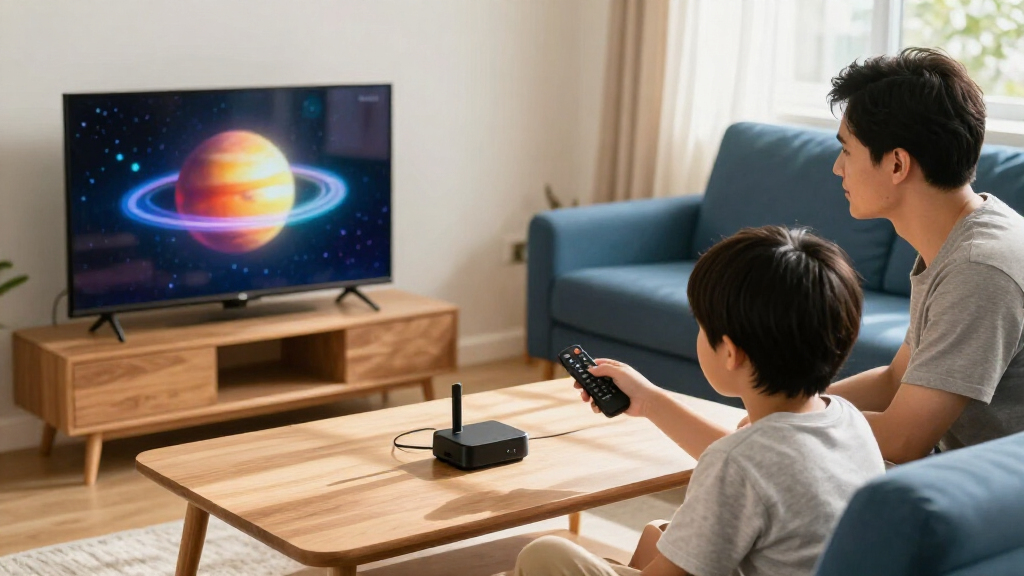
I evaluated these devices based on four core pillars: performance and responsiveness, app ecosystem breadth, interface usability, and hardware longevity. Performance was judged by how quickly apps launch and how smoothly the system handles 4K HDR content without stuttering. I prioritized devices that offer consistent updates, as older hardware often suffers from app incompatibility over time.
The ranking logic prioritizes versatility for the average user, placing devices with broad app support and intuitive interfaces higher than niche players. However, specialized devices like the NVIDIA Shield are ranked highly for specific use cases like high-bitrate local streaming. I also weighed the value proposition, factoring in whether a device’s premium features justify the price tag compared to more affordable alternatives in the same ecosystem.
Factors to Consider When Choosing Best Media Streaming Devices
Selecting a streaming player involves more than just picking the cheapest option. Your choice should align with your television’s capabilities, your internet speed, and your preferred content sources. Below are the critical factors to weigh before making a purchase.
Operating System and Ecosystem Lock-in
The operating system dictates your daily user experience and long-term flexibility. Roku OS is agnostic, allowing you to use any voice assistant and switch between services easily, which is ideal if you dislike being tied to one brand. Google TV integrates deeply with Android phones and Google Home, offering personalized recommendations but requiring a Google account. Amazon Fire TV excels for Prime Video subscribers and Alexa users but can feel cluttered with ads. If you already own a smart TV with a built-in OS, adding a separate stick might be redundant unless the TV’s interface is slow or lacks specific apps. Consider your existing smart home setup, as some devices like the Google TV Streamer offer hub capabilities that others lack.
Video and Audio Format Support
Not all devices handle advanced formats equally, which impacts picture quality on modern TVs. Ensure the device supports Dolby Vision and Dolby Atmos if your television and sound system do. Entry-level sticks often drop Dolby Vision support, limiting you to HDR10, which may look less vibrant on high-end panels. Check if the device supports AV1 decoding, a newer codec that reduces bandwidth usage for high-quality streams on platforms like YouTube. If you watch content via apps like Netflix or Disney+, verify that the device is certified for those services’ highest quality tiers. Skipping this step can result in paying for a premium subscription but receiving lower-resolution video than your TV can display.
Remote Control Features and Usability
The remote is your primary interface, yet it is often overlooked in specs. Voice remotes from Amazon and Google allow hands-free searching, which is faster than typing. Some Roku remotes include a headphone jack for private listening, a feature missing on most Fire TV and Google TV remotes. Universal remotes or those with backlighting add convenience in dark rooms. Consider whether you prefer a simple directional pad or a complex layout with dedicated app buttons. A lost remote can render a device useless, so models with remote finder features, like the Roku Ultra, add peace of mind. Evaluate the ergonomics if you have limited dexterity, as button size and spacing vary widely between brands.
Connectivity and Network Requirements
Streaming high-bitrate 4K content demands stable connectivity. Devices with Ethernet ports, such as the NVIDIA Shield and Roku Ultra, offer more reliable connections than Wi-Fi-only sticks, reducing buffering during peak hours. Wi-Fi 6 and 6E support helps maintain speed in crowded households with many connected devices. If you stream local media from a NAS or PC, wired connections are strongly recommended to handle large file sizes. Check if the device supports Miracast or AirPlay if you plan to cast content from your phone or tablet. Poor connectivity planning is a common mistake that leads to frustration, so match the device’s network capabilities to your home internet infrastructure.
Future-Proofing and Software Updates
Streaming devices become obsolete when apps stop supporting the OS. Roku and Amazon typically support their devices for five to seven years, while some budget models receive updates for only three to four. NVIDIA offers some of the longest support windows in the industry, often exceeding seven years for its premium models. Check the release date of the device; buying a model released more than two years ago may mean fewer years of remaining support. Consider whether the device receives OS-level updates or just minor security patches. A device that stops receiving updates will eventually lose access to key apps, forcing you to replace it sooner than expected. This long-term view often saves money compared to buying cheap devices that fail quickly.
Frequently Asked Questions
Do I need a streaming device if my TV is already smart?
You might not need one if your TV’s built-in interface is fast and includes all the apps you use. However, standalone devices like the Roku Streaming Stick 4K often offer faster load times, more frequent updates, and a cleaner interface than TV manufacturers provide. Smart TV apps can become outdated or buggy as the TV ages, whereas a $30 stick can be replaced easily. If your TV lacks specific apps or has a sluggish processor, adding a dedicated streaming player significantly improves the user experience. It also allows you to keep the same interface if you upgrade your TV later.
Is it worth buying a renewed streaming device?
Renewed devices, such as the Roku Ultra (Renewed), offer excellent value for budget-conscious buyers. These units are typically inspected, cleaned, and tested to ensure functionality, often performing identically to new ones. The main tradeoff is a shorter warranty period and potential cosmetic scratches. For devices like the Roku Ultra, which are durable and simple, the risk is low compared to complex electronics. However, avoid renewed units for devices with heavy wear on ports or those that rely heavily on battery-powered remotes, as these components may need replacement sooner.
Which streaming device is best for local media files?
The NVIDIA Shield TV Pro is the standout choice for local media enthusiasts. It supports a wide range of codecs and containers, including high-bitrate MKV files, ISOs, and FLAC audio, which many cloud-focused sticks cannot handle. It also supports PLEX and Jellyfin clients with hardware acceleration, ensuring smooth playback of 4K HDR content from your home server. Other devices like the Google TV Streamer can play some local files via apps, but they lack the robust hardware decoding capabilities of the Shield. If you primarily watch content from your own library, the Shield’s premium price is justified by its versatility and performance.
Do streaming devices slow down my Wi-Fi?
Streaming devices themselves do not slow down your Wi-Fi network for other devices, but they do consume bandwidth. A 4K HDR stream can use 15-25 Mbps, which may impact performance if your internet plan is slow or if many devices are active simultaneously. Devices with Wi-Fi 6E, like the Amazon Fire TV Cube, manage bandwidth more efficiently in congested environments. If you experience buffering, it is usually due to insufficient internet speed or weak signal strength, not the device interfering with the network. Using an Ethernet connection or placing the device closer to the router can resolve most connectivity issues without upgrading your internet plan.
Can I use a streaming device with a non-smart TV?
Yes, any streaming device with an HDMI output works with non-smart TVs that have an HDMI port. The device provides the smart interface and app access, effectively turning your older television into a smart TV. Models like the Roku Express or Amazon Fire TV Stick are ideal for this purpose due to their low cost and simple setup. You will need a power source for the device, so ensure your TV or outlet has a USB port or use the included power adapter. This is a cost-effective way to extend the life of a perfectly good HD television without buying a new smart model.
Conclusion
Choosing the best media streaming device comes down to matching hardware capabilities with your viewing habits. For most users, the Roku Ultra offers the best blend of performance, app support, and useful features like a headphone jack, making it the best overall choice. If you are deeply invested in the Google ecosystem and want smart home hub features, the Google TV Streamer is the superior option. Enthusiasts with large local libraries should invest in the NVIDIA Shield TV Pro for its unmatched media playback capabilities. Budget shoppers will find great value in the Roku Premiere or renewed models, which deliver 4K quality at a lower cost. Beginners who want simplicity should stick with the Roku Express, while Amazon Prime members will appreciate the convenience of the Fire TV Stick 4K Plus.