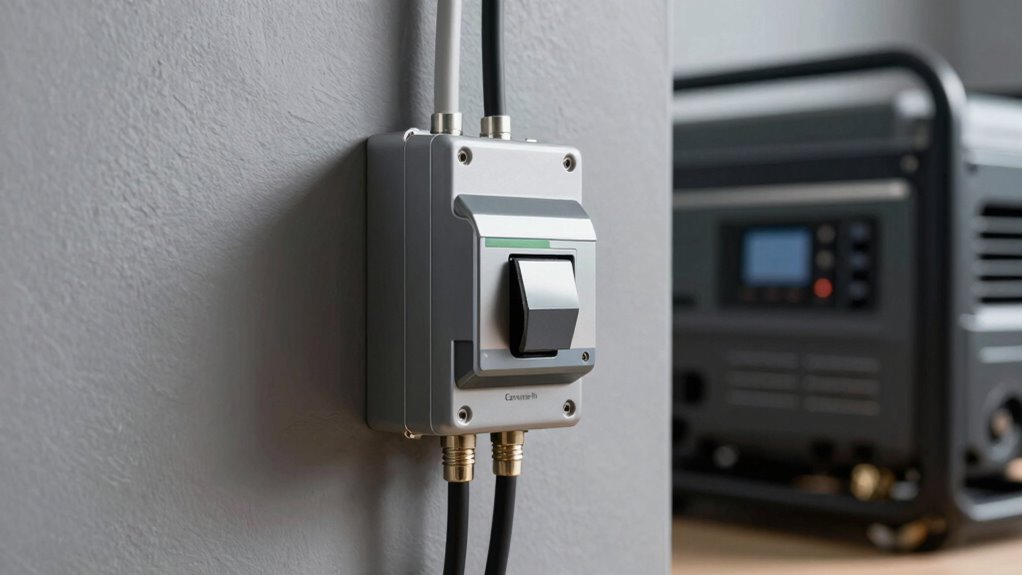

A transfer switch is essential for your safety when using a generator, as it prevents dangerous backfeeding that could harm utility workers or damage your home’s electrical system. It isolates your circuits from the grid, making switching between power sources safer and easier. Without one, you risk electrical shocks, fires, and overloads. Installing a transfer switch not only improves safety but also keeps your power backup reliable—if you want to know how it all works, keep exploring.

Prime made for students and young adults
- Fast, free delivery for dorm and study essentials
- Prime Video and Amazon Music included
- Member-only deals
Key Takeaways
- Transfer switches prevent backfeeding, protecting utility workers and home electrical systems during generator use.
- They simplify switching between utility and generator power, reducing the risk of electrical overloads.
- Transfer switches isolate home circuits, preventing dangerous electrical shocks and fires.
- They ensure safe operation of essential appliances without manual unplugging or risky extensions.
- Properly installed transfer switches enhance emergency preparedness by enabling quick, safe power restoration.
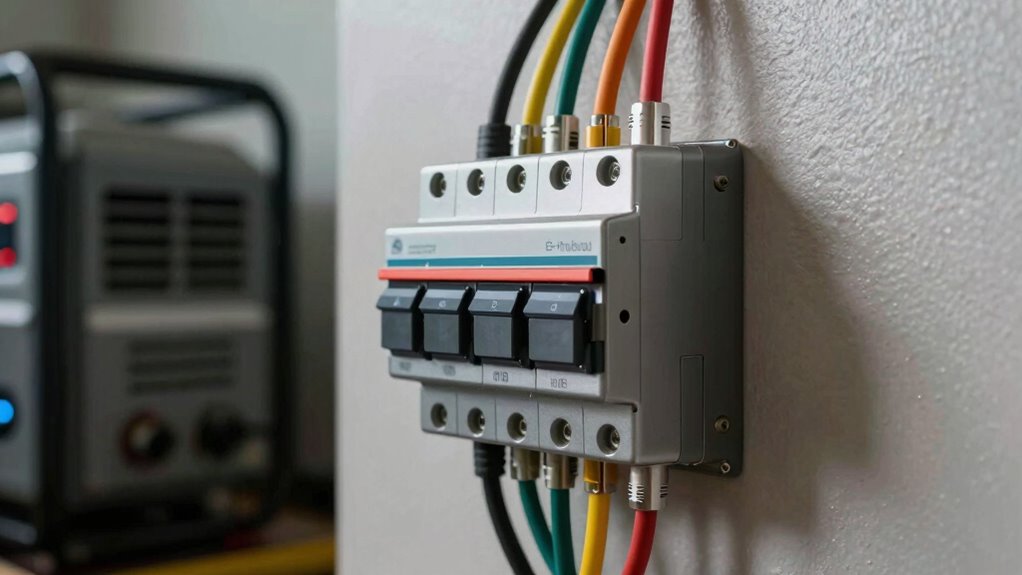
During a power outage, safely using a generator is crucial to protect your home and family. One of the most important tools to guarantee this safety is a transfer switch. This device is essential for emergency preparedness because it helps you connect your generator to your home’s electrical system in a controlled and safe manner. Without a transfer switch, you risk dangerous backfeeding, which can cause serious injury or damage to utility workers and your electrical system. Proper use of a transfer switch prevents these hazards and makes your backup power system more reliable.
A transfer switch ensures safe, controlled generator connection during outages, preventing dangerous backfeeding and electrical hazards.
Electrical safety is the top priority when operating a generator, especially during an emergency. When you rely on a portable generator, plugging appliances directly into it can be risky, as it may send power back into the grid if not properly managed. This backfeeding can shock utility workers repairing power lines or cause electrical fires within your home. A transfer switch eliminates this danger by isolating your home’s circuits from the main power supply when the generator is in use. By doing so, it guarantees electricity flows only to the circuits you select, keeping everyone safe.
In addition to safety, transfer switches simplify the process of powering your home during outages. Instead of manually plugging and unplugging extension cords, a transfer switch allows you to switch seamlessly between utility power and generator power. You can operate essential appliances like refrigerators, lights, and heating systems without risking electrical overloads or creating dangerous situations. This convenience also means you don’t have to be an expert in electrical wiring to set up your backup power system properly.
Investing in a transfer switch enhances overall emergency preparedness because it offers peace of mind during unpredictable weather or other emergencies. It guarantees you’re ready to respond quickly and safely when the power goes out. Using a transfer switch also helps prevent unsafe backfeeding, which can occur if the generator’s power is not properly managed. Additionally, a transfer switch can improve your system safety by preventing accidental energization of utility lines during maintenance. Proper installation and understanding of electrical safety tips can further reduce risks during generator operation. By preventing unsafe connections and making generator operation straightforward, a transfer switch reduces the risk of electrical accidents. It also prolongs your generator’s lifespan by preventing overloads and improper usage.
As an affiliate, we earn on qualifying purchases.
Frequently Asked Questions
Can I Install a Transfer Switch Myself Without Professional Help?
You can attempt a DIY installation of a transfer switch, but it’s not recommended unless you’re confident in your electrical skills. Always follow safety precautions, like turning off the main power and wearing protective gear. Electrical work can be dangerous, so if you’re unsure or inexperienced, it’s best to hire a professional. Proper installation guarantees safety and prevents damage to your electrical system and generator.
How Often Should I Test My Transfer Switch for Proper Operation?
You should test your transfer switch at least once a month to guarantee it’s functioning perfectly—think of it like giving your safety net a monthly check-up! Follow proper maintenance schedule and testing procedures, like switching your generator on and off, to spot any issues early. Regular testing keeps your system reliable, so you’re never left in the dark during an emergency. Don’t skip this vital step!
Are Transfer Switches Compatible With All Types of Generators?
Transfer switches are not compatible with all types of generators due to electrical compatibility issues. You need to check your generator’s power output and voltage specifications to make sure the transfer switch matches. Using an incompatible transfer switch can compromise generator safety, risking electrical hazards or damage. Always verify compatibility before installation, and consult a professional if you’re unsure. Proper matching guarantees safe, reliable operation during power outages.
What Are the Signs That a Transfer Switch Needs Repair or Replacement?
You’ll know your transfer switch needs repair or replacement if it doesn’t activate during a power outage, makes unusual noises, or shows signs of corrosion or damage. Regular transfer switch maintenance and safety inspections help catch issues early. If you notice flickering or inconsistent power transfer, it’s time to call a professional. Addressing these signs promptly guarantees your generator system remains safe and reliable during emergencies.
Can a Transfer Switch Prevent Power Surges During Outages?
A transfer switch can help prevent power surges during outages by incorporating automatic safety features and surge protection. When a power outage occurs, it automatically switches your power source, reducing the risk of sudden surges damaging your appliances. Many modern transfer switches include built-in surge protection, ensuring your generator’s power output stays stable and your devices remain safe. This automatic safety feature makes your backup power system more reliable and secure.
Conclusion
Think of a transfer switch as the guardian angel of your generator, gracefully guiding power away from chaos and into safety’s tranquil harbor. Without it, your home’s electrical system is like a ship caught in a storm—vulnerable and uncontrolled. By installing a transfer switch, you’re planting a sturdy anchor, ensuring your power flows smoothly and safely, shielding your home from electrical chaos. It’s your shield against the storm, your safeguard in the dark.
Fall Picks
fall essentials
As an affiliate, we earn on qualifying purchases.