
TL;DR

Prime made for students and young adults
- Fast, free delivery for dorm and study essentials
- Prime Video and Amazon Music included
- Member-only deals
Peru experienced a series of earthquakes over the past 48 hours, resulting in injuries and property damage. Authorities are responding while aftershocks persist, and the full extent of impact is still being evaluated. For more on earthquake preparedness, see how earthquake warning systems work.
Peru has been struck by a series of earthquakes over the past 48 hours, resulting in injuries, building collapses, and evacuations, according to local authorities and seismic agencies. The earthquakes, with magnitudes ranging from 5.8 to 6.4, have prompted emergency response efforts as aftershocks continue to be felt across affected regions.
The strongest quake, measuring 6.4 magnitude, was recorded early this morning near the northern coast of Peru. Official reports indicate at least 15 injuries and multiple buildings damaged, including homes and infrastructure in the Piura and Tumbes regions. The Peruvian National Civil Defense has activated emergency protocols, and local hospitals are treating patients with minor to moderate injuries.
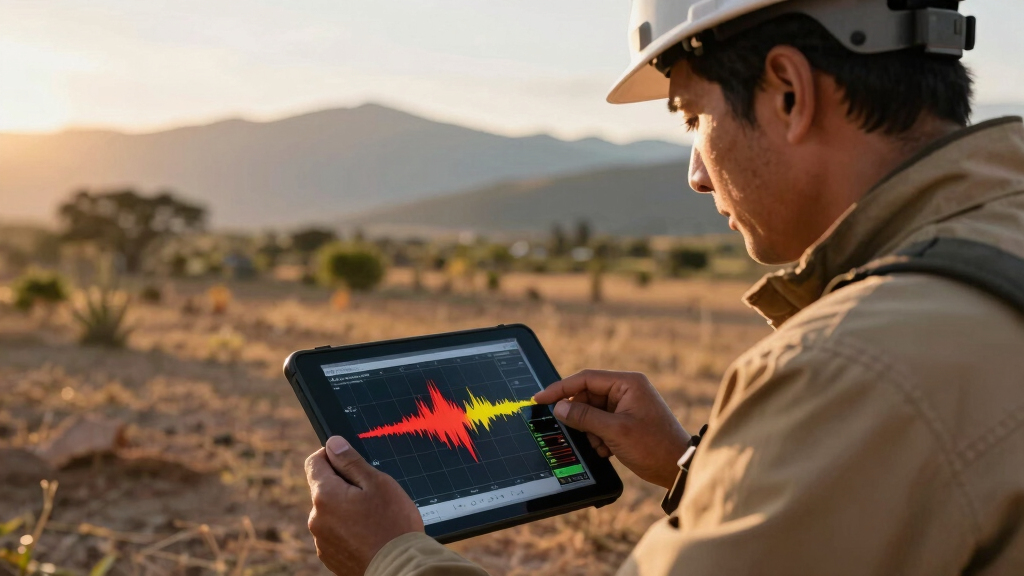
Seismologists from the Geophysical Institute of Peru confirmed that the earthquakes are aftershocks related to a larger seismic event that occurred earlier this week. The US Geological Survey also issued alerts, noting the increased likelihood of further tremors in the coming days, which highlights the importance of earthquake warning systems. No fatalities have been reported so far, but authorities warn that the situation remains fluid as aftershocks continue to jolt the region.
Why the Peru Earthquakes Matter for Regional Safety
The recent earthquakes highlight ongoing seismic risks in Peru, a country situated along the Pacific Ring of Fire. The events underscore the importance of disaster preparedness, especially in vulnerable areas prone to earthquakes. The injuries and damage caused, though not catastrophic, serve as a reminder of the need for resilient infrastructure and effective emergency response systems in seismic zones.
Furthermore, the situation has implications for local economies, as damaged infrastructure hampers transportation and commerce. International aid agencies have offered assistance, and the Peruvian government is mobilizing resources to support affected communities. The ongoing aftershocks raise concerns about further impacts and the potential for more severe events.
As an affiliate, we earn on qualifying purchases.
Recent Seismic Activity and Historical Earthquake Risks in Peru
Peru is one of the most seismically active countries in South America, with a long history of damaging earthquakes. Notable past events include the 2007 Pisco earthquake, which caused over 500 deaths and widespread destruction. The country’s geography along the Pacific Ring of Fire makes it particularly vulnerable to tectonic activity.
Earlier this week, a preliminary quake measuring 6.0 struck near Lima, prompting evacuations and minor damages. The recent series of tremors indicates a continuing seismic sequence, with experts warning that aftershocks could persist for days or weeks. Authorities have reiterated the importance of preparedness and adherence to safety protocols.
“We are actively monitoring the situation and coordinating emergency responses to assist those affected. We urge residents to stay alert and follow safety instructions.”
— Peruvian Civil Defense Director
Extent of Damage and Future Seismic Activity Still Unclear
It is not yet clear how extensive the damage is across all affected regions, as assessments are ongoing. The full impact on infrastructure, agriculture, and communities remains to be determined. Additionally, the likelihood and potential severity of future aftershocks are still uncertain, with experts warning of continued seismic activity in the coming days.
Emergency Response and Monitoring in the Coming Days
Authorities are expected to conduct detailed damage assessments and provide updates on the situation. Seismologists will continue to monitor aftershocks, and government agencies will coordinate relief efforts. Residents in vulnerable areas are advised to remain vigilant and follow official safety guidance. International aid and support may also increase as the situation develops.
Key Questions
Are there any reports of fatalities from the earthquakes?
As of now, no fatalities have been reported, but injuries and property damage have been confirmed. Authorities continue to assess the situation.
What areas are most affected by the earthquakes?
The most affected regions include Piura and Tumbes in northern Peru, where damage and injuries have been reported. Other areas are experiencing aftershocks and some structural impacts.
Should residents in Peru prepare for more earthquakes?
Yes, experts warn that aftershocks may continue for days or weeks. Residents should follow safety protocols and stay informed through official channels.
The Peruvian Civil Defense has activated emergency protocols, and hospitals are providing medical care. International aid agencies have offered support, and relief efforts are ongoing.
Source: google-trends
Halloween Picks
halloween
As an affiliate, we earn on qualifying purchases.