

Emergency power planning has become part of household shopping because power outages are happening more often, disrupting daily life. People now prioritize backup options like generators and battery systems to keep essentials running safely. Regular maintenance, reliable capacity, and quick access to fuel or batteries are key factors. This shift shows how being prepared is essential for safety and comfort. Keep exploring to discover how you can better prepare your home for unexpected outages.

Prime made for students and young adults
- Fast, free delivery for dorm and study essentials
- Prime Video and Amazon Music included
- Member-only deals
Key Takeaways
- Increasing frequency of power outages has made backup power an essential household consideration.
- Advances in battery technology and renewable energy sources promote integrated emergency power solutions.
- Consumers now prioritize reliable, easy-to-maintain backup systems during household shopping.
- Awareness of the importance of preparedness drives demand for quality generators and battery storage.
- Household shopping lists have expanded to include emergency power equipment for safety and resilience.
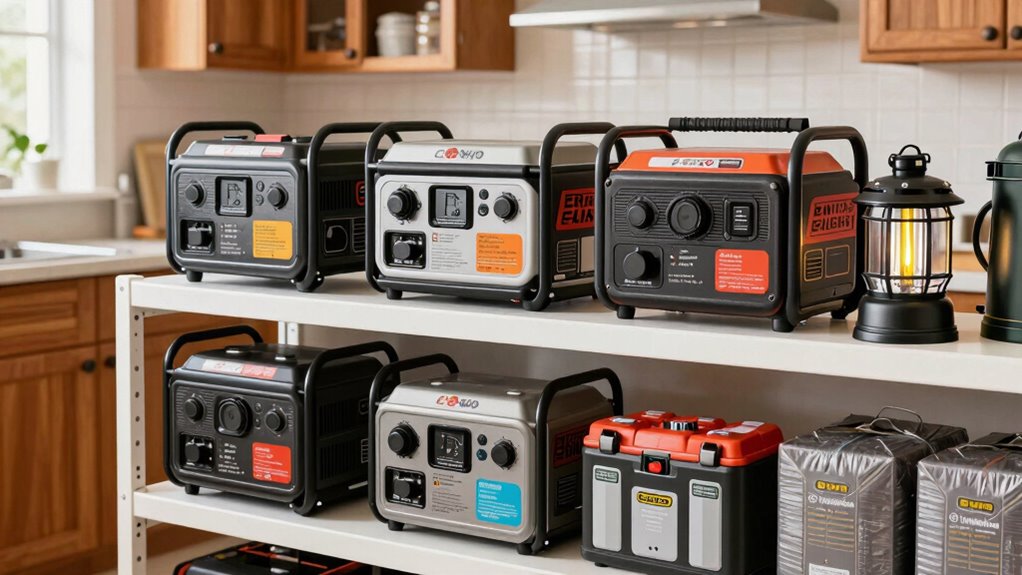
Have you ever considered how a power outage could disrupt your household essentials? It’s a scenario that’s becoming more common, prompting many to include emergency power planning as a key part of their shopping lists. You might not have thought about it before, but guaranteeing you have reliable backup options can make all the difference when the lights go out. One essential element is generator maintenance. If you decide to invest in a generator, it’s vital to keep it in top shape. Regularly checking fuel levels, testing it periodically, and scheduling professional maintenance ensures it will start when you need it most. A poorly maintained generator can fail just when you need backup power the most, leaving you vulnerable during an outage.
Alongside generator maintenance, battery storage has gained popularity as a practical solution. Modern battery systems can store excess energy, especially if you have solar panels. When the grid goes down, these batteries can supply power to critical household devices, like refrigerators, medical equipment, and communication devices. Incorporating battery storage into your emergency plan means you don’t have to rely solely on fuel-powered generators, which can be noisy and require refueling. Instead, you can switch seamlessly to stored energy, providing peace of mind during extended outages.
As you shop for emergency power solutions, consider the capacity of your generator and battery system. Think about what essentials you need to keep running—lighting, heating, refrigeration, or medical devices—and choose equipment that can handle those loads. It’s also wise to invest in quality batteries with reliable storage capacity, so you’re not left powerless during critical moments. When shopping, look for products with proven durability and good warranties, guaranteeing your investment lasts through multiple emergencies.
Planning ahead means you won’t be caught off guard. Incorporate regular maintenance routines for your generator and stay updated on the latest battery storage options. Keep spare fuel and batteries on hand, and make sure your household knows how to operate the backup systems safely. Adding emergency power to your household shopping list isn’t just about having a device; it’s about being prepared to keep your family safe and comfortable when unpredictable outages occur. By combining proper generator maintenance with smart battery storage solutions, you’re taking proactive steps to guarantee your household remains resilient—no matter what power disruptions come your way.
As an affiliate, we earn on qualifying purchases.
Frequently Asked Questions
How Often Should Households Review Their Emergency Power Plans?
You should review your emergency power plan at least twice a year to guarantee home safety and power reliability. Regular checks help you identify outdated equipment or changes in your household that might affect your preparedness. During these reviews, test backup systems and update contact information. Staying proactive ensures your plan remains effective, giving you peace of mind and maintaining power reliability when unexpected outages happen.
What Are the Most Cost-Effective Emergency Power Options?
The most cost-effective emergency power options are battery backups and solar panels. Battery backups are affordable and easy to install, providing immediate power during outages. Solar panels, though an upfront investment, save money long-term by harnessing free sunlight and reducing energy bills. Combining both guarantees you have reliable power without high expenses, making them smart choices for household emergency preparedness.
How Does Weather Influence Household Emergency Power Choices?
Weather heavily influences your household emergency power choices, especially during storm preparedness. If you’re in a region prone to storms, you’ll prioritize reliable, portable options like generators or solar chargers that enhance climate resilience. Severe weather can cut power unexpectedly, so choosing versatile, durable solutions guarantees your household stays powered and safe. Considering local weather patterns helps you select the most effective emergency power options, making your home more resilient during adverse weather events.
Are There Specific Safety Tips for Using Backup Generators?
Think of your generator as a trusted but powerful friend—you must treat it with respect. For generator safety, always keep it outdoors in a dry, ventilated area and never inside your home. Follow backup power tips like using heavy-duty extension cords and avoiding overloads. Regularly inspect and maintain your generator, and never refuel it while running. These precautions keep you safe and guarantee your emergency power runs smoothly.
How Do Emergency Power Needs Differ for Urban Versus Rural Homes?
Your emergency power needs differ based on your home’s location. In urban areas, resilience often focuses on compact, efficient solutions like portable generators or battery systems due to space constraints. Rural homes, on the other hand, typically prioritize rural energy sources like larger generators or solar setups to sustain extended outages. Recognizing these differences helps you choose the right backup power options, ensuring safety and continuity during emergencies.
Conclusion
As you prepare your household shopping list, it’s no coincidence that emergency power planning has become a natural part of your routine. Just like discovering a forgotten flashlight during a blackout, these habits subtly intertwine with your daily life, ensuring you’re ready for unexpected moments. By embracing this proactive approach, you not only safeguard your loved ones but also realize that sometimes, the smallest precautions can unexpectedly make all the difference when it matters most.
Fall Picks
fall essentials
As an affiliate, we earn on qualifying purchases.