🔍 Read the full analysis: Korean Court Precedents And AI: What 360 Judges Reported on ThorstenMeyerAI.com

Prime made for students and young adults
- Fast, free delivery for dorm and study essentials
- Prime Video and Amazon Music included
- Member-only deals
TL;DR
South Korea’s National Court Administration published a survey on Nov. 2, 2026, in which 360 judges reported encountering false or distorted legal citations. The widely cited figure of about 80% applies to responding judges handling civil, family and administrative cases; a reported 243 of all 360 respondents, or 67.5%, had seen false citations. Judges called for measures including fines, citation checks and disclosure of AI use.
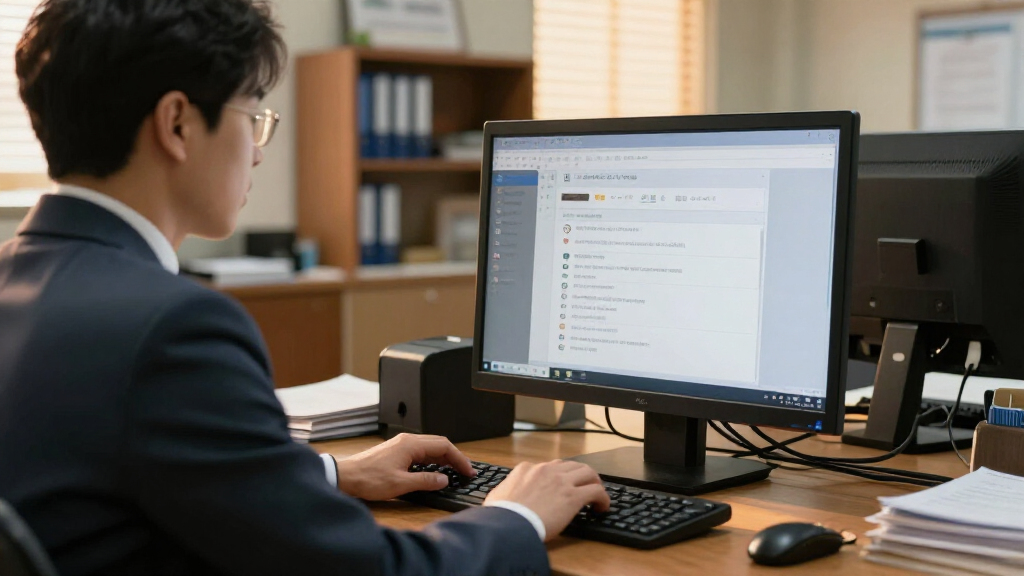
South Korea’s National Court Administration said a survey of 360 judges found that many had encountered nonexistent or misrepresented legal precedents in court filings, including material associated with AI use. The results, published Nov. 2, 2026, also show strong support among respondents for institutional measures, as courts confront the burden of checking citations that may not be genuine.
The survey was conducted from Oct. 6 to 16 among judges at courts of all levels. The administration said about 80% of responding judges handling civil, family and administrative cases had encountered filings citing false or nonexistent precedents. That figure does not describe all 360 respondents: South Korean daily Kyunghyang Shinmun reported that 243 of the 360 judges, or 67.5%, had seen false citations overall.
Among judges who reported encountering false citations, 196 (80.7%) identified precedents that did not exist, while 159 (65.4%) cited real precedents paired with false content. The survey also recorded reports of false or nonexistent statutes and academic materials. These categories allowed multiple answers, so they are not mutually exclusive.
Asked who had submitted the material, 164 judges (69.5%) selected the parties themselves and 136 (57.6%) selected lawyers acting as representatives or defense counsel. The court administration’s release said false citations appeared in documents submitted by both groups. The survey describes judges’ reported experiences; it does not establish the prevalence of false citations across all court filings.
Pressure to Check Every Citation
False citations can consume court time and make it harder for opposing parties to respond to arguments based on nonexistent or distorted authority. The National Court Administration said such citations place an unnecessary verification burden on the opposing side and may hinder the speedy progress of trials.
The findings also place responsibility beyond people representing themselves. Judges reported seeing questionable material in filings by licensed lawyers as well as parties. That makes citation verification and accountability a concern for the legal profession and court administration, not only a matter of users checking chatbot output.
91.7% of respondents favored an institutional response, according to the source material. The most popular measures listed were a legal basis for fines, a duty to verify citations and a duty to disclose AI use. Those are survey preferences, not rules already in force.
Products Worth Considering

Apple Watch Series 8 GPS, 41mm, Midnight Aluminum Case with Midnight Sport Band (S/M)
Apple Watch SE (2nd Gen) GPS 40mm with Starlight Aluminum Case and Sport Band (S/M)

DJI Mic 3 Wireless Microphone Kit (2 Transmitters, 1 Receiver, Charging Case)
As an affiliate, we earn on qualifying purchases.
How the Survey Defines the Problem
The National Court Administration, the administrative arm of South Korea’s Supreme Court, described the survey as its first on false precedent citations and similar material. Its Judicial Support Office issued a four-page release titled “Results of the survey on citations of AI-generated false precedents and similar material.” The English wording here follows the supplied translation of that Korean-language release.
The administration’s examples included fabricated judgments formatted like Supreme Court decisions, case numbers attached to reasoning that could not be found in searches, and real rulings quoted in ways that changed their meaning. It also described filings that retained text resembling an AI conversation or litigation-strategy notes. These examples show the range of material judges said they encountered, but the release does not quantify how often each type appeared.
One reported English-language account misstated the survey’s response about who submitted false material. The Korean release says judges selected the parties themselves; it does not say the judges admitted citing false precedents themselves. The distinction matters when reporting a survey about errors in legal documents.
What the Survey Cannot Establish
The release does not state how many judges were invited, provide the wording of the survey questions or establish that respondents represent all South Korean judges. It measures what judges said they had encountered, not the share or total number of court filings containing false material. The overall 67.5% figure is reported by Kyunghyang Shinmun; it is not printed in the administration’s release, though it corresponds to 243 of the 360 respondents.
The published information also does not establish who created each false citation, whether AI was used in every example, or whether a judge’s suspicion was confirmed in each case. The results are reports of judges’ experiences, rather than a case-by-case audit. The administration’s proposed policy direction has not yet become law.
Proposed Changes to Court Procedure
The National Court Administration plans to propose amendments to South Korea’s Civil and Criminal Procedure Acts to provide a legal basis for fines, according to the source material. Judges also backed citation-verification and AI-disclosure duties, but the supplied information does not say whether those measures will be included in draft legislation or when any proposal will be submitted.
The next concrete developments to watch are publication of proposed amendments, their terms and any legislative debate. Until then, the survey documents judges’ concerns and preferred responses; it does not create new penalties or verification requirements.
Key Questions
What did South Korea’s judges report?
In a survey published Nov. 2, 2026, judges reported encountering nonexistent precedents, real precedents cited with false content and other questionable legal material in court filings.
Does the “about 80%” figure refer to all 360 judges?
No. It refers to responding judges handling civil, family and administrative cases. Kyunghyang Shinmun reported that 243 of all 360 respondents, or 67.5%, had encountered false citations.
Did the survey show that lawyers were responsible?
Judges were asked who had submitted false material. 164 (69.5%) selected the parties themselves and 136 (57.6%) selected lawyers. The survey does not identify who created each citation or establish individual responsibility.
Are fines or AI-disclosure rules already in force?
The survey records judges’ support for measures such as fines, citation checks and AI-use disclosure. The National Court Administration plans to propose procedural-law changes allowing fines, but the supplied material does not say that any new rule has been enacted.
Source: ThorstenMeyerAI.com