
📊 Full opportunity report: Your Mobile Companion For Voice Training And Gender Affirmation on IdeaNavigator AI — validation score, market gap, and execution plan.

Prime made for students and young adults
- Fast, free delivery for dorm and study essentials
- Prime Video and Amazon Music included
- Member-only deals
TL;DR
A startup is developing a mobile app that provides real-time voice pitch and resonance feedback for gender-affirming voice training. It aims to fill the gap in accessible, objective practice tools for transgender and gender-nonconforming people, as well as public speakers and singers.
A new mobile app, currently in prototype testing, aims to provide real-time visual biofeedback for voice pitch and resonance, targeting transgender individuals seeking gender-affirming voice changes and public speakers. This development addresses a significant gap in accessible, objective voice training tools, potentially transforming how users practice between sessions and share progress with clinicians.
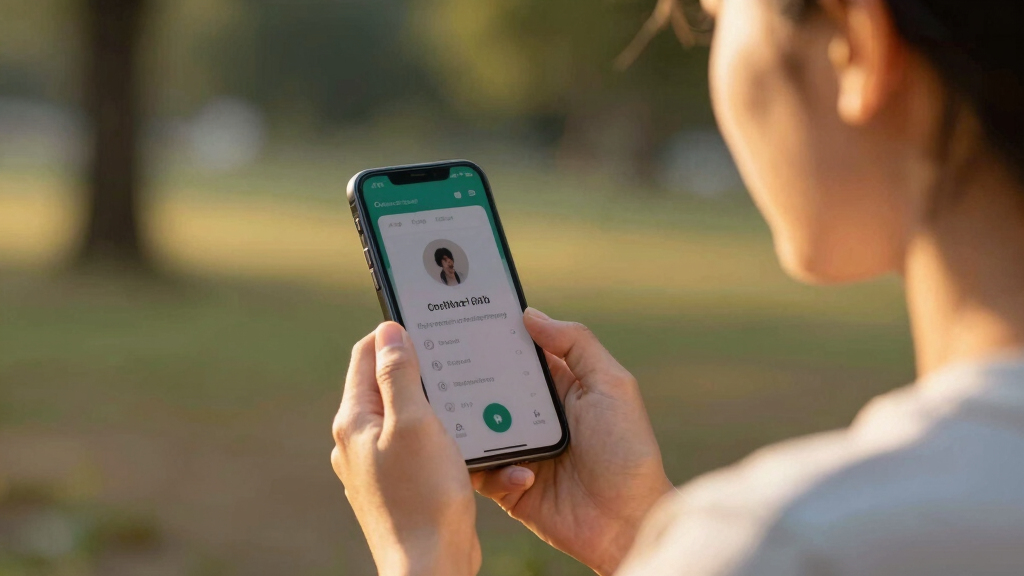
The app, called Pocket Voice Lab, records short voice samples and returns immediate feedback on fundamental pitch and resonance, comparing them against user-set targets. It also includes a basic strain indicator derived from harmonic-to-noise ratio. The initial version offers 8-12 guided exercises focused on gender-affirming voice feminization or masculinization, along with a session log to track improvements over time.
Developed using advances in smartphone microphone technology and acoustic analysis, the app leverages peer-reviewed science treating voice as a clinical biomarker. It is designed to serve users who lack easy access to speech-language pathologists (SLPs) or vocal coaches, providing an affordable, scalable alternative. The app plans to operate on a freemium model, offering limited daily exercises for free and paid subscriptions (~$8-15/month) for unlimited access, full progress history, and shareable reports for clinicians.
Market validation involves a 4-week pilot with a landing page and TestFlight prototype, targeting trans voice-training and public-speaking communities. Success metrics include at least 40% of users completing three or more guided sessions in the first week and over 25% converting to paid plans or waitlist deposits. The initiative aims to serve a large, documented gap in gender-affirming voice care and voice health apps, with potential expansion to clinics and speech therapy practices.
Potential Impact on Transgender Voice Therapy Accessibility
This app could significantly improve access to objective, consistent voice training for transgender and gender-nonconforming individuals, who often face limited in-person resources and high costs. By providing real-time feedback and longitudinal progress tracking, it may enhance motivation, practice quality, and clinical collaboration. Additionally, the technology aligns with growing scientific recognition of voice as a clinical biomarker, potentially influencing future voice therapy tools and standards.
As an affiliate, we earn on qualifying purchases.
Growing Demand for Accessible Voice Training Tools
Currently, many transgender individuals and public speakers rely on intermittent, costly in-person coaching or speech therapy sessions. The lack of objective, easy-to-use practice tools leaves users practicing blindly, with no feedback on pitch accuracy, resonance, or strain. Recent advances in smartphone microphone quality and acoustic analysis have made real-time biofeedback feasible outside lab settings. Peer-reviewed research increasingly treats voice as a biomarker, validating the scientific basis for such tools. Existing apps like Vocal Image have demonstrated consumer willingness to pay for voice feedback, highlighting a market opportunity.
“Advances in smartphone tech and acoustic science now make real-time voice biofeedback practical for everyday use.”
— an anonymous researcher
Uncertainties Around User Adoption and Effectiveness
It remains unclear how well the app will perform in real-world settings regarding user engagement, long-term adherence, and actual voice improvement. The effectiveness of biofeedback in this context is supported by peer-reviewed studies, but validation through clinical trials or user studies is still pending. Additionally, the extent to which users will share voice data securely and comfortably is uncertain, as is the app’s scalability beyond initial testing.
Upcoming Pilot Testing and Validation Phases
The development team plans to launch a 4-week pilot with targeted communities, measuring user engagement, session completion, and willingness to pay. Success metrics include at least 40% of users completing multiple sessions in the first week and a quarter converting to paid subscriptions. Results from this pilot will inform further development, including potential expansion to multi-persona training and broader clinical integration. The team also aims to explore licensing opportunities with clinics and speech therapy providers.
Key Questions
How does the app provide feedback on voice pitch and resonance?
The app records a voice sample and compares its fundamental pitch and resonance against user-set targets, displaying real-time visual feedback. It also includes a strain indicator based on harmonic-to-noise ratio.
Who is the target audience for this voice training app?
The primary users are transgender and gender-nonconforming individuals seeking to modify their voice, as well as public speakers and singers who want ongoing, objective practice tools outside of in-person coaching.
What are the plans for monetization?
The app will operate on a freemium model, offering free daily exercises with paid plans (~$8-15/month) for unlimited sessions, full progress tracking, and clinician reports. Future licensing to clinics and speech therapists is also planned.
When will the app be available for wider testing or release?
Following initial pilot testing, further development and validation are expected over the next few months, with potential public release contingent on pilot success and user feedback.
What scientific basis supports the app’s approach?
Peer-reviewed research treats voice as a clinical biomarker, with studies validating acoustic parameters like pitch, jitter, shimmer, and harmonic-to-noise ratio as indicators of voice quality and health.
Source: IdeaNavigator AI
Fall Picks
fall essentials
As an affiliate, we earn on qualifying purchases.