📊 Full opportunity report: Remote Work Wellness Strategies: Incorporating Strength Tests on IdeaNavigator AI — validation score, market gap, and execution plan.
Prime for Young Adults — start your free trial
Fast free delivery, streaming and member deals for eligible 18–24 year olds.
Try it freeAs an affiliate, we earn on qualifying purchases.
TL;DR
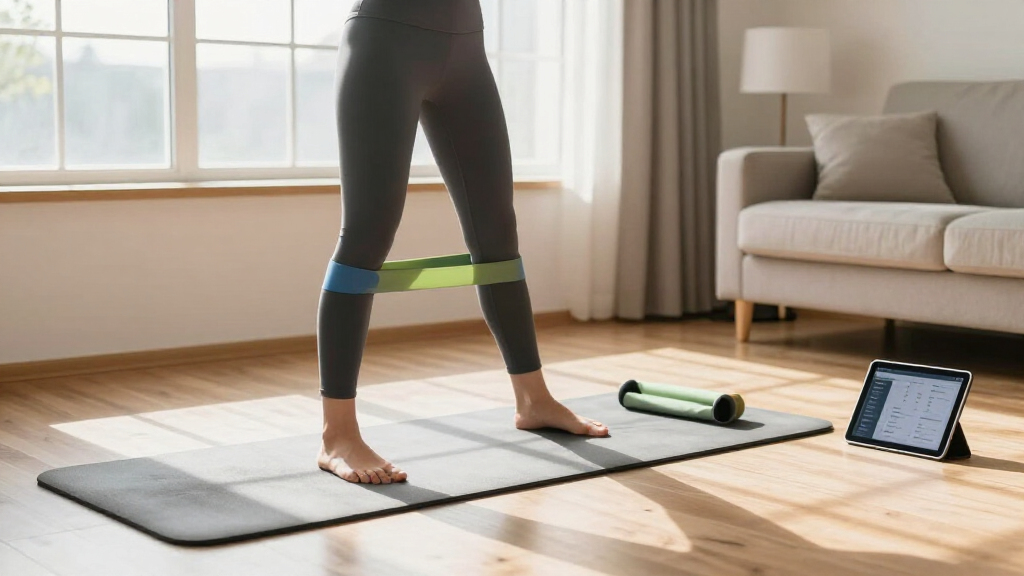
Employers and benefits providers are piloting remote strength and mobility tests using smartphone cameras to identify early musculoskeletal risks. This approach aims to prevent costly health issues and improve employee well-being in remote work settings.
Employers and benefits providers are testing a new approach to prevent musculoskeletal issues among remote workers by deploying camera-based strength and mobility assessments. This initiative aims to identify early signs of physical decline before employees develop pain or clinical conditions, addressing a rising concern linked to remote and hybrid work arrangements.
Recent developments indicate that HR, benefits, and total-rewards leaders at mid-to-large employers are exploring the use of guided self-assessments that leverage smartphone cameras and pose estimation technology. These assessments, designed to take around 10 minutes, evaluate employees’ strength, mobility, and posture through simple exercises such as sit-to-stand repetitions, shoulder and hip range-of-motion tests, and static postures like wall-sits or seated photos.
The primary goal is to generate a personalized musculoskeletal (MSK) risk score, along with tailored corrective routines and progress tracking. The assessments are intended to be privacy-safe, with aggregate dashboards for employers to monitor team-level MSK risk trends and engagement, while providing referrals to clinical MSK or physical therapy vendors for employees flagged as at risk.
These pilot programs are expected to run for 60 to 90 days, with success measured by completion rates, retention, correlation with validated self-report tools, and employer willingness to sign paid pilot agreements. The initiative responds to increasing employer concerns about rising MSK-related medical claims and workday losses driven by sedentary lifestyles caused by remote work.
Implications for Employee Health and Employer Costs
This new approach could significantly shift how companies address employee health in remote work settings. By proactively screening for MSK risks, employers can intervene early, potentially reducing costly medical claims, work absences, and long-term disability. The technology-driven, privacy-conscious model offers a scalable solution for large, distributed workforces, aligning with the growing demand for preventive health strategies in corporate wellness programs.
Furthermore, this initiative reflects a broader trend of integrating digital health tools into benefits packages, especially as remote work persists. If successful, it could establish a new standard for early MSK detection, complementing existing reactive treatment approaches and fostering a culture of preventive health among remote employees.
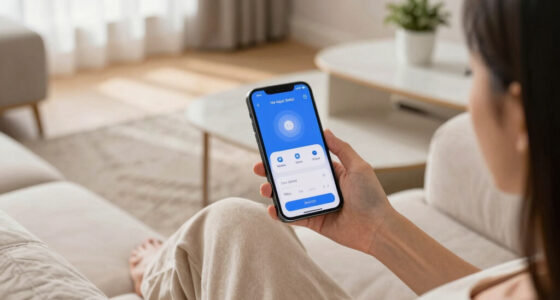
smartphone camera musculoskeletal assessment tool
As an affiliate, we earn on qualifying purchases.
As an affiliate, we earn on qualifying purchases.
Rise of Remote Work and Musculoskeletal Risks
Since the onset of widespread remote work, many employees have experienced increased sedentary behavior due to the elimination of incidental movement, such as commuting and office ergonomics. This shift has been linked to a surge in neck, back, and posture-related musculoskeletal (MSK) problems, which are now among the top drivers of employer medical costs.
Traditional MSK prevention relies on reactive treatments after pain or injury occurs, often resulting in costly clinical episodes. With remote work becoming a permanent arrangement for many, employers and benefits providers are seeking proactive solutions. Advances in smartphone camera-based motion capture and pose estimation have matured sufficiently to enable self-assessment tools that do not require sensors or clinical supervision, opening new pathways for early detection and intervention.
This movement aligns with increased investment in digital health benefits and a focus on outcomes-based wellness programs, aiming to reduce long-term costs and improve employee well-being.
Uncertainties in Validation and Adoption
It is not yet clear how accurately the camera-based assessments will correlate with clinical MSK evaluations or self-report questionnaires. The success of pilot programs depends on employee engagement, privacy compliance, and the ability to generate reliable risk scores. Additionally, the long-term impact on health outcomes and employer costs remains to be validated through ongoing studies.
Next Steps for Pilot Deployment and Validation
Employers and benefits providers plan to launch pilot programs within the next 3 to 6 months, recruiting 2-3 companies or large teams to test the assessments. Data collected will focus on completion rates, score validity, and engagement. Pending positive results, broader rollout and integration into existing wellness programs could follow, with further validation studies to establish clinical utility and cost-effectiveness.
Key Questions
How do remote strength assessments work without sensors?
They use smartphone cameras and pose estimation algorithms to analyze movement and posture during guided exercises, providing risk scores without requiring specialized equipment.
What types of exercises are included in the assessment?
Exercises include sit-to-stand repetitions, shoulder and hip range-of-motion tests, static holds like planks or wall-sits, and seated or standing posture photos.
Will employee privacy be protected?
Yes, assessments are designed to be privacy-safe, with data stored securely and aggregate dashboards used for monitoring team trends without exposing individual data.
How soon could these assessments impact employer health costs?
If pilots show positive results, early interventions could reduce costly MSK claims over the next few years, but definitive cost savings depend on widespread adoption and clinical validation.
Are these assessments suitable for all remote workers?
They are intended for employees able to perform basic exercises and use a smartphone camera, but accessibility and usability testing are ongoing to ensure broad applicability.
Source: IdeaNavigator AI
Fall Picks
fall essentials
As an affiliate, we earn on qualifying purchases.