

Your gut bacteria form a crucial part of a complex ecosystem that impacts your digestion, immune response, and mental health. When balanced, they help break down food, produce essential vitamins, and fight harmful pathogens. Disruptions from poor diet, stress, or antibiotics can reduce diversity, increasing health risks. Supporting your microbiome with fiber-rich foods, fermented products, and healthy habits boosts resilience. Keep exploring to discover more ways to nurture this important part of your health.
Key Takeaways
- The human microbiome, mainly in the gut, is a complex ecosystem essential for digestion, immunity, and mental health.
- Diverse and balanced gut bacteria help break down food, produce vitamins, and fight harmful pathogens.
- Disruptions to microbiome diversity from diet, stress, or antibiotics can cause gut issues and increase disease risk.
- Supporting microbiome health through fiber-rich foods, fermented products, and lifestyle choices promotes resilience.
- A healthy microbiome influences immune function, mood, and overall well-being, making it vital for balanced health.
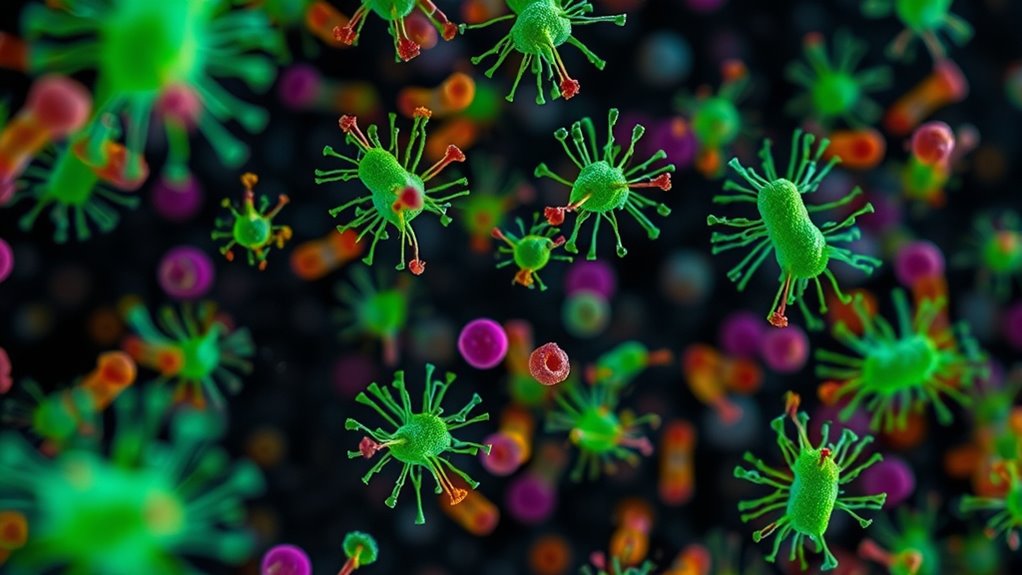
Have you ever wondered what lives inside you? It turns out, your body is home to a bustling community of trillions of microorganisms, collectively known as your microbiome. This complex ecosystem resides mainly in your gut, where it plays a crucial role in your overall health. Focusing on your gut health isn’t just about digestion; it’s about maintaining a diverse microbiome that supports everything from immune function to mental clarity. When your microbiome diversity is high, your gut can handle different foods and environmental challenges better, keeping you healthier in the long run.
Your gut microbiome is like a finely tuned orchestra, with countless bacterial species working together to perform vital functions. Each species has a specific role, whether it’s breaking down fibrous foods, synthesizing vitamins, or regulating immune responses. When this diversity is balanced, it creates a resilient environment that can adapt to changes and fend off harmful pathogens. But if your microbiome becomes too narrow or imbalanced—perhaps due to poor diet, stress, antibiotics, or lack of sleep—you risk disrupting this harmony. Such disruptions can lead to gut issues like bloating, constipation, or even more serious conditions like inflammatory bowel disease.
A balanced microbiome fosters resilience, while imbalance from poor habits can lead to digestive issues and disease.
Building and maintaining microbiome diversity is within your control. Consuming a variety of fiber-rich foods like fruits, vegetables, and whole grains feeds the beneficial bacteria, encouraging their growth. Fermented foods such as yogurt, kefir, and sauerkraut introduce live cultures that can boost your microbiome’s richness. Avoiding excessive antibiotic use, unless necessary, helps preserve this delicate balance. Regular physical activity and managing stress also support gut health by fostering an environment where diverse bacteria can thrive.
It’s also important to understand that a diverse microbiome isn’t just about quantity; it’s about quality. The more different bacterial species you host, the more resilient your gut becomes against disturbances. This diversity influences your immune system, helping it distinguish between harmful invaders and harmless particles. It even impacts your mood and mental health through the gut-brain axis, highlighting how interconnected your microbiome truly is with your overall well-being. Supporting microbiome diversity can also be enhanced by Diverse bacterial species, which are essential for a healthy and resilient gut environment.
In essence, nurturing your gut health and promoting microbiome diversity isn’t complicated, but it requires consistent effort. By making mindful choices—eating a varied diet, avoiding unnecessary antibiotics, staying active, and managing stress—you support a vibrant microbial community inside you. This community doesn’t just help digest your food; it influences your immunity, mood, and overall vitality. Recognizing the importance of your gut bacteria is the first step toward a healthier, more balanced life, where your internal ecosystem works in harmony to keep you thriving.

Activia Probiotic Dailies Strawberry Low Fat Yogurt Drinks, Delicious Daily Probiotic Yogurt Drinks to Help Support Gut Health, 3.1 fl oz, 8 count
Deliciously Good, Backed by Science: Pack of eight 3.1 fl oz bottles of Activia Probiotic Dailies Strawberry Low…
As an affiliate, we earn on qualifying purchases.
As an affiliate, we earn on qualifying purchases.
Frequently Asked Questions
Can Gut Bacteria Influence Mental Health?
You might not realize it, but your gut bacteria can influence your mental health through the gut-brain axis. This communication pathway links your gut and brain, affecting mood, stress, and overall mental well-being. When your gut bacteria are balanced, they support better mental health. Conversely, an imbalance can contribute to anxiety and depression. So, taking care of your gut bacteria is a key part of maintaining your mental health link.
How Do Antibiotics Affect My Microbiome?
Did you know that antibiotics can wipe out up to 30% of your gut bacteria? When you take antibiotics, they don’t just target harmful bacteria—they also kill beneficial ones, leading to a disrupted microbiome. This disturbance can cause antibiotic resistance and slow microbiome recovery. To protect your gut health, it’s important to limit antibiotic use when possible and support recovery with probiotics and a healthy diet.
Can Probiotics Permanently Change My Gut Bacteria?
You wonder if probiotics can permanently change your gut bacteria. While they can introduce beneficial strains and boost diversity temporarily, long-term colonization stability varies by individual. Some strains may establish more permanently, but most require ongoing intake to maintain their presence. Factors like your existing microbiome, diet, and health influence how well probiotics can create lasting changes, so consistency is key for sustained benefits.
What Foods Promote a Healthy Microbiome?
To promote a healthy microbiome, include fermented foods like yogurt, kefir, sauerkraut, and kimchi in your diet. These foods supply beneficial bacteria that support gut health. Also, consume plenty of dietary fiber from fruits, vegetables, whole grains, and legumes. Fiber acts as fuel for good bacteria, helping them thrive. Combining fermented foods and fiber-rich options creates an environment that nurtures your gut bacteria, boosting overall well-being.
Is It Possible to Have Too Many Beneficial Bacteria?
They say, “Too much of a good thing can be bad,” and that applies to beneficial bacteria too. While microbial diversity and bacterial balance are essential for health, having too many beneficial bacteria can disrupt this harmony. Your gut thrives on balance, so it’s best to support a diverse microbiome without overdoing it. Keep a natural, varied diet to maintain that delicate bacterial equilibrium.
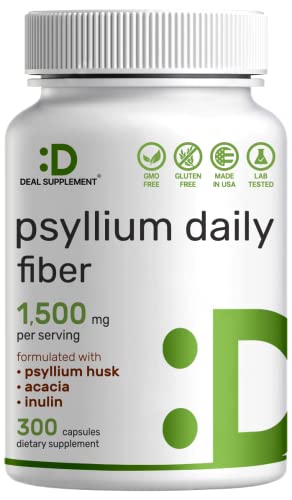
Psyllium Husk 1500mg Per Serving, 300 Capsules – 3 in 1 Fiber Supplement with Inulin & Acacia Complex – Natural Soluble Fiber, Supports Digestive Health* – Plant Based, Non-GMO
Special Features – 300 psyllium husk fiber capsules with an inulin and acacia complex, authentic Indian psyllium source,…
As an affiliate, we earn on qualifying purchases.
As an affiliate, we earn on qualifying purchases.
Conclusion
Understanding your gut bacteria isn’t just about digestion; it influences your overall health and even mental well-being. Some scientists believe the microbiome could hold the key to personalized medicine, tailoring treatments based on your unique bacteria. While research is ongoing, it’s clear that nurturing a healthy microbiome might prevent disease and boost wellness. So, pay attention to your gut—it’s more powerful than you might think, shaping your body in ways we’re just beginning to understand.

Cleveland Kitchen Classic Kraut, Lightly Fermented Vegetables, Fresh & Crunchy Sauerkraut, Live & Natural Probiotics, 16 oz
The Classic Caraway is your Grandma’s kraut with an edge. Packed with traditional Bavarian flavor, fresh crunch and…
As an affiliate, we earn on qualifying purchases.
As an affiliate, we earn on qualifying purchases.

Physician's CHOICE Digestive Enzymes for Bloating & Digestion – 16 Enzymes with Organic Prebiotics & Probiotics for Gut & Digestive Health – Meal Time Discomfort Relief – Dual Action Support – 60 CT
Beat the Bloat & Say Goodbye to Meal Time Discomfort: 16 beneficial enzymes that digest proteins, carbs, fruits,…
As an affiliate, we earn on qualifying purchases.
As an affiliate, we earn on qualifying purchases.