Severe Thunderstorm Warning Ends In Toronto After Destructive Storm – CP24
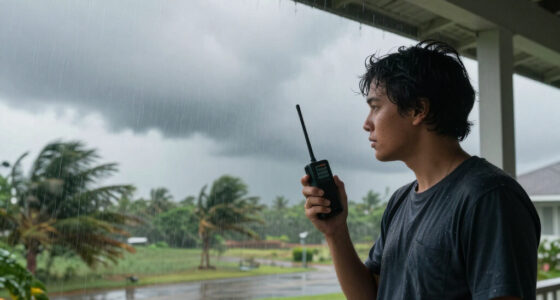
Toronto’s severe thunderstorm warning has been lifted following a destructive storm, with no reports of serious injuries or widespread damage confirmed.
Tropical Storm Edouard has developed near the Gulf Coast, prompting weather alerts and preparations. The storm’s trajectory and impact remain uncertain.
The Critical Need To Protect AI From Multi-Domain Cyber Threats
Analysis of the urgent need to defend AI systems against complex, multi-domain cyber attacks that threaten infrastructure, decision-making, and alliance cohesion.
How Home Signal Monitoring Is Boosting Genf’s Immobilien Market
Genf’s real estate sector benefits from new home signal monitoring, enabling faster decision-making on developments like Solvalor 61’s property acquisition.
Recent data shows a significant increase in media mentions of El Nino, with over 60 reports in a recent window, indicating heightened global attention.