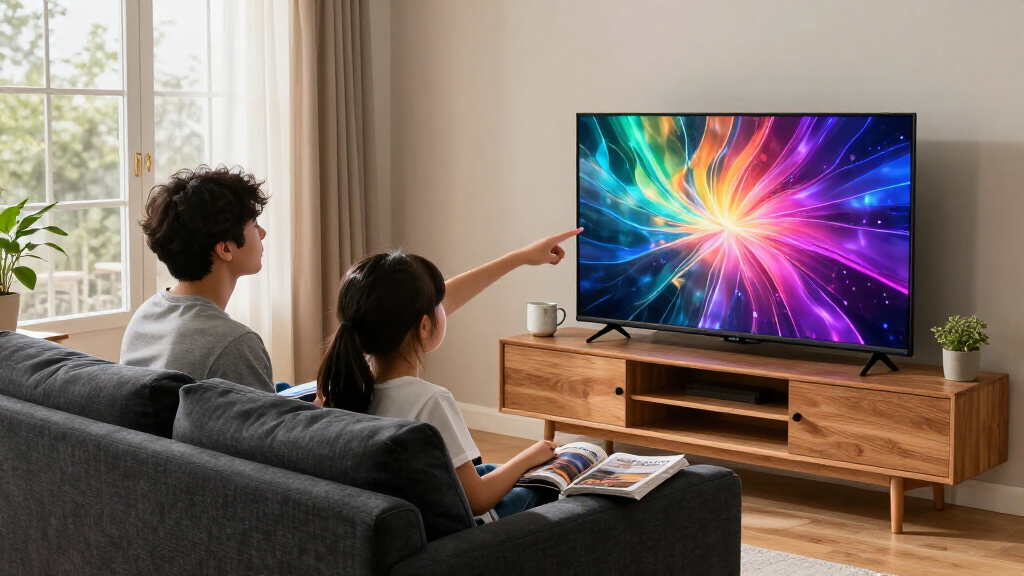

The best OLED TVs pair inky blacks and rich contrast with the size, gaming support, and smart features that fit your room. My best overall pick is the LG 65-inch OLED evo C6, a strong all-around choice; the Sony 77-inch BRAVIA XR8B stands out for a large-screen setup, while the Samsung 65-inch S90H is another compelling option for buyers weighing picture performance and gaming features. The main tradeoffs are screen size versus budget, bright-room performance versus dark-room contrast, and each brand’s platform and format support. A larger panel can be more immersive, but it may not suit your viewing distance or space. Read on for the full breakdown and guidance on choosing among these 15 OLED TVs.

Prime made for students and young adults
- Fast, free delivery for dorm and study essentials
- Prime Video and Amazon Music included
- Member-only deals
Key Takeaways
- The LG 65-inch OLED evo C6 is the most balanced starting point: it combines a mainstream screen size with LG’s C-series feature set, while the B6 is a simpler alternative and the 77-inch C6 suits a larger room.
- Screen size changes the decision as much as the model line: the S90H appears in 55-, 65-, and 77-inch versions, while the Roku Pro Series comes in 55 and 65 inches, giving buyers a choice within each family.
- Premium and value picks serve different rooms: the Sony 77-inch BRAVIA XR8B emphasizes a large-screen experience, while Samsung’s 2025 S85F and S84F 77-inch models offer other routes to a big OLED screen.
- Brand choice affects more than picture quality: Google TV on Sony models, Samsung’s smart TV platform, LG’s webOS, and Roku’s interface each shape navigation, voice features, and how the TV fits into an existing setup.
- Model year and series name matter: this list includes 2025 and 2026 sets, and a C5 versus C6 or S85F versus S90H comparison is not the same as comparing screen sizes alone; verify the exact model’s features before choosing.


| OLED TV | Resolution | Screen size | Refresh rate | Display technology |
|---|---|---|---|---|
| Sony 77 Inch BRAVIA XR8B OLED | 4K | 77 inches | 120 Hz | OLED |
| Samsung 65-Inch Class S90H Ser | 4K | 65 inches | 165 Hz | OLED |
| LG 48-Inch Class OLED evo AI 4 | 4K | 48 inches | 165 Hz | OLED evo |
| LG 65-Inch OLED B6 Series 4K S | 4K | 65 inches | 120 Hz | OLED |
| Samsung 55-Inch Class S90H Ser | 4K | 55 inches | 120 Hz | OLED |
| Sony 48 Inch BRAVIA 6 OLED 4K | 4K | — | 120Hz | — |
| Samsung 77-Inch Class S90H Ser | 4K | 77 inches | — | — |
| Roku 55-Inch Pro Series Smart | 4K | 55 inches | 120Hz | — |
| Roku 65-Inch Pro Series Smart | 4K | 65 inches | 120Hz | — |
| LG 77-Inch OLED evo C6 4K Smar | 4K | 77 inches | — | — |
| LG 65-Inch Class OLED evo AI 4 | 4K | 65 inches | 120Hz native; up to 165Hz VRR | OLED evo |
| LG 65-Inch OLED evo AI 4K C5 S | 4K | 65 inches | — | — |
| Sony 65 Inch BRAVIA 6 OLED 4K | 4K | — | 120Hz | OLED |
| Samsung 77-Inch S85F OLED 4K S | 4K | 77 inches | 120Hz | OLED |
| Samsung 77-Inch Class OLED S84 | 4K | — | 120Hz | OLED |
More Details on Our Top Picks
Sony 77 Inch BRAVIA XR8B OLED 4K HDR Smart Google TV
The 77-inch Sony BRAVIA XR8B is the pick here for buyers who want a large OLED canvas for films and shared viewing. Its pixel-level dimming gives dark scenes the contrast OLED is known for, while Dolby Vision support suits compatible movies and shows. Compared with the 65-inch LG B6, the XR8B gives you a substantially larger picture, but the B6 lists four HDMI 2.1 ports and more explicit gaming specifications. Sony’s Google TV, voice control, and Dolby Atmos and IMAX Enhanced sound features make this a well-rounded entertainment hub. The tradeoff is practical: its size needs a wide room or suitable wall, and the supplied details do not spell out gaming capabilities as fully as the LG and Samsung options.
Pros:- 77-inch OLED screen with pixel-level dimming for high-contrast viewing
- Dolby Vision support for compatible HDR movies and shows
- Google TV, streaming apps, and Google Assistant voice control
- Dolby Atmos and IMAX Enhanced sound features
Cons:- Large dimensions can be difficult to accommodate in smaller rooms
- Gaming specifications are less detailed than those listed for the LG C6 and Samsung S90H
- One USB port offers less device flexibility than the LG B6’s two
Best for: Movie-focused households with a large viewing room that want a 77-inch OLED and Google TV streaming.
Not ideal for: Buyers with limited wall space or gamers who want clearly specified high-refresh-rate and variable-refresh-rate features.
- Screen size:77 inches
- Display technology:OLED
- Resolution:4K
- Refresh rate:120 Hz
- HDR format:Dolby Vision
- HDMI ports:4
- USB ports:1
- VESA mount:600 x 400 mm
Our verdict“Choose the XR8B if a 77-inch cinematic OLED and Google TV matter more than a compact footprint or the most fully specified gaming features.”
Samsung 65-Inch Class S90H Series OLED 4K Smart TV (2026 Model)
The 65-inch Samsung S90H is the strongest fit in this group for buyers who split their time between gaming and daytime viewing. Its listed 2,000-nit maximum brightness and glare-reducing screen technology are aimed at rooms where reflections can distract from dark OLED scenes. The 165 Hz refresh rate also gives compatible gaming setups more headroom than the 120 Hz LG B6. Samsung lists FreeSync support, though the description cautions that results can depend on the connected PC and supported hardware. Tizen and AI upscaling round out its everyday appeal. The main compromise is flexibility: some headline gaming benefits rely on compatible equipment or content, and the specifications do not list Dolby Vision support.
Pros:- 165 Hz listed refresh rate for compatible high-frame-rate gaming
- Glare Free technology is intended to reduce distracting reflections
- AI processing supports 4K upscaling
- 2.1-channel, 40-watt audio with Dolby Atmos and Object Tracking Sound
Cons:- FreeSync and high-refresh-rate performance depend on compatible hardware and setup
- Dolby Vision support is not listed
- Listed peak brightness may not reflect performance across all content and picture settings
Best for: PC and console gamers who want a 65-inch OLED with a high listed refresh rate and features aimed at reducing screen glare.
Not ideal for: Movie viewers who specifically want Dolby Vision, or gamers whose hardware cannot make use of the higher refresh-rate features.
- Screen size:65 inches
- Display technology:OLED
- Resolution:4K
- Refresh rate:165 Hz
- Maximum display brightness:2,000 nits
- Operating system:Tizen
- Audio output:2.1 channel, 40 watts
- Weight:45 pounds
Our verdict“Pick the S90H if glare management and high-refresh-rate gaming are priorities and your devices can use its gaming features.”
LG 48-Inch Class OLED evo AI 4K C6 Series Smart TV, 2026 Model
At 48 inches, the LG OLED evo C6 is the clear small-room and desk-friendly choice among these larger TVs. Its 165 Hz refresh rate, 0.1 ms response time, G-Sync, FreeSync Premium, and VRR provide a more explicitly gaming-focused spec sheet than the 77-inch Sony XR8B. That compact size can also suit a gaming desk where a 65-inch set would dominate the space. Dolby Vision and Dolby Atmos bring film and TV support beyond gaming, while webOS supplies smart features and LG Channels. The tradeoff is screen area: compared with the 65-inch LG B6, the C6 is easier to place but less suited to viewing across a large living room. Its advanced gaming options may also take extra setup and compatible equipment to use fully.
Pros:- Compact 48-inch OLED evo format suits smaller rooms and desk setups
- 165 Hz refresh rate, 0.1 ms response time, VRR, G-Sync, and FreeSync Premium
- Dolby Vision and Dolby Atmos support
- webOS smart platform with access to LG Channels
Cons:- Smaller screen is less suited to large living rooms and group viewing
- Smart features require an internet connection
- Making use of advanced gaming options can require compatible hardware and setup
Best for: PC or console gamers setting up a bedroom, office, or gaming desk who want OLED contrast and advanced refresh-rate features in a 48-inch screen.
Not ideal for: Households seeking a large shared-screen experience or buyers who want smart features to work without an internet connection.
- Screen size:48 inches
- Display technology:OLED evo
- Resolution:4K
- Processor:a11 AI Processor Gen 3
- HDR format:Dolby Vision
- Refresh rate:165 Hz
- Response time:0.1 ms
- Dimensions without stand:42.2 x 24.4 x 1.8 inches
Our verdict“Choose the 48-inch C6 if you want a compact OLED that gives gaming features priority without giving up Dolby Vision.”
LG 65-Inch OLED B6 Series 4K Smart TV (2026)
The 65-inch LG B6 takes a balanced approach: it pairs OLED contrast and Dolby Vision with a 120 Hz panel and four HDMI 2.1 ports, covering everyday streaming and mainstream gaming without chasing the higher refresh rates listed for the LG C6 or Samsung S90H. Its four HDMI 2.1 connections are especially handy if you have several consoles, a PC, or a sound system to connect. Dolby Atmos, Filmmaker Mode, and webOS add useful viewing and streaming options. The compromise is speed on paper: the 120 Hz ceiling is lower than the 165 Hz C6 and S90H, so it is less compelling for buyers building a high-frame-rate PC setup. Its listed VESA pattern is also smaller than the Sony XR8B’s.
Pros:- 65-inch OLED with Dolby Vision, HDR10, and HLG support
- Four HDMI 2.1 ports for multiple modern gaming and home-theater devices
- 120 Hz refresh rate with VRR, G-SYNC, and FreeSync Premium support
- Dolby Atmos, Filmmaker Mode, webOS 26, and LG Channels
Cons:- 120 Hz refresh rate is lower than the 165 Hz listed for the LG C6 and Samsung S90H
- Larger footprint is not a fit for every bedroom or desk setup
- Gaming features depend on compatible connected devices and content
Best for: Households that want a 65-inch OLED for films, streaming, and console gaming, with enough HDMI 2.1 ports for several devices.
Not ideal for: PC gamers specifically seeking a refresh rate above 120 Hz or buyers who want a compact TV for a desk or small bedroom.
- Screen size:65 inches
- Display technology:OLED
- Resolution:4K
- Refresh rate:120 Hz
- HDR formats:Dolby Vision, HDR10, HLG
- Processor:a8 AI Processor 4K Gen3
- HDMI ports:4 (HDMI 2.1)
- USB ports:2
- VESA mount:300 x 200 mm
Our verdict“Choose the B6 for a versatile 65-inch OLED with Dolby Vision and four HDMI 2.1 ports, rather than for the highest listed refresh rate.”
Samsung 55-Inch Class S90H Series OLED 4K Smart TV (2026 Model)
The 55-inch Samsung S90H brings the S90H series’ gaming and glare-management pitch to a more space-conscious screen size. Its self-luminous OLED pixels provide deep contrast, while HDR10+, NQ4 AI Gen3 processing, and Glare Free technology target colorful viewing with fewer distracting reflections. The 165 Hz Motion Xcelerator claim and FreeSync Premium Pro make it appealing for compatible gaming systems, but the listed native refresh rate is 120 Hz, so buyers should distinguish that from the motion-enhancement figure. Compared with the 65-inch S90H, this model is easier to fit in a bedroom or smaller lounge; the larger set is the more natural choice for group viewing. Dolby Vision is not listed, which may matter to movie fans with Dolby Vision libraries.
Pros:- 55-inch self-luminous OLED panel with high contrast
- Glare Free technology is designed to limit reflections
- NQ4 AI Gen3 processor supports AI-enhanced picture and sound
- FreeSync Premium Pro and 165 Hz Motion Xcelerator feature for compatible gaming setups
Cons:- Dolby Vision support is not listed; HDR format supplied is HDR10+
- Specifications list a 120 Hz refresh rate alongside 165 Hz Motion Xcelerator, which may confuse buyers comparing native panel rates
- Some gaming features require compatible hardware and content
Best for: Buyers with a smaller viewing space who want a 55-inch Samsung OLED with HDR10+, glare-reduction features, and compatible gaming support.
Not ideal for: Viewers who need a screen for a large room, rely on Dolby Vision content, or expect every connected device to support the advertised gaming features.
- Screen size:55 inches
- Display technology:OLED
- Resolution:4K
- Refresh rate:120 Hz
- Motion enhancement:Motion Xcelerator 165 Hz
- HDR format:HDR10+
- Processor:NQ4 AI Gen3
- Operating system:Tizen
Our verdict“Pick the 55-inch S90H if you want Samsung’s OLED and gaming features in a smaller room, and HDR10+ suits your content library.”
Sony 48 Inch BRAVIA 6 OLED 4K HDR Smart Google TV with Gemini (K-48A60)
The 48-inch Sony BRAVIA 6 suits a bedroom, smaller living room, or desk-side setup where a large screen would dominate. Its self-lit OLED pixels create deep blacks, while Triluminos Pro is intended to keep colors vivid; Dolby Vision support adds an HDR option for compatible films and shows. Compared with the much larger LG 77-Inch OLED evo C6, this Sony gives up screen-filling scale and the LG’s specified advanced gaming features in exchange for a more space-conscious footprint. Google TV, Gemini voice control, and broad streaming app access make browsing straightforward, and HDMI 2.1 plus a 120Hz refresh rate suit gaming. The tradeoffs are a single listed audio-out port, limited detail about software support, and a 27.6-pound set that still calls for a sturdy mount or stand.
Pros:- 48-inch OLED panel delivers 4K resolution and self-lit-pixel contrast in a compact size.
- 120Hz refresh rate and HDMI 2.1 connectivity suit compatible gaming setups.
- Google TV with Gemini voice control supports convenient content discovery.
- Dolby Vision, Dolby Atmos, and DTS:X support broaden format compatibility.
Cons:- Smaller screen has less impact for group viewing than the 55-inch Roku Pro or 77-inch LG C6.
- Product details do not specify VRR support or software update policy.
- At 27.6 pounds, it needs a suitable surface or secure mounting.
Best for: Viewers furnishing a bedroom or compact living room who want OLED contrast, Google TV, and a 120Hz screen without moving up to a 55-inch set.
Not ideal for: Buyers seeking a large, theater-like picture or detailed, explicitly listed high-end gaming features such as VRR support.
- Display:48-inch OLED
- Resolution:4K
- Refresh rate:120Hz
- HDR formats:Dolby Vision, HDR10, HLG
- Smart platform:Google TV with Gemini
- Connectivity:Bluetooth, Wi-Fi, Ethernet, HDMI, USB
- Weight:27.6 pounds
Our verdict“Choose the BRAVIA 6 if a compact OLED with Google TV matters more than a larger screen or fully specified gaming features.”
Samsung 77-Inch Class S90H Series OLED 4K Smart TV (2026 Model)
The 77-inch Samsung S90H is aimed at viewers who want a broad OLED canvas and picture processing that can refine more than native 4K sources. Its AI upscaling and HDR remastering are designed to make lower-resolution or older material look sharper and more vivid, while glare-free technology may help in brighter rooms. That gives it a different emphasis from the LG 77-Inch OLED evo C6, whose supplied specifications detail extensive VRR and gaming compatibility rather than Samsung’s processing features. Samsung also lists low-latency gaming, though the available product details do not state a native refresh rate or particular HDMI connections. The large screen is less suited to small rooms, and its array of AI and picture options may take time to tune. I would choose it for screen size and processing, not for a fully documented gaming specification sheet.
Pros:- 77-inch OLED screen combines 4K resolution with deep-contrast panel technology.
- AI upscaling and HDR remastering target sharper, more vivid results from varied sources.
- Glare-free feature is aimed at reducing reflections in brighter viewing spaces.
- Low-latency gaming features suit responsive play.
Cons:- Product details do not specify refresh rate, HDMI port count, or VRR support.
- 77-inch screen requires substantial room and viewing distance.
- Multiple AI and picture features may require extra setup to suit individual preferences.
Best for: Viewers with a spacious room who watch mixed-quality sources and want a 77-inch OLED with AI upscaling and glare-reduction features.
Not ideal for: Buyers who need confirmed HDMI port details, a stated refresh rate, or the explicit VRR and sync compatibility listed for the LG C6.
- Screen size:77 inches
- Display:OLED
- Resolution:4K
- Model year:2026
- Picture features:AI HDR+, AI upscaling, auto HDR remastering
- Glare feature:Glare Free
- Gaming feature:Low-latency gaming
Our verdict“Pick the S90H for a spacious room and AI-assisted picture refinement, but favor the LG C6 if documented gaming connections and VRR matter more.”
Roku 55-Inch Pro Series Smart TV 4K OLED 120Hz 2026
The 55-inch Roku Pro Series hits a useful middle ground: more screen than the 48-inch Sony BRAVIA 6, without asking for the room space of the 65-inch Roku or 77-inch options. Its 120Hz OLED panel is a good fit for fast sports and compatible games, while Dolby Vision and HDR10+ cover two major HDR formats. Roku TV and the backlit, voice-enabled remote put streaming and basic controls at the center of the experience. Compared with the Sony, the Roku lists four HDMI ports and a 55-inch screen; the Sony, by contrast, specifies Google TV with Gemini and DTS:X support. The Roku’s listed details do not confirm VRR, and software-update support is unclear. Its 29.7-pound weight and 10.9-inch depth also mean the slim appearance should not be mistaken for a featherweight installation.
Pros:- 55-inch 4K OLED panel pairs deep blacks with a 120Hz refresh rate.
- Supports Dolby Vision, HDR10+, and HLG HDR formats.
- Four HDMI ports provide connections for multiple devices.
- Backlit Bluetooth remote includes voice control.
Cons:- VRR support is not specified in the supplied product details.
- At 29.7 pounds, installation still calls for a stable stand or secure mounting.
- Software-update support is not detailed.
Best for: Streamers and sports viewers who want a 55-inch OLED, a simple Roku-centered interface, and a backlit voice remote.
Not ideal for: Buyers who need a smaller screen, want Google TV, or require confirmed VRR and detailed gaming specifications.
- Screen size:55 inches
- Display:OLED
- Resolution:4K
- Refresh rate:120Hz
- HDR formats:Dolby Vision, HDR10+, HLG
- HDMI ports:4
- Smart platform:Roku TV
- Weight:29.7 pounds
Our verdict“Choose the 55-inch Roku Pro if you want a mid-size OLED and Roku’s streaming-focused setup, but look to the Sony for Google TV or the 65-inch Roku for a larger picture.”
Roku 65-Inch Pro Series Smart TV 4K OLED 120Hz 2026
For viewers who like Roku’s straightforward streaming setup but want a bigger shared-room screen, the 65-inch Roku Pro is a stronger fit than its 55-inch sibling. Both Roku models list a 120Hz OLED panel and Dolby Vision, but this version adds specified VRR and Game Mode, giving console players clearer gaming credentials than the smaller model’s supplied specs. Bluetooth headphone mode is another practical extra for late-night viewing without disturbing others. Its four HDMI ports and voice remote round out a flexible setup. Compared with the 77-inch Samsung S90H, this Roku is easier to accommodate in a typical living room, though it gives up screen size and Samsung’s listed AI picture processing. The main caveat is that Roku’s product details do not state specific VRR limits or software-update support.
Pros:- 65-inch 4K OLED screen offers a larger viewing area than the 55-inch Roku Pro.
- 120Hz refresh rate, VRR, and Game Mode support gaming-focused use.
- Bluetooth headphone mode enables private listening.
- Four HDMI ports and a voice-controlled, backlit remote support a flexible setup.
Cons:- Its 65-inch size can overwhelm smaller rooms and requires more installation space than the 55-inch Roku.
- Specific VRR range and software-update support are not listed.
- At 37 pounds, wall mounting requires appropriate hardware and a secure installation.
Best for: Console households and Roku streamers who want a 65-inch OLED for shared viewing, with VRR and a way to listen privately over Bluetooth.
Not ideal for: Buyers with compact rooms or those seeking a 77-inch display and more detailed picture-processing features.
- Screen size:65 inches
- Display:OLED
- Resolution:4K
- Refresh rate:120Hz
- HDR formats:Dolby Vision, HDR10+, HLG
- Gaming features:VRR, Game Mode
- HDMI ports:4
- VESA mount standard:400 x 200 mm
Our verdict“Choose this Roku over the 55-inch version if you want more viewing area and listed VRR, but pick a 77-inch model when room-filling scale is the priority.”
LG 77-Inch OLED evo C6 4K Smart TV, Dolby Vision & Atmos
The LG 77-inch OLED evo C6 earns its premium spot by pairing a theater-scale screen with the most fully specified gaming package in this group. Its native 120Hz refresh rate, VRR up to 165Hz, G-SYNC compatibility, FreeSync Premium, and four HDMI 2.1 ports give PC and console players useful flexibility; those details go beyond what the 77-inch Samsung S90H listing confirms. The a11 AI Processor and Dolby Vision support also target refined 4K viewing, while webOS provides access to streaming and voice controls. A 40W, 2.2-channel speaker system with Dolby Atmos is included, though a dedicated sound system may still suit a large room better. The tradeoff is physical: at nearly 67.4 inches wide, it needs substantial space, and the wall-mount hardware is sold separately.
Pros:- 77-inch OLED evo display provides a large 4K viewing area with self-lit pixels.
- 120Hz native refresh rate and VRR up to 165Hz support smooth gaming.
- G-SYNC Compatible and FreeSync Premium cover major variable-refresh ecosystems.
- Four HDMI 2.1 ports, Dolby Vision, and a 40W Dolby Atmos speaker system are specified.
Cons:- Large dimensions demand substantial room and careful placement.
- Wall-mount hardware is sold separately.
- The product’s premium gaming feature set may be unnecessary for viewers focused mainly on streaming.
Best for: Gamers building a large-screen setup who want OLED contrast, multiple HDMI 2.1 connections, and broad VRR compatibility.
Not ideal for: Buyers with smaller rooms, those who do not need advanced gaming connections, or anyone seeking a TV with wall-mount hardware included.
- Screen size:77 inches
- Display type:OLED evo
- Resolution:4K
- Processor:a11 AI Processor
- HDR:Dolby Vision
- Refresh and VRR:120Hz native; VRR up to 165Hz
- Gaming compatibility:G-SYNC Compatible, FreeSync Premium
- Connectivity:4 HDMI 2.1 ports, 2 HDMI 2.0 ports
- Smart platform:webOS
Our verdict“Choose the LG C6 for a large OLED that combines extensive gaming compatibility with Dolby Vision, provided your room can accommodate its size.”
LG 65-Inch Class OLED evo AI 4K C6 Series Smart TV, 2026 Model
I’d choose the LG C6 when gaming performance matters as much as movie picture quality. Its OLED pixels produce deep blacks, while VRR up to 165Hz, four HDMI 2.1 ports, and a listed 0.1ms response time give compatible gaming systems room to deliver responsive motion. That refresh ceiling is higher than the LG C5’s 144Hz VRR, making the newer C6 the more compelling fit for players with high-frame-rate PC hardware. Dolby Vision and Atmos also make it well equipped for films and streaming.
The tradeoff is that its extra gaming headroom may go unused with consoles or sources that cannot supply those frame rates. Its advanced picture and smart options can also take time to configure, and it lacks the bigger screen offered by Samsung’s 77-inch S85F. I’d pick the C6 for a feature-rich 65-inch setup, not for buyers who mainly want the largest display.
Pros:- OLED evo 4K panel with self-lit pixels for deep blacks and detailed contrast
- VRR support up to 165Hz and a listed 0.1ms response time
- Four HDMI 2.1 inputs for connecting multiple gaming devices
- Dolby Vision, Dolby Atmos, and webOS smart features
Cons:- The 165Hz VRR ceiling offers limited benefit if connected devices cannot output high frame rates
- Advanced settings may take time for less-experienced users to configure
- A 65-inch screen may not suit buyers prioritizing a larger viewing area
Best for: PC and console gamers seeking a 65-inch OLED with four HDMI 2.1 inputs and high-refresh-rate VRR.
Not ideal for: Viewers who want a 77-inch screen or will not use the C6’s gaming features and prefer a simpler setup.
- Screen size:65 inches
- Display technology:OLED evo
- Resolution:4K
- Processor:a11 AI Processor Gen 3
- HDR:Dolby Vision
- Refresh rate:120Hz native; up to 165Hz VRR
- Response time:0.1ms
- HDMI inputs:4 HDMI 2.1
Our verdict“Choose the LG C6 if you want a 65-inch OLED that pairs movie-ready Dolby Vision with unusually high VRR headroom for gaming.”
LG 65-Inch OLED evo AI 4K C5 Series Smart TV (OLED65C5PUA, 2025)
The LG C5 is a well-rounded 65-inch OLED for households that split time between films, games, and everyday streaming. Its Dolby Vision support, webOS 25, and Art Gallery Mode cover both entertainment and display use, while 120Hz native refresh and VRR up to 144Hz support smooth gameplay. Four HDMI 2.1 inputs leave room for several current-generation devices. Compared with the newer LG C6, the C5 has a lower stated VRR ceiling, but it still offers broad gaming compatibility, including NVIDIA G-Sync and AMD FreeSync Premium.
That makes the C5 a sensible alternative for buyers who do not need the C6’s 165Hz ceiling. It is not the pick for someone seeking a 77-inch screen like Samsung’s S85F, and its many picture and gaming settings may feel involved for first-time TV owners. I’d favor it as a versatile living-room centerpiece rather than a specialized gaming display.
Pros:- Self-lit OLED pixels and Dolby Vision for high-contrast film viewing
- Up to 144Hz VRR with NVIDIA G-Sync and AMD FreeSync Premium
- Four HDMI 2.1 inputs for a multi-device entertainment setup
- webOS 25, Art Gallery Mode, and FILMMAKER MODE
Cons:- VRR tops out at 144Hz, below the LG C6’s listed 165Hz
- Advanced features may require setup and adjustment for new users
- The 65-inch size is less suited to buyers seeking a large-screen experience
Best for: Households wanting a 65-inch OLED for films, streaming, and gaming across consoles and compatible PCs.
Not ideal for: Buyers who need the highest listed VRR ceiling, a larger 77-inch display, or a very simple interface.
- Screen size:65 inches
- Resolution:4K
- Processor:α9 AI Processor Gen8
- HDR:Dolby Vision
- Native refresh rate:120Hz
- VRR:Up to 144Hz
- Gaming compatibility:NVIDIA G-Sync; AMD FreeSync Premium
- HDMI inputs:4 HDMI 2.1
- Smart platform:webOS 25
Our verdict“Choose the C5 for a 65-inch OLED that balances Dolby Vision viewing, broad gaming support, and useful room-display modes.”
Sony 65 Inch BRAVIA 6 OLED 4K HDR Smart Google TV with Gemini
I’d shortlist the Sony BRAVIA 6 OLED for viewers who want Google TV and voice-led content discovery at the center of their setup. Its 65-inch 4K OLED panel brings the deep blacks associated with self-lit pixels, while Triluminos Pro is positioned to deliver vivid color. Dolby Vision and Atmos support round out a movie-focused feature set. Compared with the LG C5, this Sony’s clearest distinction in the supplied specifications is its Google TV and Gemini integration; LG lists more explicit VRR and gaming compatibility details.
The Sony is therefore a better match for streaming-first households than buyers choosing primarily by gaming specifications. It offers 120Hz and four HDMI ports, but the available data does not specify HDMI 2.1 or a VRR ceiling, so I would not assume the gaming flexibility listed for the C5 or C6. The 65-inch-only listing also rules it out for shoppers seeking a 77-inch OLED such as Samsung’s S85F.
Pros:- OLED display for deep blacks and high-contrast scenes
- Google TV with Gemini, voice control, and listed streaming apps
- Triluminos Pro for vivid color
- Dolby Vision and Dolby Atmos support
Cons:- Supplied specifications do not state a VRR range or HDMI 2.1 support
- Available in a 65-inch size only, according to the product information
- Google TV features and setup may be more involved than a basic streaming interface
Best for: Streaming-focused viewers who prefer Google TV, voice control, and a 65-inch OLED for films and everyday viewing.
Not ideal for: PC gamers who need clearly specified high-refresh VRR support, or buyers set on a screen larger than 65 inches.
- Display size:65 inches
- Display technology:OLED
- Resolution:4K
- Refresh rate:120Hz
- HDR formats:Dolby Vision, HDR10, HLG
- Smart platform:Google TV with Gemini
- HDMI ports:4
- VESA mount standard:400 x 200 mm
Our verdict“Pick the BRAVIA 6 if Google TV and voice-assisted streaming matter more to you than detailed gaming specifications.”
Samsung 77-Inch S85F OLED 4K Smart TV (2025)
The Samsung S85F makes the most sense when a bigger viewing area matters more than having the most gaming detail in the specification list. Its 77-inch OLED screen provides substantially more screen space than the 65-inch LG C5 and Sony BRAVIA 6, while the 120Hz refresh rate supports smooth motion for sports and compatible games. Samsung’s NQ4 AI Gen2 processor is listed for 4K upscaling and picture and sound optimization, a useful match for mixed-quality streaming sources.
Its tradeoffs are clear: HDR10+ is listed, but Dolby Vision is not, unlike the LG C5 and Sony BRAVIA 6. The supplied specifications also do not list VRR details, so gamers seeking explicit high-refresh flexibility may prefer the LG C6. At 77 inches, this Samsung also calls for a room and mounting plan that can accommodate its substantial footprint and weight. I’d choose it for screen size and Samsung’s processing approach, not format flexibility.
Pros:- Large 77-inch OLED panel for an expansive viewing area
- 120Hz refresh rate for smoother motion
- NQ4 AI Gen2 processor with 4K upscaling
- HDR10+, Dolby Atmos, and built-in Alexa
Cons:- Dolby Vision is not listed among its supported HDR formats
- Supplied specifications do not detail VRR support
- Its size and listed weight require careful placement and mounting
Best for: Viewers building a large-room setup who want a 77-inch OLED for films, sports, and general streaming.
Not ideal for: Dolby Vision-focused film watchers or gamers who need clearly stated VRR and HDMI 2.1 capabilities.
- Screen size:77 inches
- Display technology:OLED
- Resolution:4K
- Refresh rate:120Hz
- Processor:NQ4 AI Gen2
- HDR format:HDR10+
- Audio:Object Tracking Sound Lite with Dolby Atmos
- HDMI ports:4
Our verdict“Choose the S85F if you want a 77-inch OLED and can accept HDR10+ support without listed Dolby Vision.”
Samsung 77-Inch Class OLED S84F Series Smart TV (2025 Model, 77S84F)
The Samsung S84F is a fit for buyers who have settled on a 77-inch OLED and want 120Hz motion, AI-enhanced picture and sound, and Samsung’s smart platform. Its self-illuminating pixels support the deep blacks expected from OLED, while four HDMI ports and two USB ports give a home setup room for several connected devices. Compared with the S85F, it shares the same listed screen size, resolution, and refresh rate; the S85F description is more specific about its NQ4 AI Gen2 processor and Dolby Atmos, while the S84F listing highlights HDR10 and HDR10+ support.
That makes the S84F a broad-use option rather than a standout for a particular performance specification. Neither listed HDR format is Dolby Vision, so movie viewers who prioritize that format may prefer the LG C5 or Sony BRAVIA 6. The product information also says a Samsung account is needed for full smart features, which may not suit viewers who want account-free access to everything.
Pros:- 77-inch OLED panel with self-illuminating pixels
- 120Hz refresh rate for sports and compatible gaming
- HDR10 and HDR10+ support
- Four HDMI ports, two USB ports, and Wi-Fi connectivity
Cons:- Dolby Vision is not listed among supported HDR formats
- A Samsung account is required for full smart features
- The supplied specifications do not identify a processor model or VRR capability
Best for: Samsung households seeking a 77-inch OLED for mixed viewing, with 120Hz motion and multiple HDMI and USB connections.
Not ideal for: Viewers who prioritize Dolby Vision or want full smart functionality without a Samsung account.
- Display size:77 inches
- Display technology:OLED
- Resolution:4K
- Refresh rate:120Hz
- HDR formats:HDR10, HDR10+
- HDMI ports:4
- USB ports:2
- Wireless technology:Bluetooth 5.3, Wi-Fi
Our verdict“Choose the S84F if you want a 77-inch Samsung OLED with 120Hz motion and do not require Dolby Vision.”
How We Picked
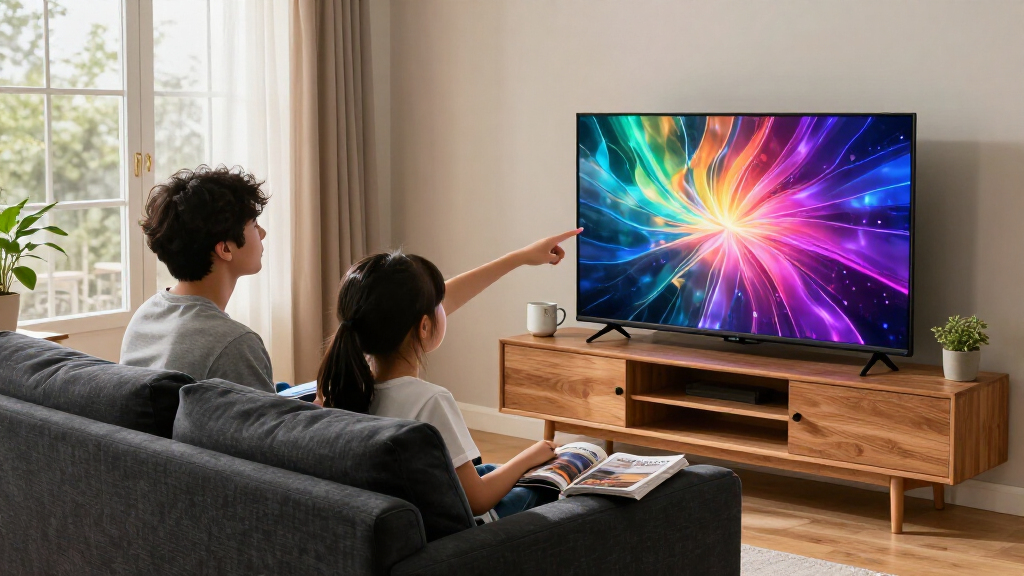
I organized these TVs around the decisions buyers are most likely to face: picture and processing capabilities, screen size, gaming support, smart TV usability, and series position. I gave extra weight to models that appear to balance those needs without being narrowly suited to one room or use. Screen size earns its own place in the comparison because a 48-inch TV can be a better fit for a bedroom or desk setup than a premium 77-inch model, even when both use OLED technology.
The ranking favors well-rounded choices first, then highlights options for specific priorities such as a large screen, a compact room, a particular smart platform, or a more accessible series. Where a product family appears in several sizes, I treat those versions as distinct fit choices rather than assuming the largest is automatically best. The lineup includes different model years, so I also call out the need to check exact specifications and availability; names alone do not establish that two sets have identical features.
Factors to Consider When Choosing Best OLED TVs
Before choosing from the list, I would match the TV to the room and the way it will be used. OLED is a panel type, not a guarantee that every model is interchangeable: processing, brightness behavior, smart software, and connections can differ. These factors help narrow the shortlist beyond brand preference.
Choose Screen Size Around Viewing Distance
A bigger screen can make films and games feel more absorbing, but it is not automatically the better choice for every room. Measure the wall or stand, check seating distance, and leave room for speakers or other equipment before settling on 65 or 77 inches. A 48-inch model can be a practical fit for a bedroom, smaller living room, or desk area, while a 77-inch set needs both physical space and a viewing position that lets you take in the whole image comfortably. Buyers often focus on the diagonal measurement and overlook width, stand depth, and cable access. If the TV will replace a smaller set, compare its full dimensions with the furniture rather than relying on the screen size alone.
Match the TV to Your Room’s Light
OLED’s pixel-level light control gives dark scenes strong contrast, which can be especially appealing for evening viewing. In a bright room, however, windows, lamps, and reflections can affect how clearly you see the image, so room lighting and screen placement deserve attention alongside panel type. Do not assume that a higher series name or a newer model year guarantees the best fit for a sunlit space; check independent measurements and the exact model’s screen finish and brightness behavior. Curtains, adjustable lighting, and avoiding a window directly opposite the screen can improve viewing without changing TVs. If you mainly watch during the day, make room conditions part of the shortlist decision.
Check Gaming Features and HDMI Needs
For console and PC gaming, compare the number of high-bandwidth HDMI inputs, supported refresh rates, and variable refresh rate support on the exact model. A TV may advertise a high refresh rate yet still leave you short of suitable ports once you connect a console, gaming PC, and soundbar. Check whether the features you need work together at your preferred resolution rather than treating each specification as a standalone promise. Players who use one console may have very different needs from households with several devices. The S90H and Roku Pro Series entries are listed with gaming-oriented specifications, but buyers should verify port counts and supported modes for the specific size and model year.
Compare HDR Formats and Your Streaming Sources
HDR format support can affect how content is presented, but its value depends on what you watch and where you stream it. Check which formats your preferred services and physical media use, then compare those with the TV’s listed support; the LG 77-inch C6 listing, for example, explicitly names Dolby Vision and Atmos. A format label alone does not tell you how the set handles every scene, so processing and room brightness still matter. Also check whether your streaming box or receiver supports the same formats, since the full playback chain can affect what reaches the screen. Avoid paying for a feature you rarely use, but do not overlook format compatibility if it is central to your movie collection.
Pick a Smart TV Platform You’ll Enjoy Using
The built-in interface affects everyday use: finding an app, switching inputs, controlling connected devices, and using voice features can all depend on the platform. Sony’s listed models use Google TV, Roku offers its own interface, and LG and Samsung use their respective smart TV systems. If you already rely on a streaming device, platform differences may matter less, though the TV’s home screen and remote still shape routine use. Check that your essential apps are available and that voice or smart-home features work with your preferred services. Buyers who want a simple setup may value a familiar interface more than extra features they will rarely open.
Weigh Model Year, Warranty, and Care
This lineup spans 2025 and 2026 models, so compare exact model numbers rather than assuming a newer year changes every feature. Retail listings can use shortened series names, and specifications may vary by size or regional version. Before buying, confirm the warranty terms, return window, included stand, and whether the set’s ports and remote match your needs. OLED owners should follow the maker’s guidance for screen care and built-in panel maintenance, and use sensible habits such as avoiding prolonged display of static images at high brightness. These checks can matter more to long-term satisfaction than a small difference in a headline feature.
Frequently Asked Questions
Should I choose the 65-inch or 77-inch version of an OLED TV?
Start with viewing distance, available wall or stand width, and the kind of content you watch. A 77-inch screen can add impact in a spacious living room, but it may feel overwhelming at close range or dominate a small space. The 65-inch options in this roundup, including the LG C6 and Samsung S90H, suit buyers who want a substantial screen without committing to the largest format. Measure the full TV dimensions, not only the diagonal, and account for any soundbar. If you are between sizes, compare the return policy and try to judge the viewing distance in person where possible.
Is a 2025 OLED still worth choosing over a 2026 model?
It can be, if the older model has the features you need and its exact specifications suit your setup. This roundup includes the LG C5 and Samsung S85F and S84F from 2025 alongside 2026 models, but model year alone does not reveal the differences that matter to you. Compare refresh-rate support, HDMI connections, HDR formats, smart features, and warranty details by full model number. Do not assume every size within a series shares identical specifications. A 2025 set can make sense when it meets your needs; a newer label by itself is not a reason to choose one.
Which OLED TV should I choose for a room with lots of daylight?
Compare how each exact model handles reflections and bright scenes, and assess the room itself before making a choice. Direct sunlight on the screen can make viewing difficult regardless of the TV, so repositioning the set or adding window coverings may help. Look for independent brightness and reflection measurements for the specific size, since series names do not tell the whole story. If you watch mainly during the day, prioritize those results and your room layout over dark-room contrast alone. A store demonstration can help, but its lighting may differ greatly from your home.
Do I need a separate streaming device with these TVs?
Not necessarily: the Sony, Samsung, LG, and Roku models in this roundup include smart TV platforms, so many buyers can stream directly from the television. A separate device may still be useful if you prefer its interface, need an app the TV does not support, or want to keep apps consistent across screens. Check app availability and update support for the TV’s exact platform before buying. Also think about how many HDMI ports will remain once you connect consoles and audio equipment. If your current streaming device already meets your needs, it can reduce the importance of platform differences between brands.
Which features should I prioritize for a gaming setup?
Begin with the capabilities your console or PC can use: supported refresh rates, variable refresh rate, low-latency gaming modes, and compatible HDMI inputs. Count the devices you plan to connect, including a receiver or soundbar, because port availability can become a practical limit. The Samsung S90H and Roku Pro Series listings call out gaming-relevant specifications, but verify the exact size and model year before relying on a feature. If you mainly play single-player games, image quality and screen size may matter more than maximizing refresh rate. For competitive play, input response and the ability to run your preferred resolution and refresh rate together deserve more weight.
Conclusion
For most buyers, I would start with the LG 65-inch OLED evo C6 as the best overall balance of size and series features. If you want a large-screen centerpiece, the Sony 77-inch BRAVIA XR8B is my premium-leaning pick, while the Samsung 65-inch S90H is a strong alternative for shoppers focused on gaming features. For a more accessible route into OLED, compare the LG B6 and the 2025 Samsung S85F or S84F against your required features and exact model specifications. Smaller-room buyers should look at the 48-inch LG C6 or Sony BRAVIA 6; Roku fans can narrow their choice to the 55- or 65-inch Pro Series. Match the model to your room, devices, and preferred interface before choosing a screen size.
Halloween Picks
halloween
As an affiliate, we earn on qualifying purchases.