
TL;DR
Play games included with Prime
Start a Prime free trial and play with Amazon Luna on your devices.
Start playingAs an affiliate, we earn on qualifying purchases.
A rare celestial event will allow sky-gazers to observe two meteor showers peaking within days of each other this week. The double peak offers a unique viewing opportunity, with details confirmed by astronomers. Uncertainty remains about the exact intensity and visibility conditions for all viewers.
Sky-watchers around the world can expect a rare double meteor shower peak this week, with two separate showers reaching their maximum activity within a few days of each other. This event offers a unique opportunity for observers to witness two meteor showers in one night, confirmed by astronomers from reputable observatories. The phenomenon is significant for both amateur and professional astronomers, as such double peaks are uncommon.
The first peak is associated with the Delta Aquarids, expected to reach their maximum between July 28 and 29. The second peak involves the Alpha Capricornids, anticipated to peak around July 30 or 31. According to the American Meteor Society, these showers will occur in rapid succession, providing a rare chance for sky-watchers to observe a higher-than-normal number of meteors.
Experts from NASA and other astronomical agencies have confirmed that the timing of these peaks overlaps in such a way that observers could see enhanced meteor activity over several nights. The exact visibility depends on local conditions, including weather and light pollution, but the peaks are expected to be visible across both hemispheres.
Why This Double Meteor Shower Matters for Sky Enthusiasts
This event is notable because double meteor shower peaks are infrequent, providing a rare spectacle for sky-watchers. It offers an excellent opportunity for public engagement with astronomy and can inspire interest in celestial phenomena. Additionally, observing multiple meteor showers within a short period can provide valuable data for scientists studying meteoroid streams and their origins.
As an affiliate, we earn on qualifying purchases.
Background on the July Meteor Showers and Past Double Peaks
The Delta Aquarids and Alpha Capricornids are annual meteor showers, typically peaking separately. However, due to the orbital paths of their meteoroid streams, their peaks sometimes occur close together. Historically, such double peaks are rare but have been observed before, with notable instances in the past decade. This week’s event is expected to be one of the most pronounced in recent years, according to astronomers.
Scientists track these showers using radar and optical observations, and their activity is linked to debris from comets and asteroids that intersect Earth’s orbit. The current alignment of Earth’s orbit with these streams creates the opportunity for this rare double peak.
Uncertainties in Visibility and Meteor Activity Levels
While the timing of the peaks is confirmed, the intensity and visibility of the meteor activity depend heavily on local weather conditions, moonlight, and light pollution. Some regions may experience clearer views than others, and the actual number of meteors observed could vary. Additionally, the exact timing of the peaks may differ slightly based on geographic location.
Scientists also note that meteor activity can fluctuate unpredictably, and the double peak does not guarantee a higher-than-normal meteor count for all viewers.
Upcoming Opportunities to Observe the Double Meteor Shower
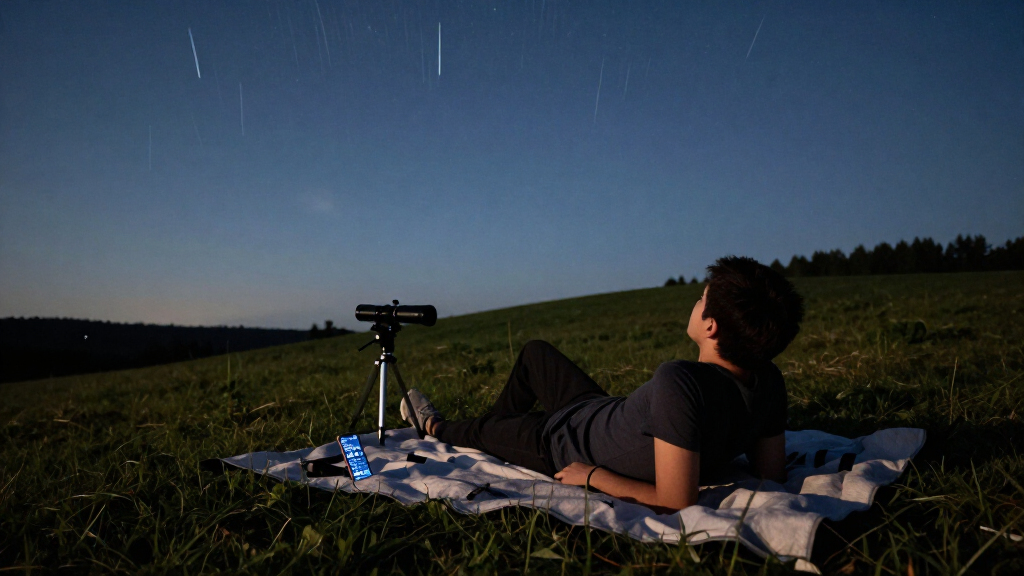
Observers are encouraged to check local weather forecasts and find dark sky locations during the predicted peak nights, approximately July 28-31. Astronomers recommend viewing during the late evening hours, after sunset, when the sky is darkest. Public astronomy events and live streams may also be available in some regions, providing additional viewing options.
Scientists will continue to monitor the activity levels and provide updates if the event exceeds expectations or if weather conditions change.
Key Questions
When will the double meteor shower peaks occur?
The peaks are expected between July 28 and 31, with the Delta Aquarids peaking around July 28-29 and the Alpha Capricornids around July 30-31.
Where is the best place to view these meteor showers?
Dark sky locations away from light pollution, ideally with a clear, unobstructed view of the sky, will provide the best viewing experience. Check local weather forecasts for clear nights.
Will the moon affect the visibility of the meteor showers?
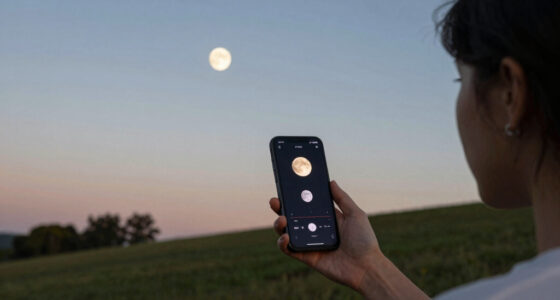
Yes, moonlight can diminish the visibility of meteors. Observers are advised to watch during new moon or when the moon is below the horizon for optimal viewing.
How many meteors can I expect to see?
The number of meteors varies based on conditions, but during peak activity, observers could see dozens of meteors per hour under ideal conditions.
Is this event safe to observe with the naked eye?
Yes, meteor showers are safe to watch without any special equipment. Just find a dark spot, look up, and enjoy the display.
Source: google-trends
Fall Picks
fall essentials
As an affiliate, we earn on qualifying purchases.