
TL;DR
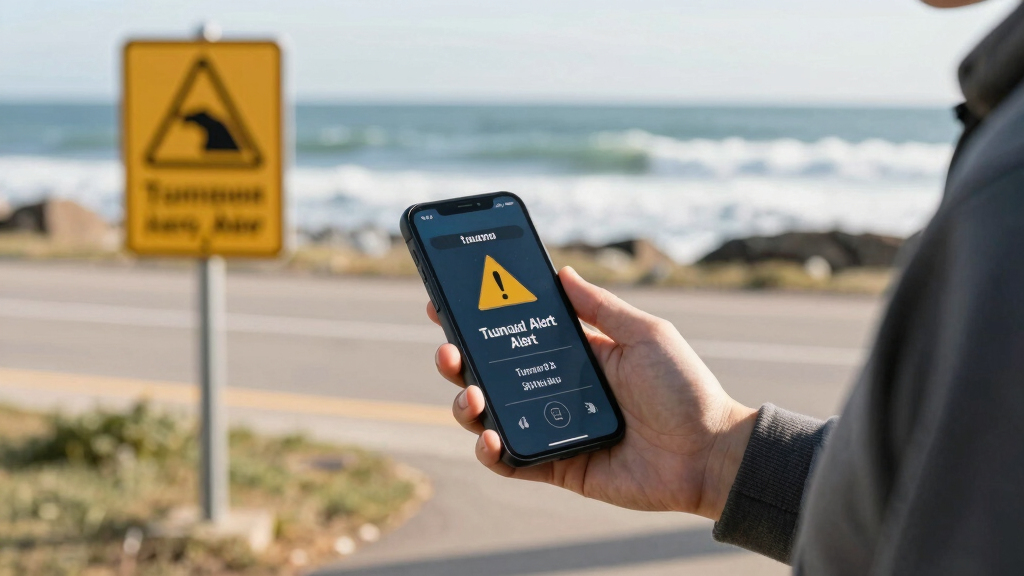
A 7.1-magnitude earthquake struck Venezuela, prompting tsunami alerts along the coast. Authorities are assessing the situation, and the risk of a tsunami remains under review.
A 7.1-magnitude earthquake struck western Venezuela today, prompting tsunami alerts along the Caribbean coast. Authorities issued warnings to coastal communities, with officials emphasizing that assessments are ongoing to determine the potential for a tsunami. The earthquake’s impact has caused concern among residents and emergency services, highlighting the need for preparedness in the region.
The earthquake occurred at approximately 2:30 p.m. local time, with its epicenter reported near the border region between Venezuela and Colombia, according to the Venezuelan Geological Service. No confirmed reports of casualties or widespread damage have been released yet, but several areas have experienced power outages and structural damage, particularly in coastal towns.
The Pacific Tsunami Warning Center issued tsunami advisories for Venezuela’s coastal areas, urging residents to evacuate low-lying zones and stay away from beaches. Officials from the Venezuelan government confirmed that emergency services are monitoring the situation closely and are prepared to respond if a tsunami materializes. The U.S. Geological Survey (USGS) reported the quake’s depth at approximately 10 kilometers, indicating a potentially significant surface impact.
Why the Venezuela Earthquake and Tsunami Alerts Matter
This event underscores the vulnerability of Venezuela’s coastal regions to seismic activity, which poses risks to communities, infrastructure, and local economies. The issuance of tsunami alerts highlights the importance of preparedness and rapid response systems in the Caribbean, an area prone to earthquakes and tsunamis. The situation remains fluid, and the potential for a tsunami could have serious consequences if the threat materializes, making ongoing monitoring critical for public safety.
How to Survive a Tsunami: A Life-Saving Survival Guide to Tsunami Warning Signs, Evacuation, and Disaster Preparedness
As an affiliate, we earn on qualifying purchases.
As an affiliate, we earn on qualifying purchases.
Venezuela’s Seismic and Tsunami Risk Profile
Venezuela is situated along the Caribbean seismic belt, an area with a history of earthquakes and tsunamis. The most recent significant quake before today’s event was a 6.8 magnitude in 2018, which caused localized damage but no major tsunami. The region’s geological activity is driven by the complex interactions of the South American and Caribbean tectonic plates. Authorities have periodically issued alerts for tsunamis following seismic events, but large-scale tsunamis remain relatively rare in the area.
“The earthquake’s epicenter was near the border with Colombia, and assessments are ongoing to evaluate potential tsunami risks.”
— Venezuelan Geological Service
Unconfirmed Risks and Ongoing Assessments in Venezuela
It is not yet confirmed whether a tsunami will develop or impact the coast. Authorities are still evaluating the seismic data and monitoring sea levels for signs of a tsunami. The extent of damage and casualties from the earthquake itself remains unclear, as reports are still emerging from affected areas.
Next Steps in Monitoring and Response Efforts
Emergency agencies will continue to monitor seismic activity, sea levels, and weather conditions. Authorities are expected to update the public regularly and provide guidance on safety measures. A detailed assessment of damage and potential tsunami impacts will be conducted over the coming hours, with officials prepared to activate evacuation procedures if necessary.
Key Questions
Has a tsunami actually occurred following the earthquake?
As of now, no confirmed tsunami has been reported. Authorities are still assessing the risk and monitoring sea levels for signs of a tsunami.
Are there reports of damage or casualties?
Initial reports indicate some structural damage and power outages in coastal towns, but no confirmed casualties have been reported yet.
How long will the assessments and warnings last?
Assessments are ongoing, and authorities will update the public as new information becomes available. The situation remains fluid.
What should residents in coastal areas do now?
Residents are advised to stay alert, follow official safety instructions, and be prepared to evacuate if a tsunami warning is confirmed.
Source: google-trends