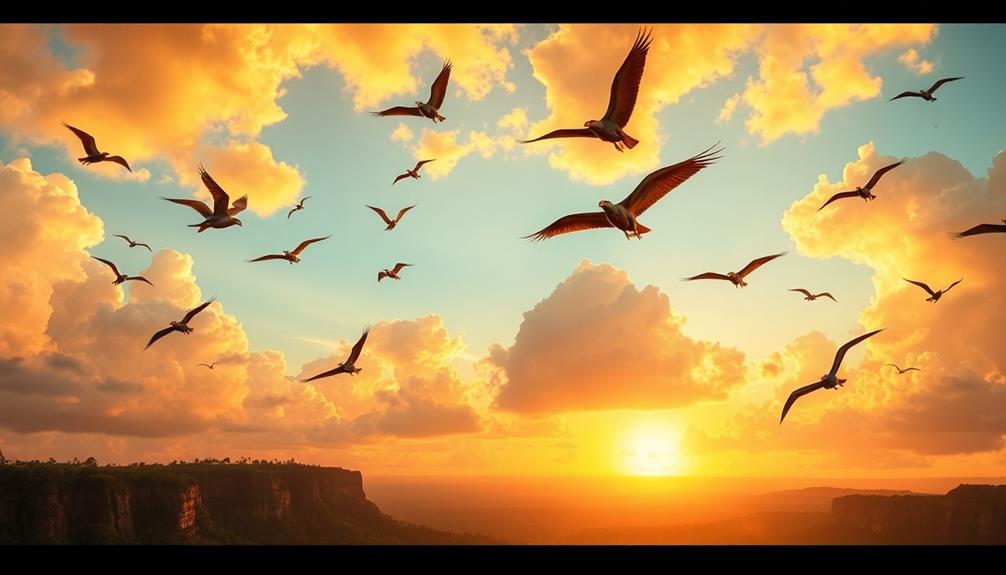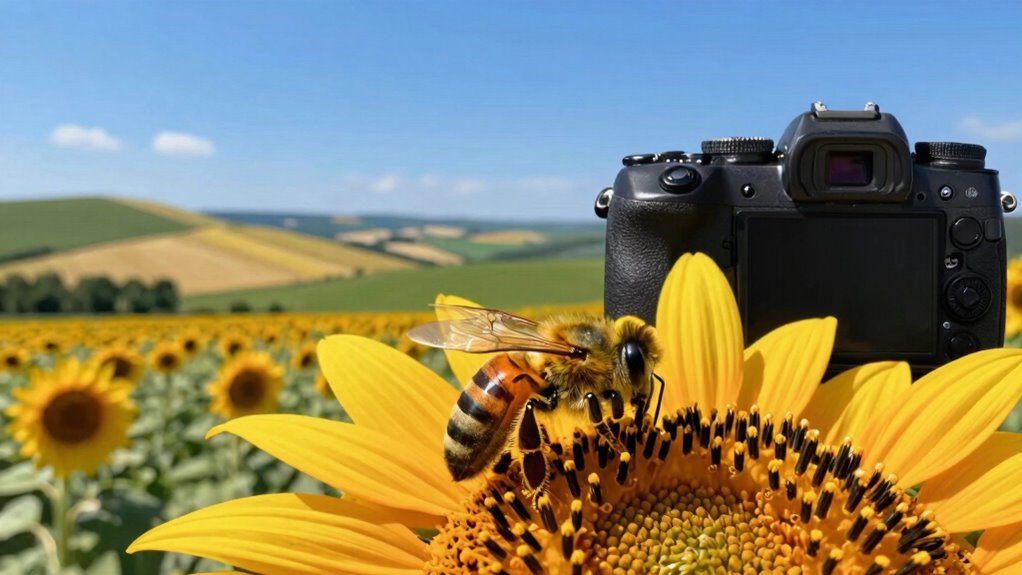
For new photographers, understanding lens types helps you choose the right gear for different scenes. Wide-angle lenses are great for landscapes, while portrait lenses with wide apertures create beautiful background blur. Telephoto lenses suit wildlife or sports shots, bringing distant subjects closer. Prime lenses are sharp and perform well in low light, whereas kit zooms are versatile for various situations. Knowing what each lens does sparks your creativity—keep exploring to discover more about how lenses shape your images.
Listen free for 30 days with Audible
Thousands of audiobooks and originals — cancel anytime.
As an affiliate, we earn on qualifying purchases.
Key Takeaways
- Different lens types are designed for specific photography genres, such as wide-angle for landscapes and telephoto for wildlife.
- Prime lenses have fixed focal lengths, offering sharper images and better low-light performance than zooms.
- Understanding lens characteristics helps new photographers choose gear that matches their creative goals and skill level.
- Compatibility with camera sensors and system is crucial to ensure optimal performance and image quality.
- Exploring various lens types broadens creative possibilities and helps develop a versatile photography skill set.

Getting started in photography means choosing the right lenses to match your creative goals. The lens you select can considerably influence the quality and style of your images, so understanding what different types of lenses do is key. As a new photographer, you’ll want to contemplate camera sensor compatibility because not all lenses fit every camera. For instance, a lens designed for a full-frame sensor might not work properly with an APS-C or Micro Four Thirds sensor without an adapter, and even then, you might encounter limitations. Knowing your camera’s sensor type helps you pick lenses that will perform well and avoid wasting money on incompatible gear.
Your photography genre preferences also play a big role in lens selection. If you’re into landscape photography, wide-angle lenses are essential because they capture expansive scenes and provide a sense of depth. On the other hand, if portraiture excites you most, a prime lens with a wide aperture, like an 85mm f/1.8, allows you to achieve beautiful background blur and sharp subject focus. For wildlife or sports photography, telephoto lenses are invaluable—they let you zoom in on distant subjects without disturbing them. Each lens type serves a different purpose, and understanding these distinctions helps you invest wisely based on what you want to create.
Choosing the right lens depends on your genre—landscapes, portraits, wildlife—and helps you capture your unique creative vision.
Different lenses also influence your workflow and how you approach photography. A kit zoom lens, such as a 24-70mm, offers versatility, allowing you to shoot a variety of scenes without changing lenses often, which is especially helpful when you’re still exploring your style. Prime lenses, with their fixed focal lengths, tend to be sharper and better in low light, encouraging you to think more carefully about composition and framing. Knowing the characteristics of each lens type helps you develop your skills and adapt to different shooting environments. Additionally, understanding sensor compatibility is crucial because it ensures your gear will work seamlessly with your camera system. Moreover, exploring diverse genres can help you identify which lenses best suit your evolving interests and creative pursuits. Being aware of environmental impact and choosing eco-friendly equipment can also align your photography practices with sustainable principles.
Understanding refrigerants and their environmental impacts is also important as you select equipment that is eco-friendly, contributing to sustainable practices in photography and beyond. Ultimately, what lens types mean for you as a new photographer is about building your toolkit to match your evolving interests. Whether you’re capturing sweeping landscapes, intimate portraits, or fast-moving action, the right lens will help you express your vision more effectively. Keep in mind that camera sensor compatibility and your photography genre preferences are the main factors guiding your choices. As you grow more confident, you’ll find that experimenting with different lenses broadens your creative horizons and deepens your understanding of photography’s technical nuances. The right lens isn’t just a piece of equipment—it’s an extension of your artistic voice.
wide angle landscape lens for DSLR
As an affiliate, we earn on qualifying purchases.
As an affiliate, we earn on qualifying purchases.
Frequently Asked Questions
Can I Use a Zoom Lens for All Photography Styles?
Yes, you can use a zoom lens for all photography styles because of its lens versatility and focal length flexibility. A zoom lens allows you to quickly change focal lengths, making it suitable for landscapes, portraits, or street photography without switching lenses. However, keep in mind that prime lenses often provide better image quality and lower apertures. But overall, a good zoom lens is a versatile choice for many situations.
What’s the Best Lens for Beginner Landscape Photography?
For beginner landscape photography, a wide-angle lens is your best choice, capturing expansive scenes vividly. Keep in mind camera sensor differences that affect image quality, especially in low light. Remember lens maintenance tips, like cleaning the glass regularly and storing it properly, to keep your lens in top shape. This combination helps you take sharp, stunning landscape shots, making your photography journey more enjoyable and successful.
Are Prime Lenses Better Than Zoom Lenses?
Prime lenses are often better for image quality, but zoom lenses offer greater focal length flexibility and versatility. You choose prime lenses for sharpness and low-light performance, while zooms are perfect when you want to adapt quickly to different scenes. Consider lens compatibility with your camera and your shooting style. Ultimately, both have their place; your choice depends on whether you prioritize clarity or convenience in your photography.
How Does Aperture Affect Photo Quality?
Aperture considerably impacts your photo quality by controlling depth of field and light. A wider aperture (smaller f-number) creates a shallow depth of field, blurring backgrounds and highlighting your subject, while a narrower aperture (larger f-number) offers more focus across the scene. Aperture blades shape the bokeh, or background blur, influencing its smoothness. So, your choice of aperture affects both sharpness and artistic effect in your photos.
Do I Need Different Lenses for Portraits Versus Wildlife?
You’ll want different lenses for portraits and wildlife because lens compatibility and focal length versatility matter. Portrait lenses usually have a shorter focal length, like 50mm or 85mm, delivering flattering images with pleasing background blur. Wildlife photography benefits from longer focal lengths, such as 300mm or more, to capture distant subjects without disturbing them. Investing in versatile lenses or multiple options guarantees you’re prepared for both scenarios, improving your overall photography skills.
Conclusion
As you explore different lens types, you realize each one opens a new world of creative possibilities—yet, the true challenge lies in knowing which lens will release your unique vision. Will your next shot reveal a stunning landscape or a fascinating portrait? The journey’s only just beginning, and every choice you make with your lens shapes your story. Stay curious, because the most exciting moments are still ahead, waiting to be captured through your lens.
NFL season / tailgating Picks
team gear
As an affiliate, we earn on qualifying purchases.